
Flashback to September 21
World History

2001
Near the coast of Peru, a magnitude 7.6 earthquake occurs. Few deaths and injuries, but hundreds of buildings that had been weakened by the previous earthquakes were destroyed.
Read moreOn July 7, 2001, a powerful magnitude 7.6 earthquake struck near the coast of Peru, causing significant damage to the region. While the earthquake resulted in few deaths and injuries, hundreds of buildings that had already been weakened by previous seismic activities were destroyed.
The earthquake, with its epicenter located off the coast of Peru, shook the region and sent shockwaves across the land. The initial tremor was followed by a series of aftershocks, adding to the devastation already caused by the primary earthquake. The affected areas experienced widespread destruction, particularly in the form of collapsed buildings.
One of the main factors contributing to the extent of the destruction was the pre-existing vulnerability of the buildings. Peru is located in an active seismic zone and has experienced multiple earthquakes throughout its history. Many of the structures in the affected region had already been weakened by previous seismic events, making them more susceptible to damage. The combination of the powerful earthquake and the compromised infrastructure resulted in the collapse of numerous buildings.
The magnitude 7.6 earthquake led to serious consequences, such as displacement and loss of homes for many residents. The destruction of buildings not only affected the immediate safety of individuals but also disrupted the functioning of essential services. This included the disruption of electricity, water supply, and transportation systems, further exacerbating the challenges faced by the affected communities.
Efforts to respond to the disaster were swift and multi-faceted. The Peruvian government, in collaboration with international organizations, immediately launched rescue and relief operations. Emergency responders were deployed to the affected areas to provide medical assistance, search for survivors, and offer support to those affected by the earthquake.
Furthermore, temporary shelters were set up to accommodate the displaced individuals, providing them with a safe place to stay while the recovery and reconstruction efforts were underway. These temporary shelters also offered necessary resources such as food, clean water, and medical supplies to the affected population.
In the aftermath of the earthquake, the focus shifted towards long-term recovery and rebuilding efforts. The Peruvian government conducted damage assessments to determine the extent of the devastation and develop plans for reconstruction. This included strengthening building codes and regulations to ensure that future structures would be more resilient against seismic activities.
In addition, international support and aid were crucial in enabling Peru to recover from the disaster. Financial assistance from various countries and organizations helped in funding the reconstruction projects and improving infrastructure resilience. Collaboration between local communities, government agencies, and international partners played a vital role in facilitating the recovery process.
Lessons learned from the 2001 earthquake have helped shape Peru’s approach to disaster preparedness and response in subsequent years. The country has implemented measures to strengthen its infrastructure and improve emergency response capabilities. This includes the establishment of early warning systems, public awareness campaigns, and ongoing monitoring of seismic activities to mitigate the impact of future earthquakes.
While the 7.6 magnitude earthquake near the coast of Peru in 2001 resulted in the loss of several buildings, it also prompted significant efforts towards building resilience and reducing vulnerability to seismic events. Through comprehensive planning, collaboration, and ongoing preparedness, Peru continues to work towards minimizing the impact of such disasters and ensuring the safety and well-being of its population.
We strive for accuracy. If you see something that doesn't look right, click here to contact us!
 Contact Us
Sponsored Content
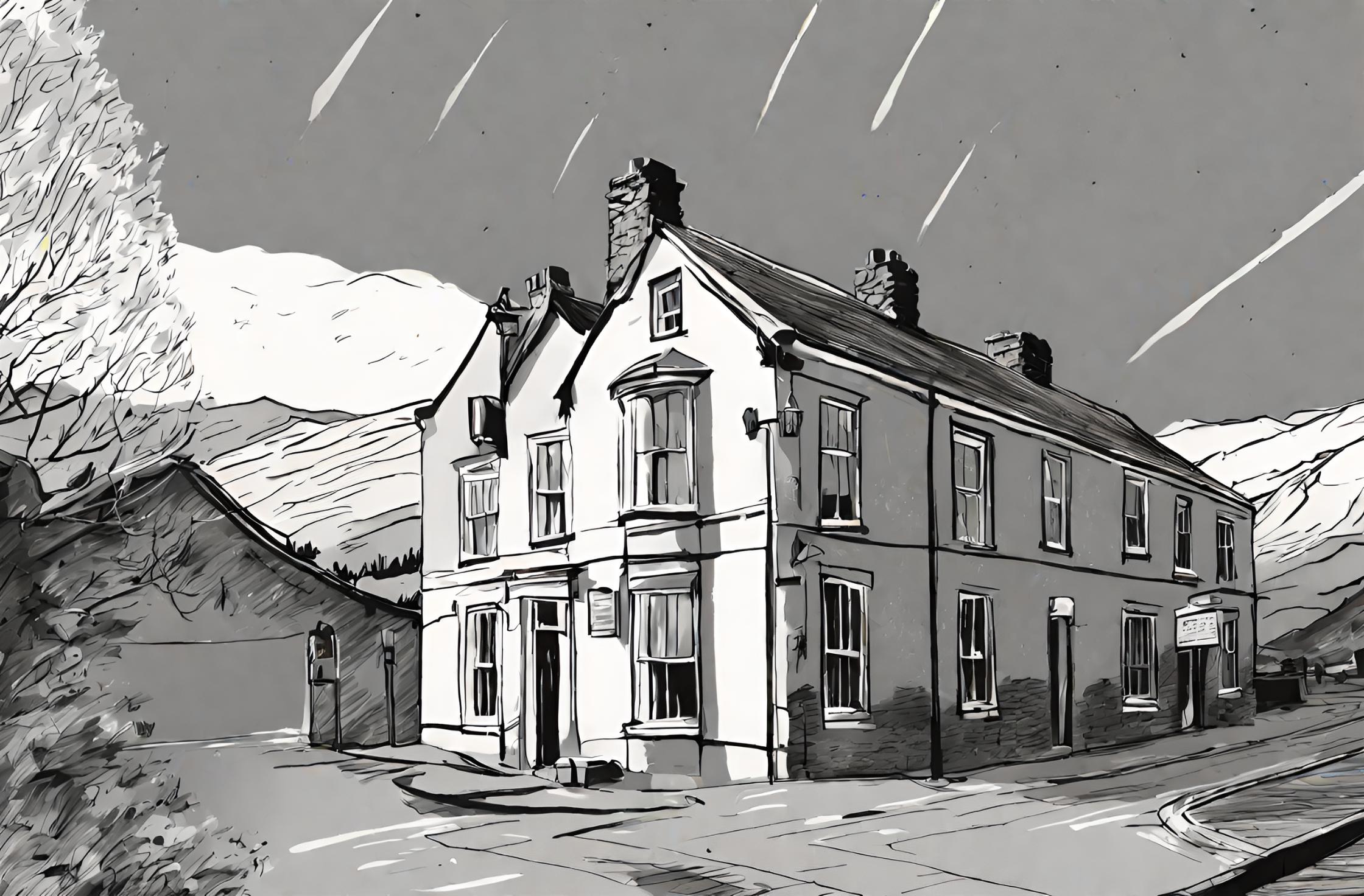
In Beddgelert, Wales, a…
On September 21, 1949,…
Nearly 13,000 children in…
On September 21, 2008,…
McAfee.com and F-Secure researchers…
On September 21, 2000,…
President Warren G Harding…
On September 21, 1922,…
Deep Space 1 flies…
"At the groundbreaking event…
Belize is granted full…
On September 21, 1981,…
