
Flashback to April 7
American History

On April 28, 1983, a momentous event took place in the realm of space exploration – NASA successfully launched the GOES-F satellite. This launch marked a significant milestone in the history of weather forecasting and satellite communication. In this article, we will delve into the details of this remarkable achievement and its implications.
The Geostationary Operational Environmental Satellite, known as GOES, is a series of satellites that have revolutionized weather forecasting. These satellites provide continuous monitoring and imaging of Earth’s weather systems, helping meteorologists gather real-time data essential for accurate weather predictions. The GOES-F launch was part of the larger effort by NASA to explore the potential of satellites in enhancing weather forecasting capabilities.
The launch took place at Cape Canaveral, Florida, a renowned location for space launches. It was a culmination of years of planning, design, and engineering, involving a team of dedicated scientists and engineers. The GOES-F satellite was carried into space by an Atlas-Centaur rocket, a reliable and powerful vehicle capable of handling the weight and complexity of the satellite. The successful launch demonstrated the expertise and capabilities of NASA in executing such missions.
One of the key features of the GOES-F satellite was its geostationary orbit. Positioned approximately 22,000 miles above the Earth’s equator, the satellite remained fixed relative to the planet’s surface, allowing continuous monitoring of a particular area. This ability to provide uninterrupted data for meteorologists was crucial in improving the accuracy of weather forecasts, especially for severe weather events like hurricanes and storms.
The GOES-F satellite was equipped with advanced instruments and sensors designed to capture and transmit valuable data about Earth’s atmosphere, cloud formations, and weather patterns. These instruments included a multispectral imager, which provided high-resolution images of the Earth’s surface, and a sounder, which measured temperature and moisture profiles in the atmosphere. These instruments enabled scientists to gather precise data, leading to better understanding and prediction of weather phenomena.
Furthermore, the GOES-F satellite played a vital role in enhancing satellite communication. It had the capability to relay signals from ground-based weather stations to remote locations, facilitating faster and more efficient dissemination of weather information. This improvement in communication enabled emergency management agencies, aviation authorities, and everyday individuals to receive crucial weather updates in real-time, thereby enhancing safety and preparedness.
The successful launch of the GOES-F satellite was a significant achievement not only for NASA but also for the field of meteorology. Weather forecasting became more accurate and timely, thanks to the continuous data provided by the geostationary satellite. This advancement had far-reaching impacts, not only on the daily lives of individuals but also on various industries, including transportation, agriculture, and energy.
In the years that followed, subsequent generations of GOES satellites were launched, each incorporating technological advancements to further enhance weather forecasting capabilities. The GOES series became invaluable tools in monitoring severe weather events, tracking hurricanes and storms, and providing critical data for climate studies.
the NASA launch of the GOES-F satellite on April 28, 1983, marked a remarkable achievement in the field of weather forecasting and satellite communication. This launch paved the way for a new era of accurate and timely weather predictions, benefiting not only scientists but also the general public. The GOES-F satellite’s capabilities and its subsequent successors have played a pivotal role in monitoring Earth’s weather systems and mitigating the impact of severe weather events.
We strive for accuracy. If you see something that doesn't look right, click here to contact us!
 Contact Us
Sponsored Content
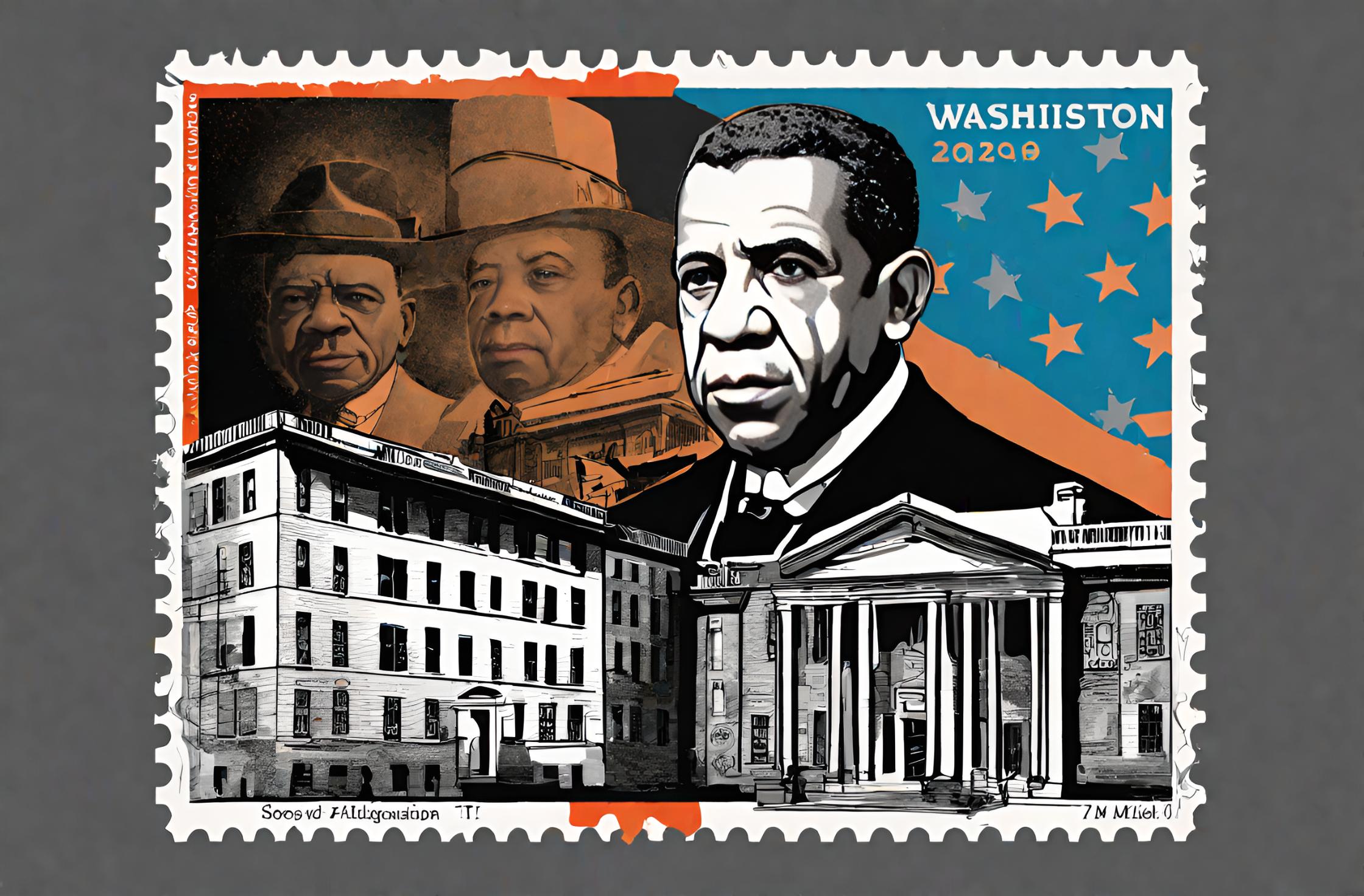
Booker T. Washington becomes…
On April 7, 1940,…
First parcel of land…
On April 7, 1919,…
Oklahoma ends alcohol prohibition,…
On April 7, 1959,…
Battle of Farmville, Virginia.
Discover the iconic Battle…
IBM introduces the IBM…
On April 7, 1964,…
Pepco’s Chalk Point Generating…
On April 7, 2000,…
