Flashback to November 24
American History
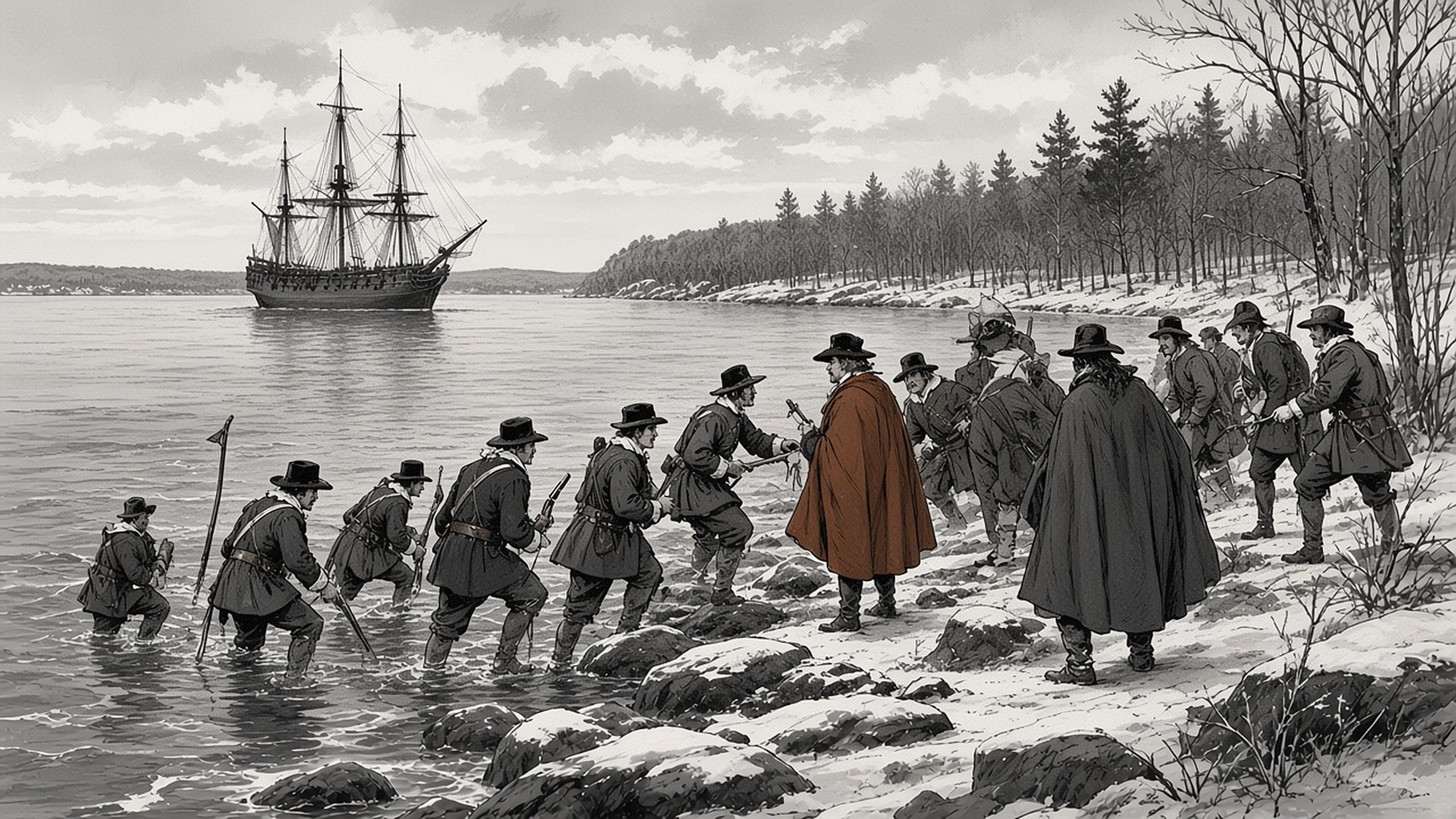
On December 21, 1620, a small party of English settlers from the Mayflower landed at Plymouth harbor in what is now Massachusetts. England was still using the Julian calendar, so the settlers recorded the date as December 11. They liked what they found, and the site became the home of Plymouth Colony, one of the first permanent English settlements in New England.
The Mayflower had left Plymouth, England, in September 1620 with about 102 passengers. Many of them were Separatists, Puritans who had broken away from the Church of England and lived for a time in Leiden in the Netherlands. They are now remembered as the Pilgrims. The rest were other settlers recruited by the merchants who financed the voyage.
The ship was supposed to reach the mouth of the Hudson River, in the northern part of the Virginia Company’s territory. Storms and dangerous shoals forced it to anchor instead at the tip of Cape Cod in November. Because they were outside the area covered by their patent, the men aboard signed the Mayflower Compact, agreeing to form a government and obey its laws.
For several weeks small groups explored Cape Cod in search of a place to settle. In early December a party of about eighteen men, including Myles Standish, William Bradford and Edward Winslow, set out in the ship’s shallop. They were caught in a storm, broke their mast and took shelter on an island in a bay that the explorer John Smith had already named Plymouth on his map.
On Monday, December 11 by their calendar, they sounded the harbor and went ashore on the mainland. They found cleared fields, running brooks and a hill that could be fortified. They returned to the Mayflower with the news, and the ship anchored at Plymouth a few days later. Work on the first houses began late in December. The settlers laid out a single street running up from the shore to the hill, where they later mounted cannon to defend the settlement.
The first winter was terrible. Cold, poor shelter and disease killed about half of the colonists by the spring. The survivors were helped by Samoset and Squanto and made a treaty with the Wampanoag leader Massasoit. In the autumn of 1621 they held the harvest feast later remembered as the first Thanksgiving.
The story that the Pilgrims stepped first onto Plymouth Rock comes from a tradition recorded more than a century later, in 1741. Contemporary accounts do not mention the rock. Since 1769 the people of Plymouth have marked the landing as Forefathers’ Day, usually on December 21 or 22.
We strive for accuracy. If you see something that doesn't look right, click here to contact us!
 Contact Us
Sponsored Content
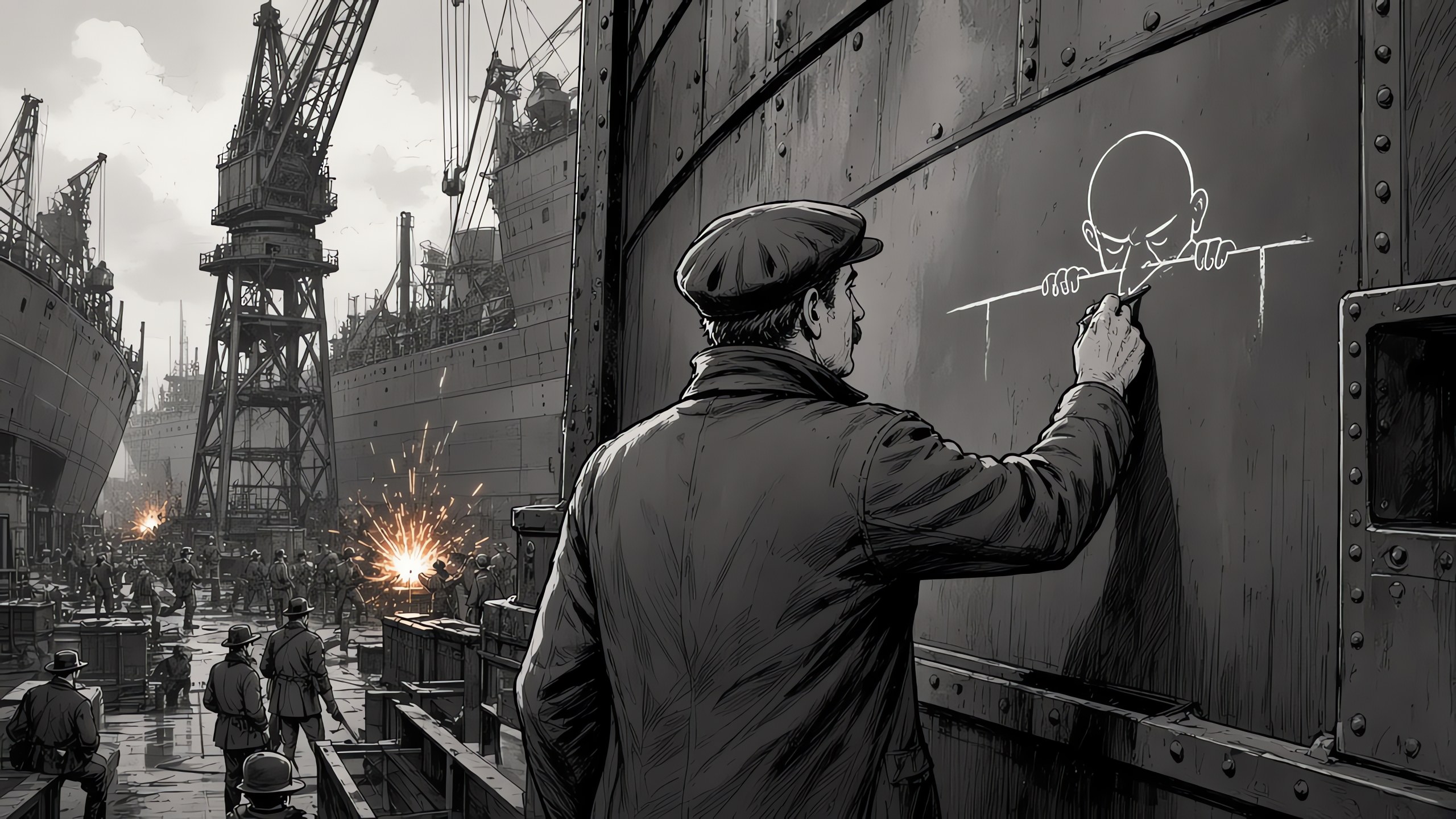
James J Kilroy, tank…
"James J Kilroy, originator…
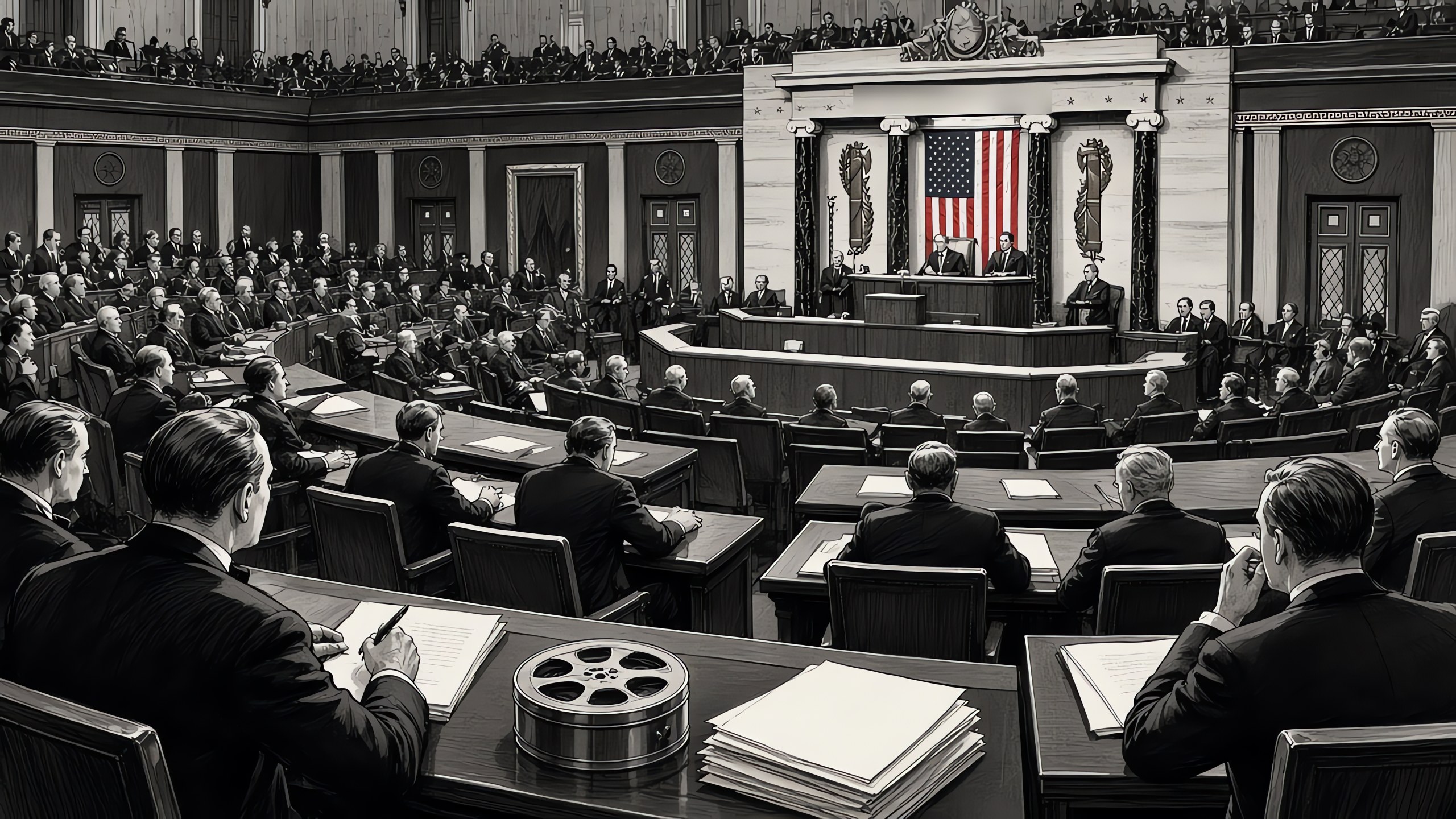
Un-American Activities Committee finds…
On November 24, 1947,…
National Rifle Association organized…
"The National Rifle Association…

Jack Ruby shoots Lee…
On November 24, 1963,…
Hijacker Dan Cooper (AKA…
On November 24, 1971,…