
Flashback to September 21
World History

On July 29, 1565, a momentous event took place in history as Mary Stuart, the widowed Queen of Scots, married Lord Darnley, the Duke of Albany. This union would have significant implications for both the Scottish and English monarchies, ultimately leading to political unrest and tragedy. In this article, we will delve into the details of this eventful day and explore its consequences.
Mary Stuart, born on December 8, 1542, became Queen of Scotland at the tender age of just six days old, following the death of her father, King James V. Her reign was far from stable, as various factions vied for power, leading to Mary’s marriage being seen as a strategic move to secure her place on the throne and establish alliances.
The groom, Lord Darnley, was a descendent of the Scottish and English royal families. Born Henry Stuart, he was the eldest son of Matthew Stuart, 4th Earl of Lennox, and Margaret Douglas, herself a prominent figure in the royal courts. Lord Darnley’s lineage made him an attractive match for Mary, as their union could potentially unite the feuding factions and solidify her claim to the English throne.
The wedding ceremony took place at Holyroodhouse, the royal palace in Edinburgh. The grand affair was attended by the nobility of both Scottish and English courts, as well as foreign ambassadors. The couple exchanged vows in a Catholic ceremony, emphasizing Mary’s adherence to her faith, despite growing tensions between Catholics and Protestants in Scotland.
Mary and Lord Darnley’s marriage promised hope for a stable future, but unfortunately, it was plagued by personal and political issues. Lord Darnley proved to be an unfaithful and ambitious husband, which strained their relationship. Additionally, his claim to the English throne threatened the position of Mary’s cousin, Queen Elizabeth I of England, who saw him as a potential rival.
The marriage between Mary Stuart and Lord Darnley produced a son, James Stuart, who would later become King James VI of Scotland and King James I of England, famously uniting the crowns of the two kingdoms. However, the couple’s joy was short-lived, as Lord Darnley’s life was tragically cut short.
On February 10, 1567, Lord Darnley was murdered in an explosion at Kirk o’ Field in Edinburgh. The circumstances surrounding his death remain shrouded in mystery, but it is widely believed that Mary’s confidante and rumored lover, James Hepburn, the 4th Earl of Bothwell, played a role in the assassination. This pivotal event further fueled tensions between different factions and eventually led to Mary’s downfall.
The marriage between Mary Stuart and Lord Darnley marked a significant turning point in history. It brought together two influential royal families and presented the promise of stability and prosperity. However, personal conflicts, rivalries, and political ambitions tore the couple apart, leading to tragic consequences for both Mary and her kingdom.
the marriage of Mary Stuart, the Queen of Scots, to Lord Darnley, the Duke of Albany, on July 29, 1565, was a highly anticipated event with implications that would reverberate throughout history. Although initially seen as a union of power and alliance, it ultimately descended into tragedy and contributed to the fall of Mary Stuart. The consequences of this marriage continue to shape our understanding of the complex web of relationships in Renaissance Europe.
We strive for accuracy. If you see something that doesn't look right, click here to contact us!
 Contact Us
Sponsored Content
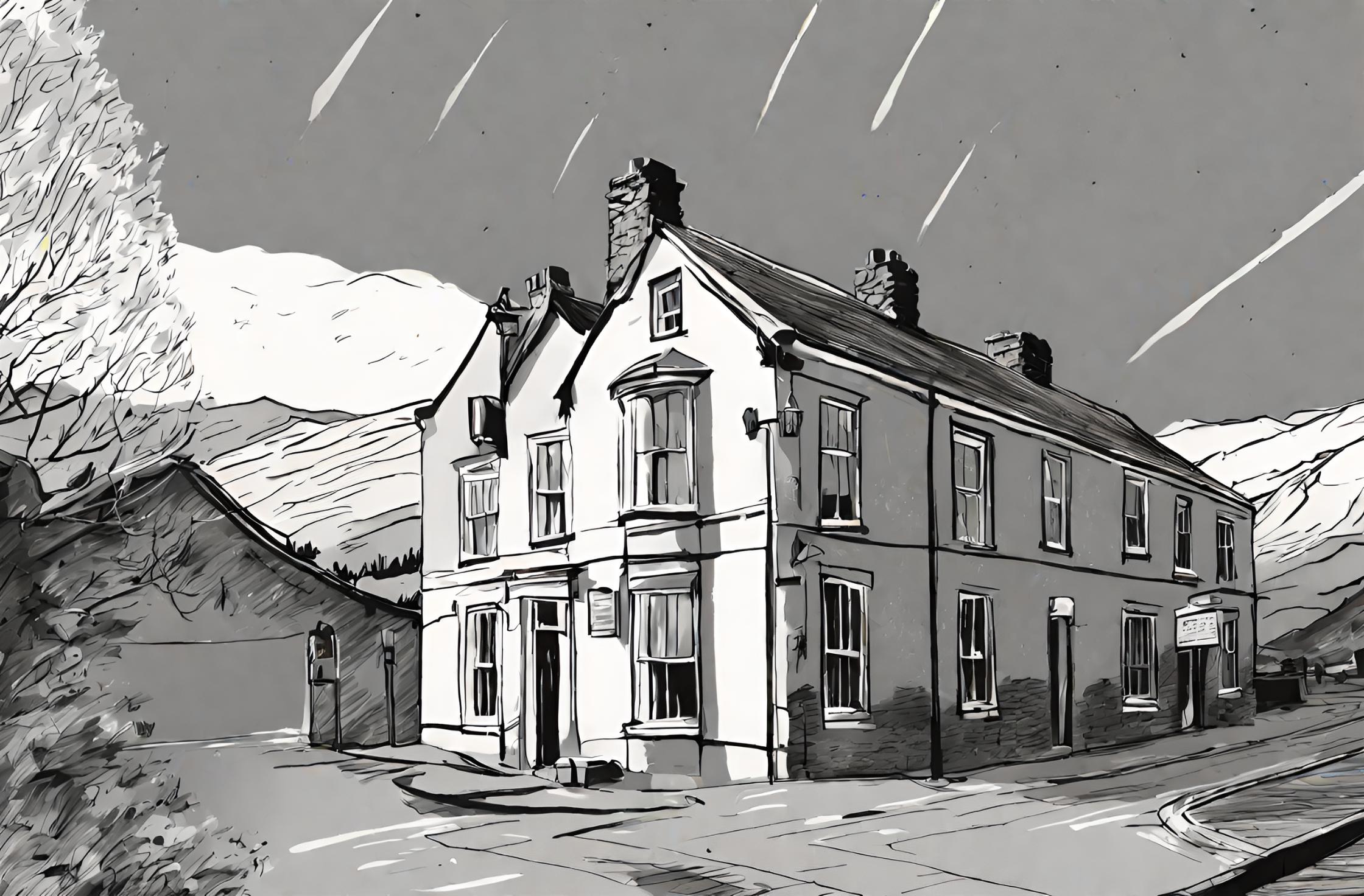
In Beddgelert, Wales, a…
On September 21, 1949,…
Nearly 13,000 children in…
On September 21, 2008,…
McAfee.com and F-Secure researchers…
On September 21, 2000,…
President Warren G Harding…
On September 21, 1922,…
Deep Space 1 flies…
"At the groundbreaking event…
Belize is granted full…
On September 21, 1981,…
