Flashback to November 23
World History
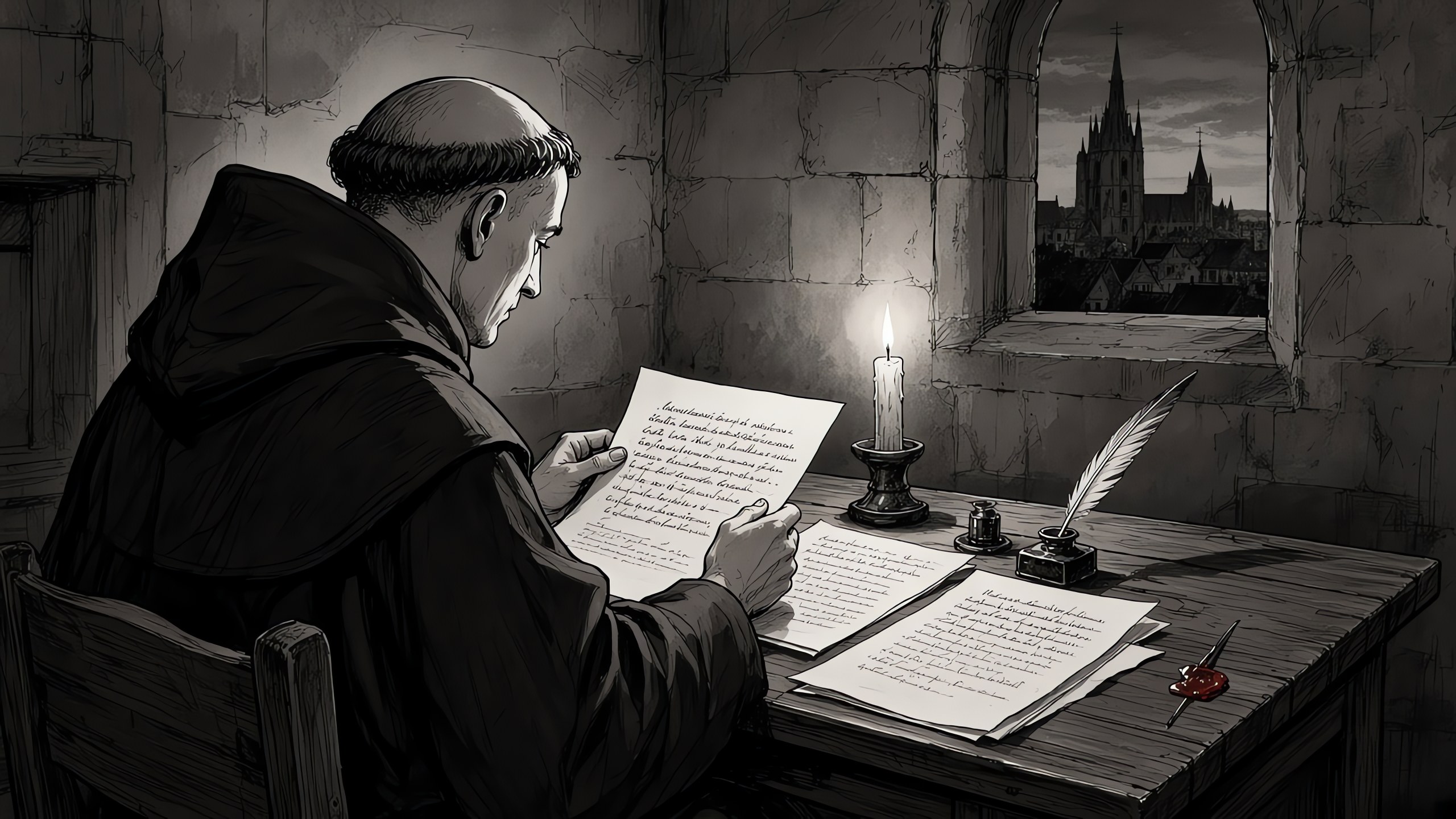
On October 31, 1517, the German monk and professor Martin Luther sent a list of Ninety-five Theses criticizing the sale of indulgences to Albrecht, the Archbishop of Mainz. According to tradition, on the same day Luther also posted the theses on the door of the Castle Church in Wittenberg. The event is remembered as the beginning of the Protestant Reformation.
Luther was an Augustinian friar and a professor of theology at the University of Wittenberg in Saxony. Through his study of the Bible, especially the letters of Paul, he had come to believe that people are saved by God’s grace through faith, not by their own good works.
At the time, the church was selling indulgences, which were believed to reduce the punishment for sins in purgatory, for oneself or for a loved one. In 1517 a Dominican friar named Johann Tetzel was preaching an indulgence near the borders of Saxony to raise money for the rebuilding of St. Peter’s Basilica in Rome. Part of the money went to Archbishop Albrecht, who needed it to repay debts he had taken on to obtain his offices.
Luther was troubled by the sale of indulgences and by what people were being told about them. He wrote the Ninety-five Theses in Latin as points for an academic debate. They questioned the power of indulgences and the pope’s authority over purgatory. One thesis asked why the pope, who was very rich, did not build St. Peter’s with his own money rather than with the money of poor believers.
On October 31, the eve of All Saints’ Day, Luther sent the theses with a letter to Archbishop Albrecht. The story that he nailed them to the church door, which served as the university’s notice board, was first told by his colleague Philip Melanchthon after Luther’s death. Some historians have doubted it, but a note by Luther’s secretary, Georg Rörer, found in the 2000s, supports the tradition.
The theses spread quickly. Printers in several cities published them, and within weeks they were being read across Germany. What began as a call for debate became a challenge to the authority of the church.
The conflict grew over the next few years. Luther defended his views at the Leipzig Debate in 1519, and in 1520 Pope Leo X threatened him with excommunication. Luther publicly burned the papal bull. In 1521, at the Diet of Worms, he refused to take back his writings before Emperor Charles V.
The movement that Luther began divided Western Christianity and led to the founding of Protestant churches. October 31 is still celebrated as Reformation Day in many Protestant churches and is a public holiday in several German states.
We strive for accuracy. If you see something that doesn't look right, click here to contact us!
 Contact Us
Sponsored Content
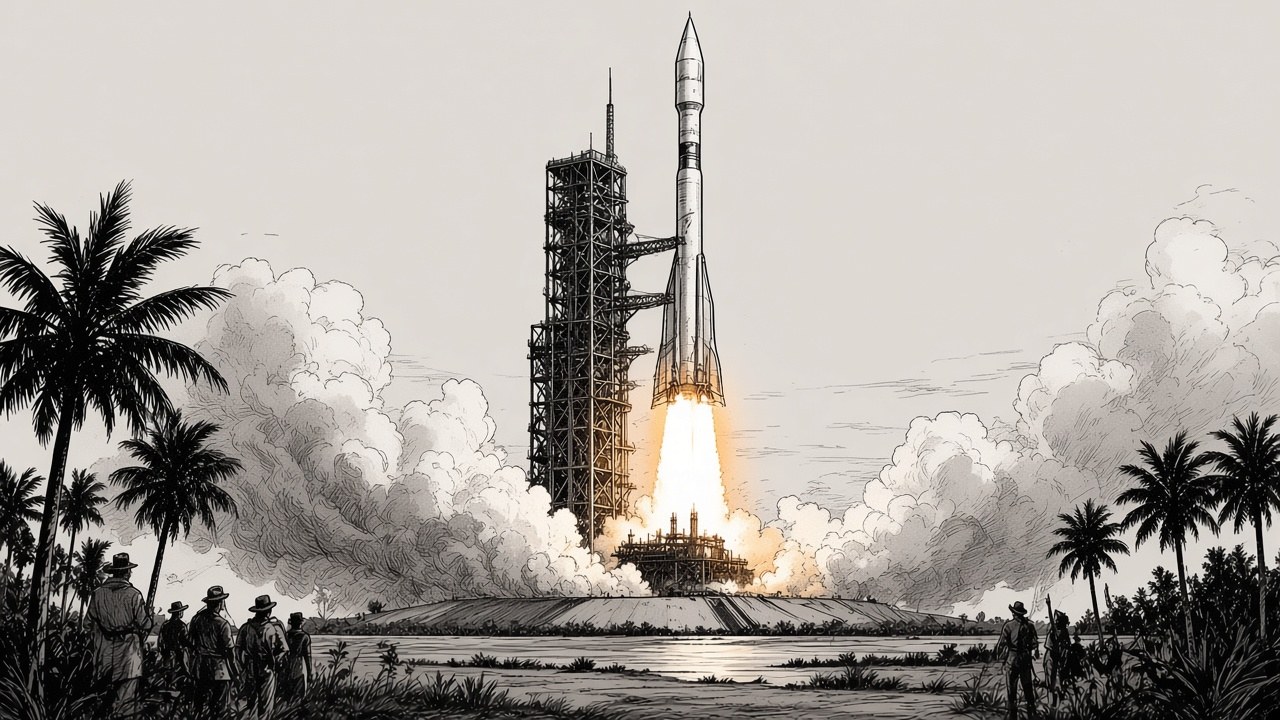
European weather satellite Meteosat…
Launched from Cape Canaveral…
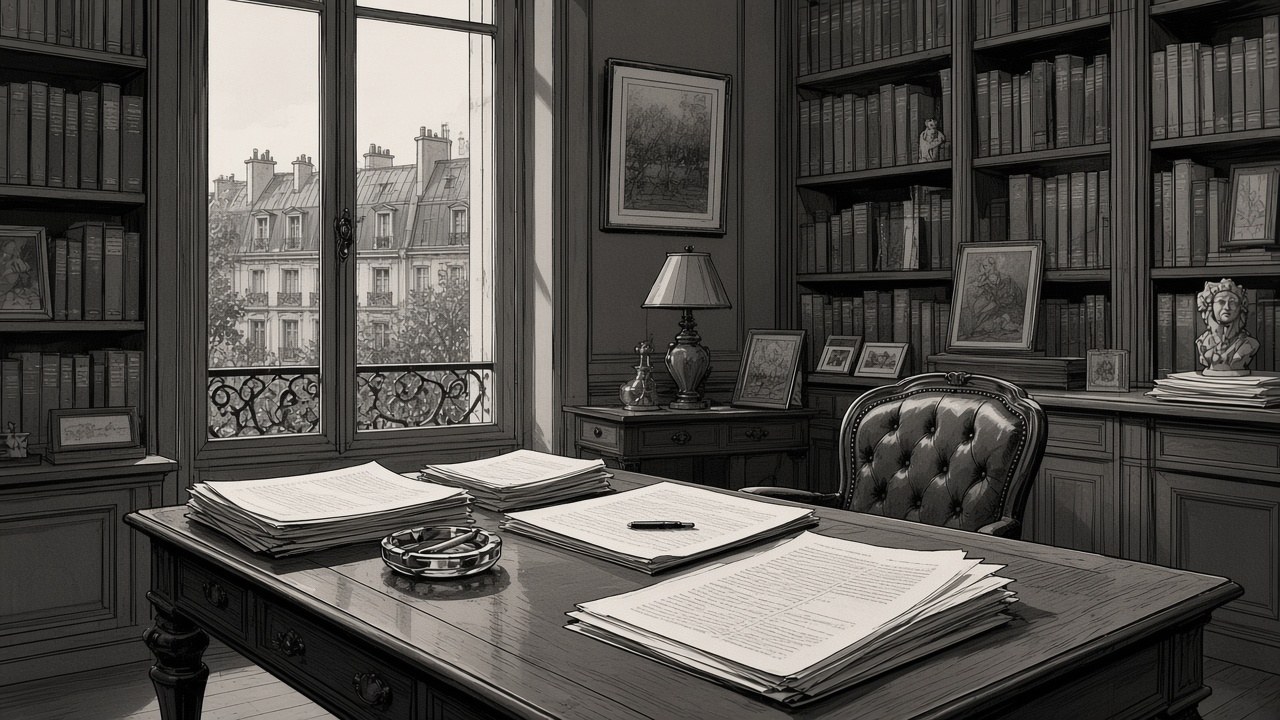
Andre Malraux, French novelist/art…
Renowned French novelist and…
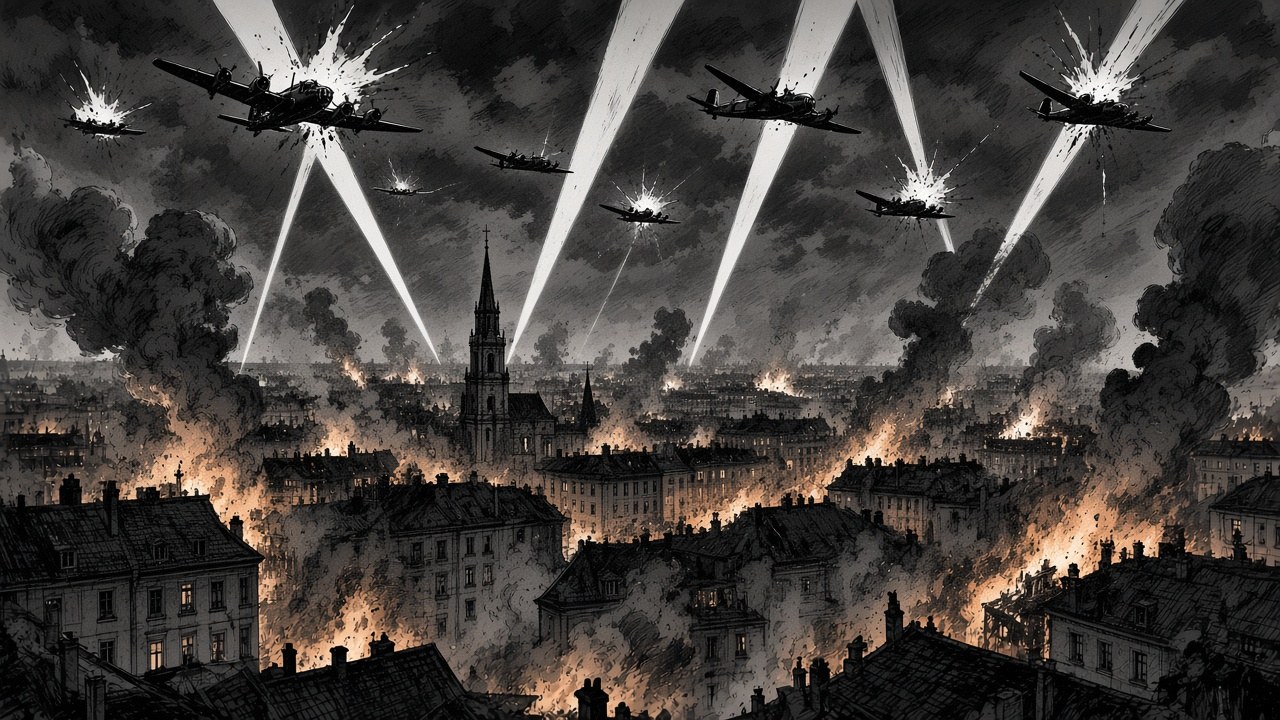
British bombers again attack…
On the evening of…
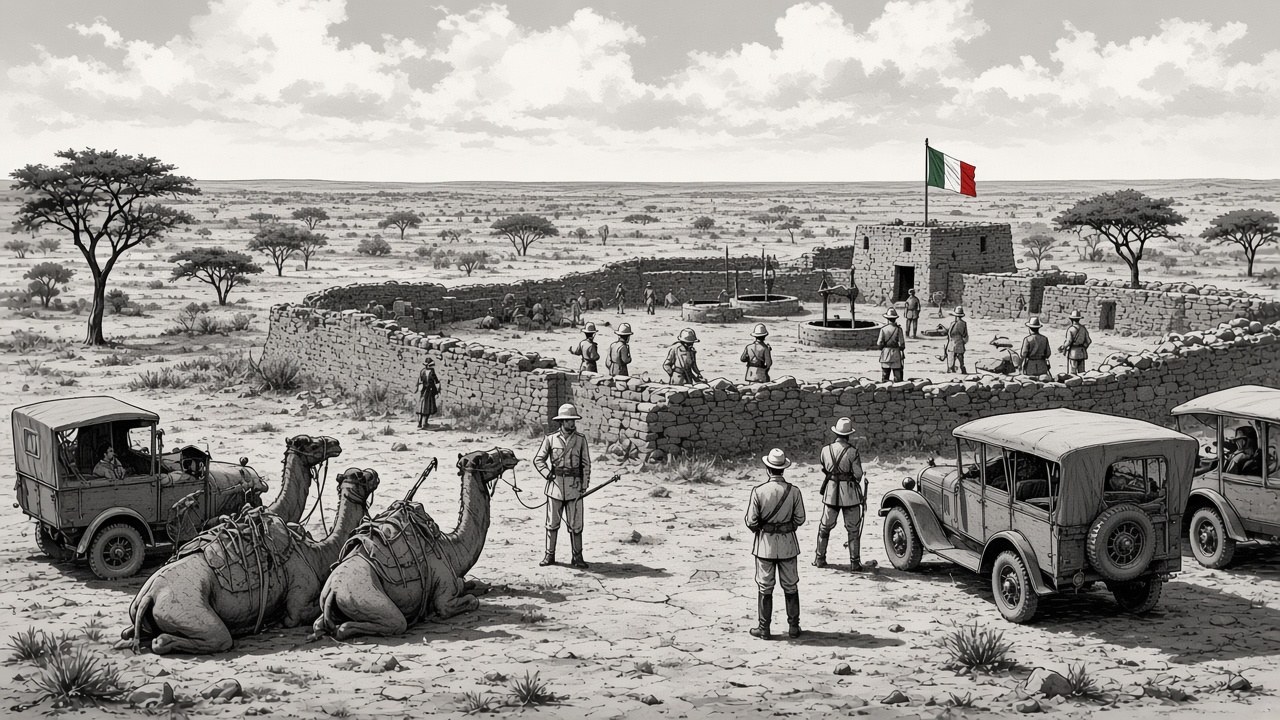
An Anglo-Ethiopian boundary commission…
On November 23, 1934,…
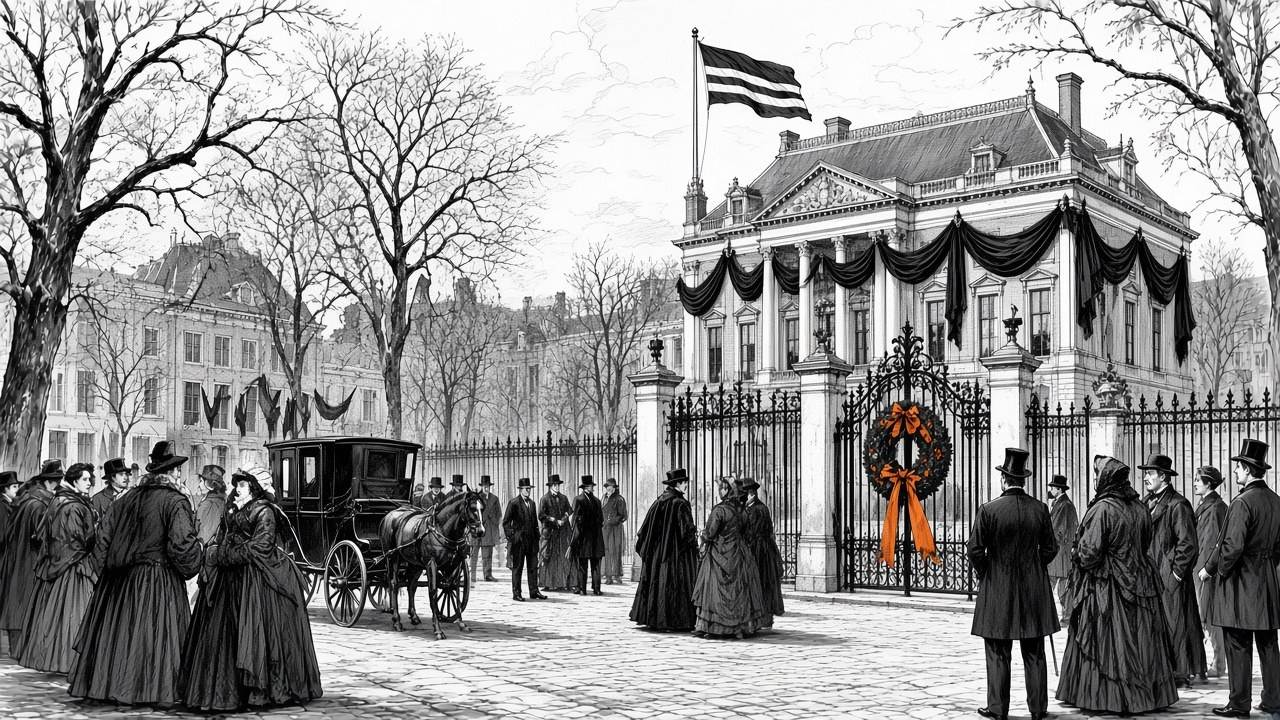
King William III of…
"King William III of…
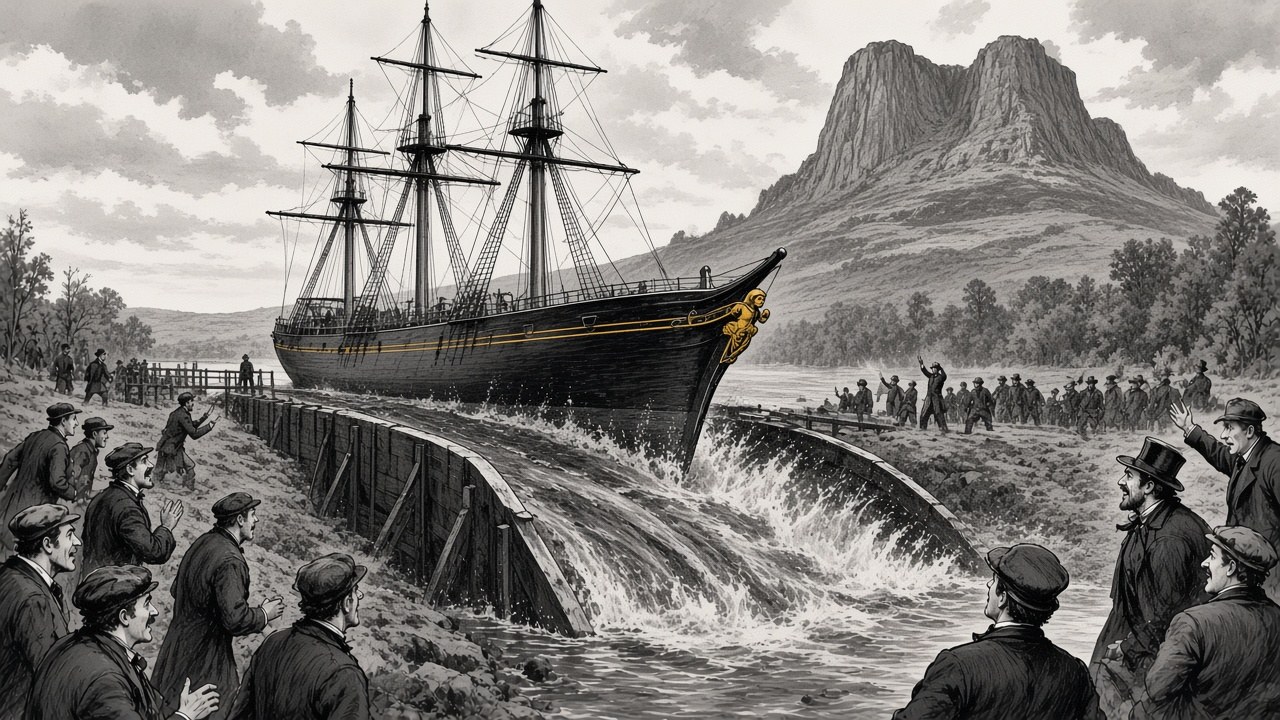
In Dumbarton, Scotland, the…
Experience a piece of…