
Flashback to August 25
World History

May 11, 1948, marked a significant day in Italian history as Luigi Einaudi was elected as the President of Italy. This event was a pivotal moment for the country, as it set the course for political and economic changes in post-war Italy. Luigi Einaudi’s presidency brought about several reforms and was instrumental in shaping Italy’s future. In this article, we will delve into the details of this historic event and its significance.
Luigi Einaudi was born on March 24, 1874, in Carrù, a small town in the Piedmont region of Italy. He had an illustrious academic background, studying economics and law at the University of Turin. Einaudi’s expertise in economics played a crucial role in his later political career and policy-making decisions.
Before his presidency, Einaudi held various academic positions and served as an economist for the Bank of Italy. His experience in the field earned him respect and admiration from the Italian public and politicians alike. His economic expertise was particularly sought after during the difficult post-war years, as Italy desperately needed stability and growth.
In the aftermath of World War II, Italy was facing numerous challenges, including political instability and economic struggles. The country was on the verge of bankruptcy, with skyrocketing inflation and rampant corruption. The people were looking for a leader who could steer Italy towards a brighter future, and Luigi Einaudi emerged as a promising candidate.
Einaudi was elected as the President of Italy on May 11, 1948, following a period of intense campaigning and political tension. His victory brought hope and renewed determination to the Italian people, as they saw him as a symbol of change and progress.
During his presidency, Einaudi focused on implementing economic reforms to stabilize the country’s struggling economy. He introduced policies aimed at curbing inflation, reducing government spending, and promoting free-market principles. Einaudi’s economic measures were successful in stabilizing Italy’s economy and laying the foundation for future growth.
Einaudi’s presidency was not only focused on economic matters but also highlighted his commitment to upholding democratic values and promoting social justice. He put significant effort into strengthening Italy’s democratic institutions and ensuring equal rights for all citizens. Einaudi’s dedication to democracy was particularly important during this period when the world was still recovering from the devastation caused by the war.
Furthermore, Einaudi played a crucial role in rebuilding Italy’s international reputation. He worked towards strengthening Italy’s alliances with the United States and other European countries, paving the way for Italy’s integration into the international community.
Although Einaudi’s presidency lasted for only six years, his impact on Italy was profound. His visionary leadership and commitment to economic stability and democratic principles set Italy on a path of progress and prosperity. Einaudi’s presidency marked the beginning of Italy’s post-war reconstruction and laid the groundwork for the economic boom that followed in the subsequent decades.
Luigi Einaudi’s election as the President of Italy on May 11, 1948, was a turning point in Italian history. His presidency brought about significant economic and political changes that shaped the country’s future. Einaudi’s dedication to democracy, economic reforms, and international relations solidified his legacy as a transformative leader. His impact on Italy’s post-war reconstruction and subsequent growth cannot be understated, making May 11, 1948, a day of great significance in Italian history.
We strive for accuracy. If you see something that doesn't look right, click here to contact us!
 Contact Us
Sponsored Content
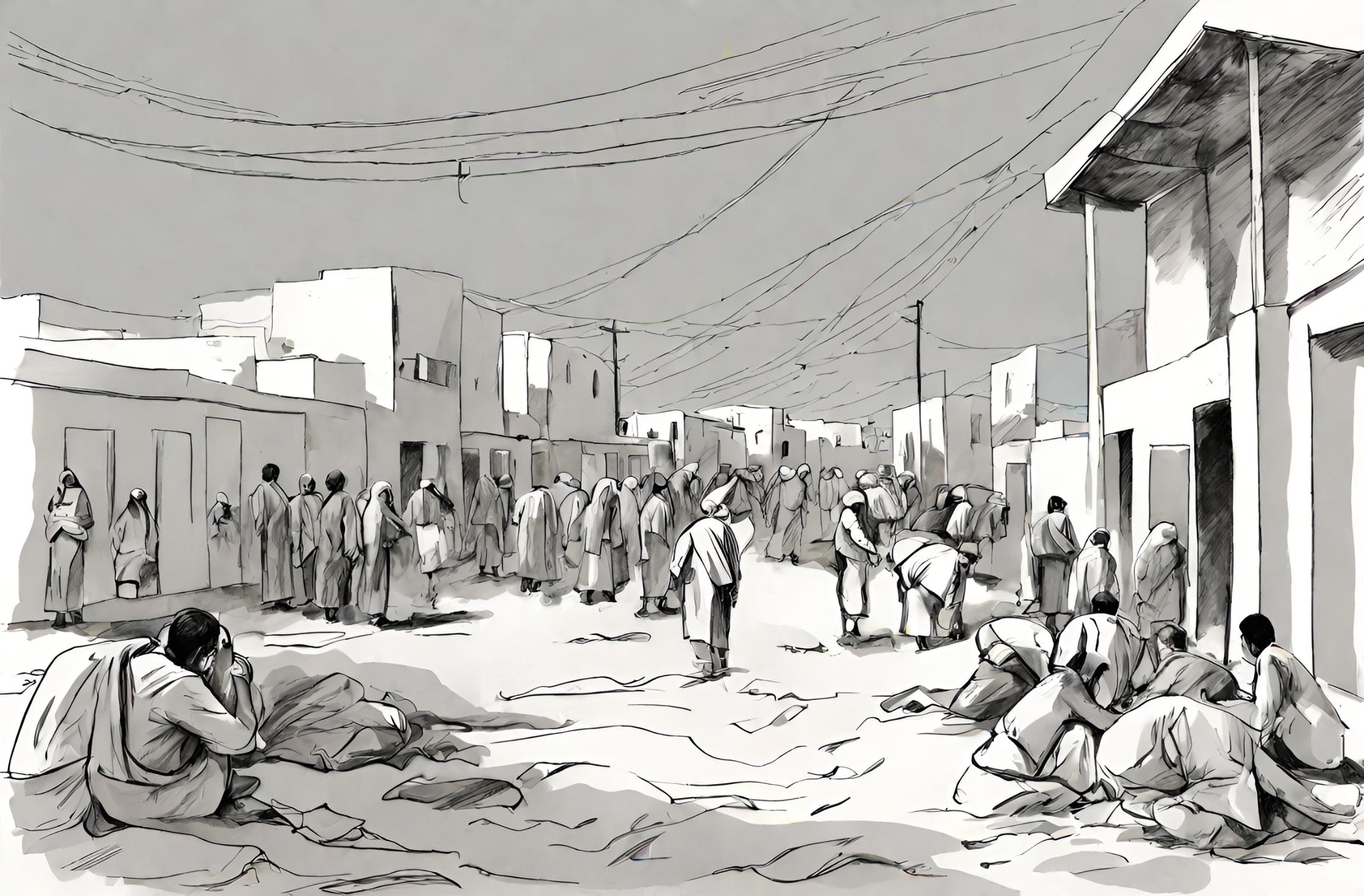
Afghanistan bomb kills 43…
The tragic bombing event…
The Kuomintang, the Chinese…
"Marking a pivotal moment…
In London, an Agreement…
"On August 25, 1939,…
Belarus declares independence from…
On August 25, 1991,…
United Nations security council…
On August 25, 1990,…
German commander of Paris,…
On August 25, 1944,…
