
Flashback to August 25
World History

On July 16, 1548, the city of La Paz, Bolivia was founded. This historic event marked the beginning of a rich and vibrant history for the city. La Paz has since grown to become one of the most significant cultural, political, and economic centers in Bolivia. In this article, we will explore the fascinating story behind the founding of La Paz and the impact it has had on the region.
La Paz was founded by Spanish conquistadors led by Captain Alonso de Mendoza. The Spaniards were on an expedition in search of gold and silver in the region. They chose the location for the city due to its strategic position and fertile lands. However, the area was already inhabited by indigenous Aymara people who had been living there for centuries.
The relationship between the Spanish conquerors and the native populations was complex and often turbulent. The Aymara people initially resisted the Spanish presence, but over time, their resistance weakened, and the city began to grow. The Spanish introduced their language, religion, and culture, leaving lasting influences on the city’s identity.
One of the distinctive features of La Paz is its unique geography. The city is built in a deep valley surrounded by the majestic Andes Mountains. This natural setting not only provides breathtaking views but also poses significant challenges for urban development. The city’s layout follows the contours of the valley, resulting in a variety of heights and steep inclines. As a result, La Paz is known for its impressive cable car system, which allows residents and visitors to navigate the city effectively.
Over the centuries, La Paz has experienced periods of growth, change, and political turmoil. It became an important administrative center during the colonial era and thrived economically due to its proximity to rich mining regions. However, Bolivia’s struggle for independence from Spain in the early 19th century had a significant impact on La Paz. The city played a crucial role in the liberation movement, and in 1825, Bolivia finally gained its independence.
In the years that followed, La Paz became the seat of government and continued to grow as a center of commerce and culture. It attracted immigrants from various regions, contributing to its multicultural character. Today, La Paz is home to over 800,000 residents and is renowned as a vibrant city with a thriving arts and music scene.
La Paz is also a city of contrasts. It combines old and new, tradition and modernity. In the historic city center, known as El Alto, narrow streets, colonial-era buildings, and bustling markets coexist with contemporary architecture and vibrant nightlife in the southern neighborhoods.
Tourism has become an essential part of La Paz’s economy in recent years. Visitors are drawn to the city’s unique cultural heritage and natural beauty. The infamous Witches’ Market, where traditional remedies and amulets are sold, is a popular attraction. Additionally, the nearby ruins of Tiwanaku, a pre-Columbian archaeological site, provide insight into the region’s ancient history.
La Paz is a city that continues to evolve, embracing its past while looking towards the future. Its rich history, combined with its stunning natural setting, vibrant culture, and significant economic development, make it a fascinating destination for travelers and a source of pride for its residents.
the founding of La Paz on July 16, 1548, was a pivotal moment in the history of Bolivia. From its humble beginnings as a Spanish settlement to its rise as a bustling city, La Paz has emerged as an important cultural and economic hub. The city’s unique geography and multicultural character make it a truly remarkable place to visit. Whether exploring its historic center, taking in the breathtaking views from the cable cars, or immersing oneself in its vibrant culture, La Paz offers an unforgettable experience for all who visit.
We strive for accuracy. If you see something that doesn't look right, click here to contact us!
 Contact Us
Sponsored Content
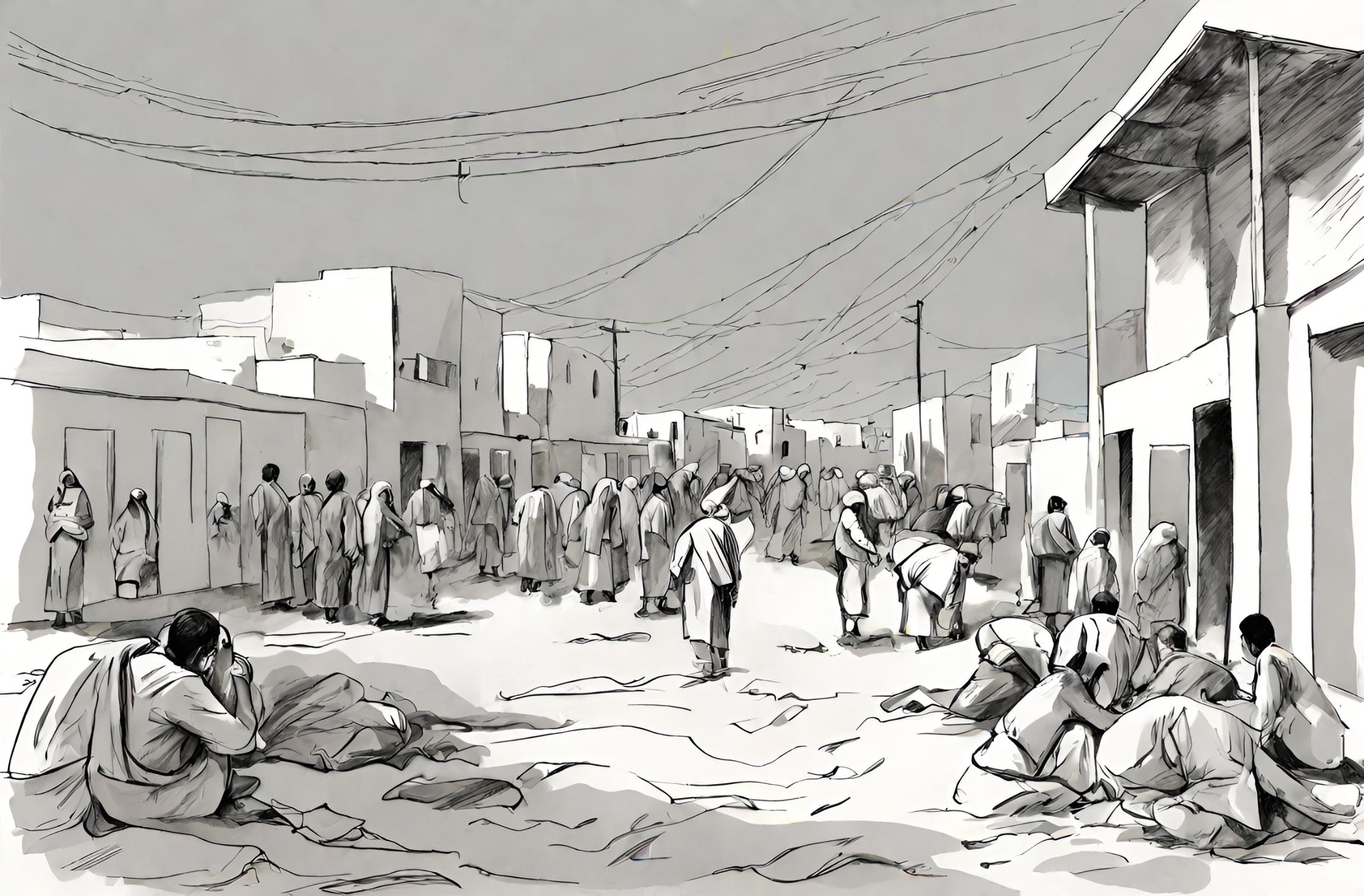
Afghanistan bomb kills 43…
The tragic bombing event…
The Kuomintang, the Chinese…
"Marking a pivotal moment…
In London, an Agreement…
"On August 25, 1939,…
Belarus declares independence from…
On August 25, 1991,…
United Nations security council…
On August 25, 1990,…
German commander of Paris,…
On August 25, 1944,…
