
Flashback to September 21
American History
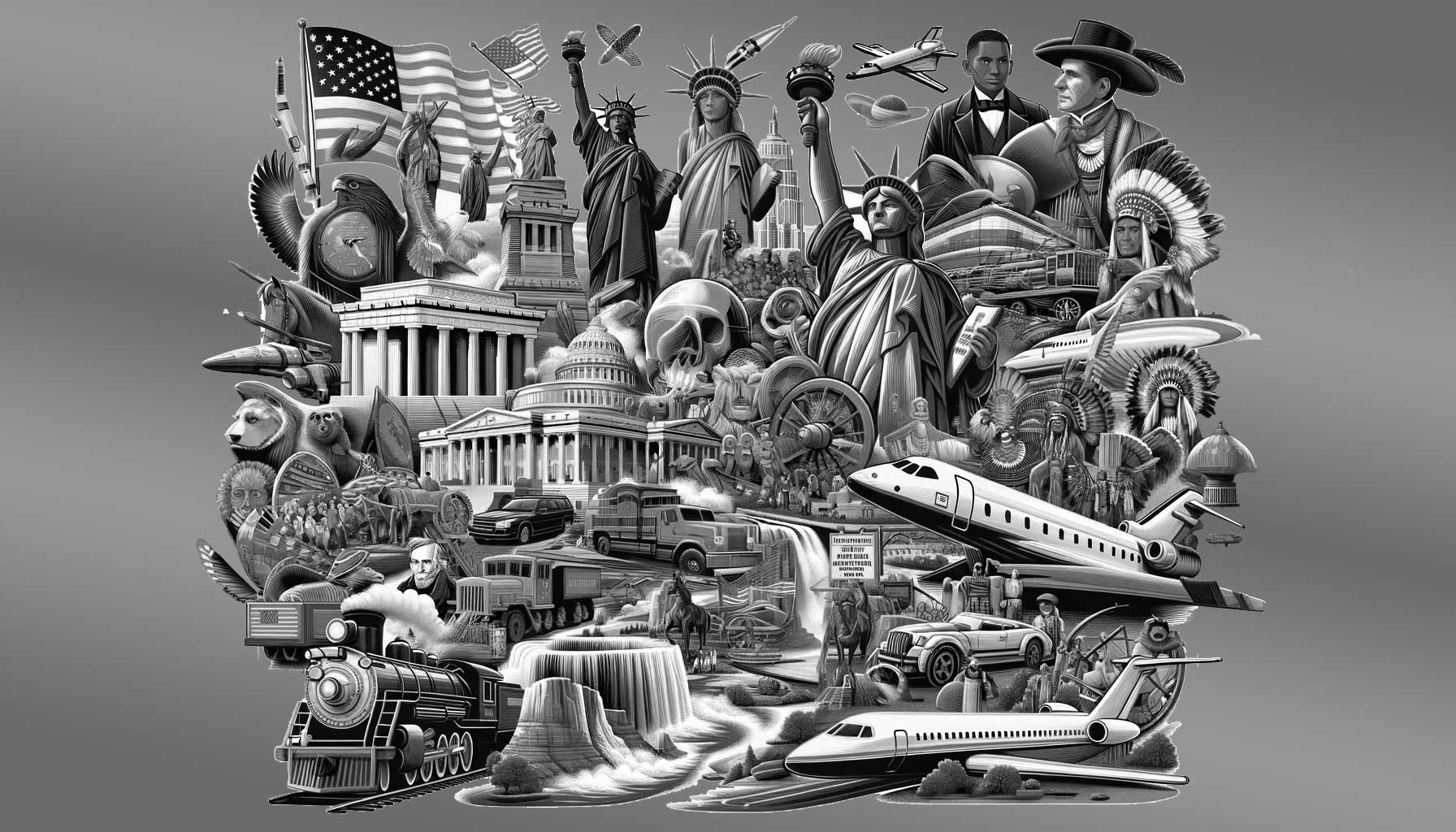
In a decisive shift on November 4, 1939, the United States Congress made crucial amendments to the seminal 1937 Neutrality Act. The changes allowed belligerent nations involved in World War II to purchase American arms, under the condition that they provided payment in cash and arranged for the transport of these goods. This historical occurrence has significant implications in understanding the alteration of United States’ foreign policy during the war.
Delving into details about this transformative policy, the Neutrality Act was originally passed in 1937 under the administration of President Franklin D. Roosevelt. The thrust of this legislation was to inhibit the United States from entangling itself in overseas conflicts. A lofty goal, considering the global atmosphere, teeming with the rising tensions leading up to the second World War. However, the landscape morphed rapidly, and by 1939, it had become clear that the United States needed to reassess its engagement with the world.
The 1937 neutrality legislation aimed to safeguard national interests, avoiding the pitfalls that led the United States into the first World War. The strictures of the Act included banning the exportation of munitions to belligerent nations and the prohibition of American citizens traveling on belligerent ships. Essentially, the Act was designed to maintain American neutrality through non-involvement in foreign wars.
Fast forward to November 4, 1939, when an amendment led to a divergence from this steadfast neutrality. The United States Congress loosened the reins by allowing belligerent nations to purchase American arms. This seemingly small change had colossal implications on the international level. The caveat in this policy was that any arms bought had to be paid for in cash and the countries involved had to self-organize the transportation of the purchased arms.
The logistics of this “cash-and-carry” policy as it became colloquially known, fundamentally shifted the dynamics of World War II. The amendments played a substantial role in bolstering the Allied powers financially and militarily against the Axis forces. The cash-and-carry amendment positioned the United States as a significant player in the global arms market, boosting its economy while infusing Allied countries with much-needed resources.
This advance in policy reflected the growing concern among the American populace and its government about the outcome of World War II. Despite the Neutrality Act’s initial intention to avert involvement in foreign conflicts, mounting pressure and global realities necessitated these amendments.
The alteration of the 1937 Neutrality Act provides thoughtful insight into the transformation of the United States’ role on the international stage. Initially clinging to a staunchly neutral stance, the United States strategically adapted its policy to respond to the ever-changing global scenario during the 1930s and 1940s.
The American Congress’s decision to amend the Neutrality Act demonstrates that the nation’s foreign policy is not rigid but indeed fluid, adjusting to the exigencies of the international landscape. By allowing belligerent nations to buy American arms, Congress, inadvertently or otherwise, set the stage for the United States’ more direct involvement in World War II, a detail not lost on history’s keen observers.
Admittedly, the cash-and-carry amendment sparked controversy, with critics arguing it was a departure from the principles of neutrality. Despite this, its proponents considered it not only a practical approach but a necessary response to the problematic state of global affairs.
In the end, the cash-and-carry amendment to the Neutrality Act marked a pivot point in America’s role in World War II and beyond. It subtly showcased the complexities and suppleness of United States foreign policy – forever under the relentless scrutiny of historical analysis.
We strive for accuracy. If you see something that doesn't look right, click here to contact us!
 Contact Us
Sponsored Content
First auto manufacturer opens-Duryea…
Experience the rich history…
American Revolution: Benedict Arnold…
"Explore the crucial turning…
Moroni first appears to…
On September 21, 1823,…
The American B-29 Stratofortress…
Experience the unparalleled history…
San Francisco cable cars…
On September 21, 1982,…
