
Flashback to August 1
American History
On July 31, 1975, a dark cloud descended upon Detroit, Michigan, as the prominent labor leader and president of the Teamsters Union, Jimmy Hoffa, was reported missing. The mysterious disappearance of this powerful figure sent shockwaves through the city and the nation as questions swirled about what could have happened to him. Decades later, the case remains unsolved, leaving a void in the history of organized labor.
Jimmy Hoffa was known for his strong leadership and his ability to mobilize the labor force. As the leader of the International Brotherhood of Teamsters, he was a key player in the labor movement, fighting for fair wages, better working conditions, and stronger benefits for workers. However, his association with organized crime and his often controversial tactics made him a lightning rod for controversy.
The circumstances surrounding Hoffa’s disappearance on that fateful day are still debated and shrouded in mystery. According to reports, he was scheduled to meet with Anthony “Tony Pro” Provenzano, a former Teamsters official with ties to organized crime, at the Machus Red Fox restaurant in Bloomfield Township. However, Hoffa never arrived at the meeting, and was never seen again.
Law enforcement agencies launched an extensive investigation into Hoffa’s disappearance, but the case remained unresolved. Various theories and speculations emerged, pointing fingers at different individuals and groups, including the mob and even Hoffa’s own union associates. Yet, despite numerous leads and countless hours of investigation, the truth behind what happened to Jimmy Hoffa remains elusive.
The impact of Hoffa’s disappearance was felt not only in Detroit, but across the entire labor movement. With his absence, the Teamsters Union faced a leadership vacuum, leaving its members uncertain and vulnerable. The missing president had been instrumental in negotiating labor contracts and advocating for worker rights, and his absence left a void that was not easily filled.
The speculation surrounding Hoffa’s disappearance has made it one of the most well-known and heavily discussed missing persons cases in American history. Numerous books, documentaries, and films have sought to shed light on the mystery, exploring the various theories and offering possible explanations. Yet, despite all the attention and speculation, the truth remains elusive.
Over the years, the search for Hoffa’s remains has been conducted in various locations, including farms, landfills, and even beneath a suburban Detroit driveway. However, no trace of the missing labor leader has been found. In recent years, several individuals have come forward claiming to have information about Hoffa’s fate, but none of these leads have led to a resolution of the case.
The disappearance of Jimmy Hoffa represents not only the loss of a powerful labor leader but also a symbol of the complexities and dark underbelly of the organized labor movement. It serves as a reminder of the challenges faced by those fighting for worker rights and the dangers that come with challenging powerful interests.
Today, the mystery of Jimmy Hoffa’s disappearance continues to capture the public’s imagination. Conspiracy theories abound, and the case remains open. While the truth may never be known, the memory of Hoffa and his impact on the labor movement lives on. His disappearance stands as a haunting reminder of the power struggles and dangers that surround those who dare to fight for workers’ rights in a world often dominated by greed and corruption.
We strive for accuracy. If you see something that doesn't look right, click here to contact us!
 Contact Us
Sponsored Content
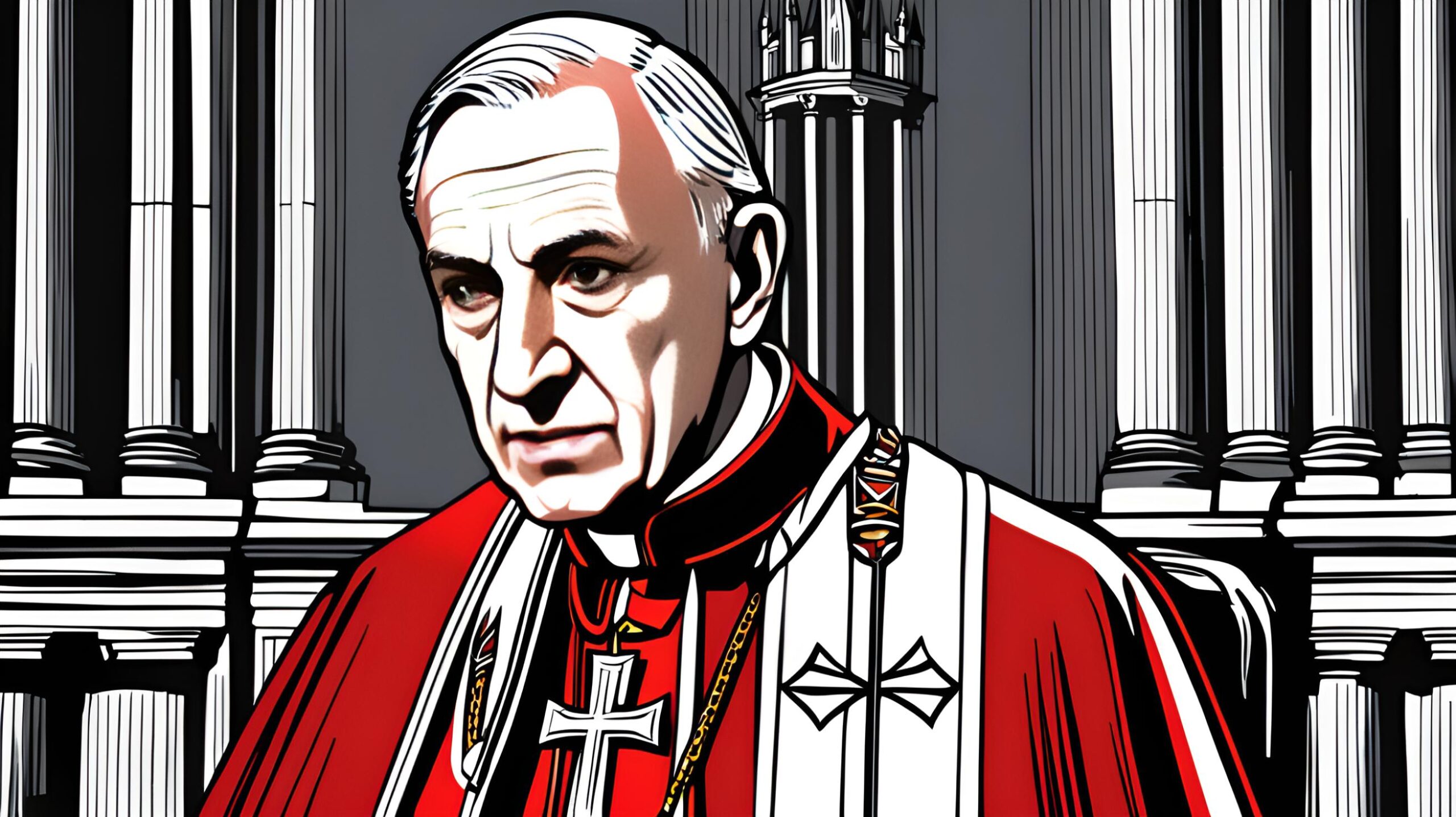
John Cardinal Dearden, US…
John Cardinal Dearden, a…
Charles Whitman climbs University…
On August 1, 1966,…
A rare tornado hits…
On 8/1/1812, Westchester County,…
First Scout camp opens…
First Scout camp opens…
First coast-to-coast automobile trip…
The historic first coast-to-coast…
The United States and…
On August 1, 1957,…
