
Flashback to August 24
American History
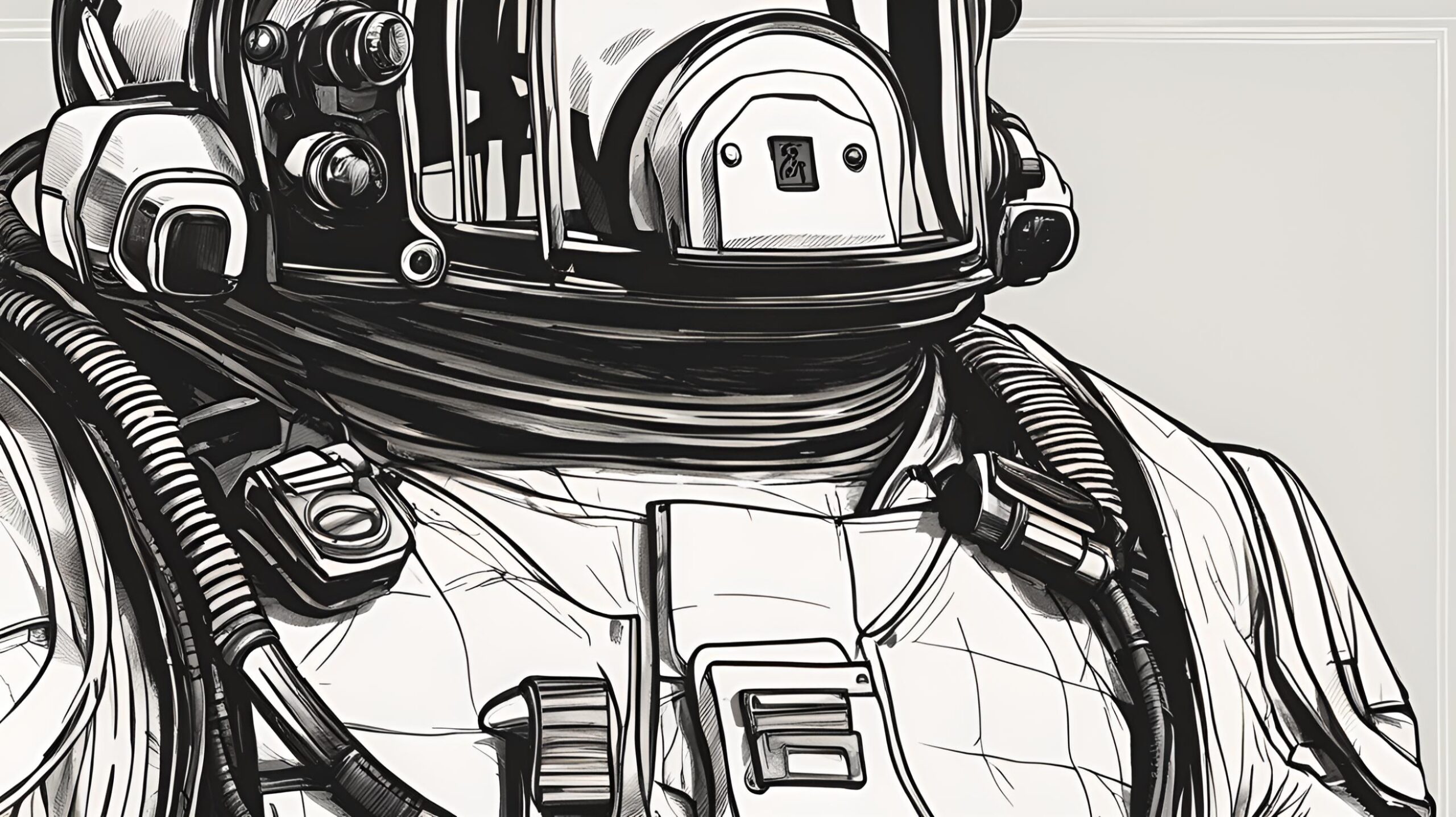
On June 14, 1834, a significant event took place in the small town of Dixfield, Maine – the patenting of the hardhat diving suit by Leonard Norcross. This invention marked a major breakthrough in diving technology and had a profound impact on underwater exploration and various industries. In this article, we will explore the significance of Norcross’ invention and its impact on the world.
The invention of the hardhat diving suit revolutionized underwater exploration by allowing divers to descend to greater depths and stay submerged for longer periods. Prior to Norcross’ invention, diving was a dangerous and limited endeavor, with divers relying on simple helmets and other crude equipment. The hardhat diving suit changed the game by providing a safe and controlled environment for divers to operate in.
Norcross’ diving suit consisted of a large metal helmet connected to a waterproof suit. The helmet was equipped with an air supply pipe, allowing the diver to breathe underwater while remaining protected from the surrounding pressure. The suit itself was made of durable materials, providing insulation and protection against cold water. This innovation greatly enhanced the safety and effectiveness of underwater operations.
One of the key advantages of the hardhat diving suit was its versatility. It opened up new opportunities for industries such as shipbuilding, underwater construction, salvage operations, and marine research. Divers equipped with the hardhat diving suit could now investigate underwater damages to ships, repair underwater structures, recover valuable items from shipwrecks, and conduct scientific studies in greater detail. The increased accessibility to the underwater world led to advancements in various fields and contributed to our understanding of the oceans.
Norcross’ invention had a significant impact on the fishing industry as well. Prior to the development of the hardhat diving suit, fishermen relied on traditional fishing methods and were limited to shallow waters. With the newfound ability to dive deeper, fishermen could now explore new fishing grounds and target species that were previously out of reach. This led to increased productivity and economic growth in fishing communities.
The hardhat diving suit also played a crucial role in underwater firefighting and rescue operations. Firefighters equipped with the diving suit were able to combat fires in submerged environments, such as ship hulls or submerged structures, with greater efficiency and safety. Similarly, rescue teams could carry out search and recovery missions in hazardous underwater conditions, providing a lifeline to those in need.
The significance of Norcross’ invention cannot be overstated. It paved the way for further advancements in diving technology and underwater exploration. Over time, the hardhat diving suit has evolved, with modern versions incorporating advanced features and materials for improved safety and comfort. However, it was Norcross’ initial innovation that laid the foundation for these advancements and changed the course of underwater exploration.
the patenting of the hardhat diving suit by Leonard Norcross on June 14, 1834, was a pivotal moment in the history of underwater exploration. This invention revolutionized diving safety, opened up new opportunities for various industries, and contributed to our understanding of the underwater world. Norcross’ innovation continues to shape the way we explore and interact with the oceans, making it a seminal event in the history of diving technology.
We strive for accuracy. If you see something that doesn't look right, click here to contact us!
 Contact Us
Sponsored Content

The month-long “cash for…
The "Cash for Clunkers"…

Thomas Edison patents the…
Celebrating the milestone from…
US passes Anti-gag law,…
"Commemorating the historic moment…
The Old Philadelphia Arena…
On August 24, 1983,…
