
Flashback to April 3
American History
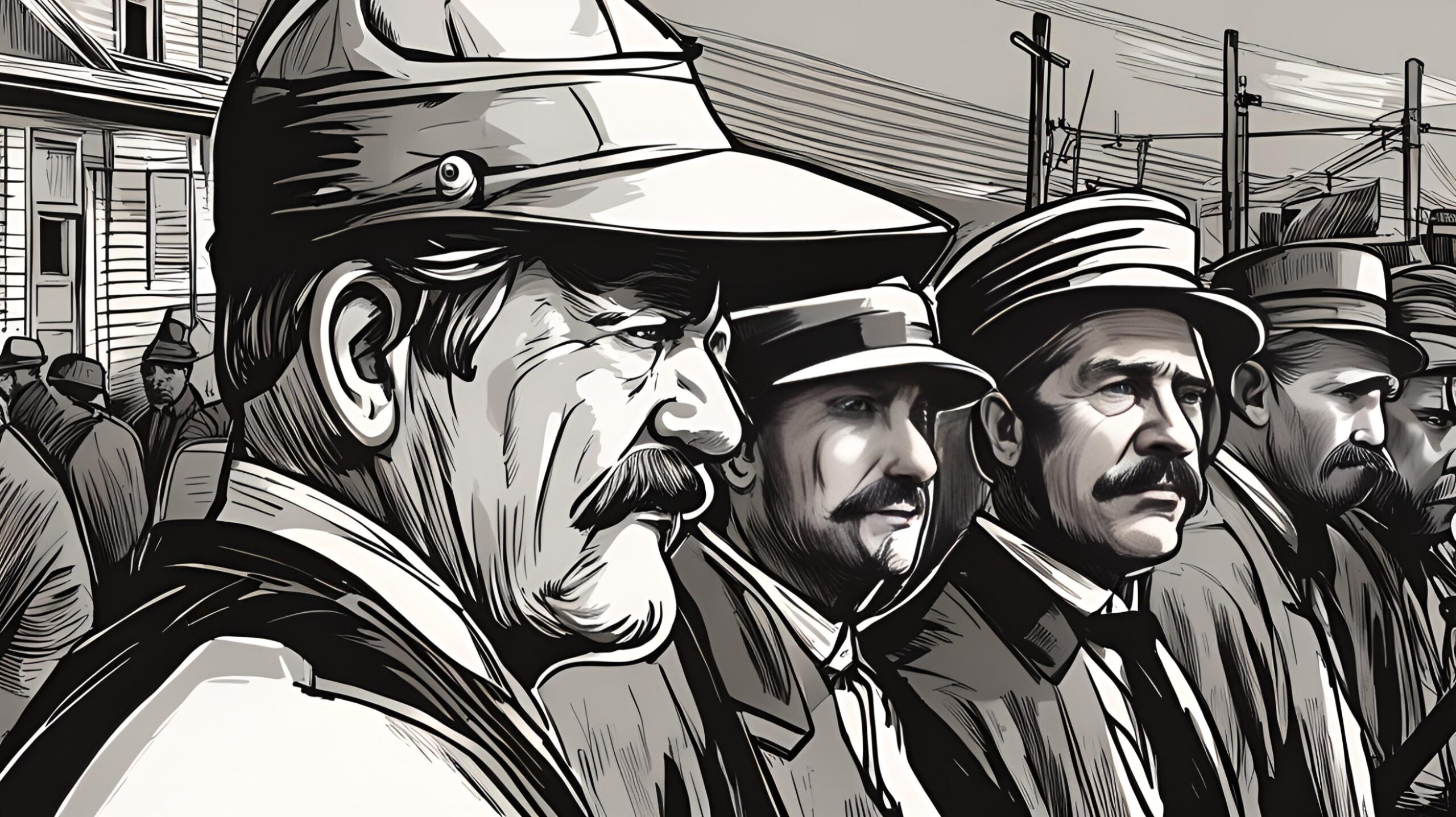
On 7/2/1894, a significant event took place when the government obtained an injunction against the striking Pullman workers. This event had a lasting impact on labor rights and the relationship between workers and employers in the United States.
The Pullman Strike was a labor conflict that occurred in the late 19th century. The Pullman Company, a manufacturer of luxury railroad cars, experienced a decline in business and responded by reducing wages and increasing working hours. Dissatisfied with these changes, the workers decided to strike, demanding better pay, improved working conditions, and the recognition of their labor union, the American Railway Union (ARU).
As the strike gained momentum, it led to disruptions in rail transportation across the country. With the railway system being a vital aspect of the nation’s economy at that time, the government grew increasingly concerned about the impact of the strike on businesses and threatened national stability. In an attempt to restore order and alleviate the disruption caused by the strike, the government obtained an injunction against the striking workers.
An injunction is a legal order that prohibits a particular action or behavior. In this case, the injunction was aimed at preventing the striking Pullman workers from obstructing rail transportation or interfering with the operations of the Pullman Company. The government argued that the strike was illegal and posed a threat to public safety and the economy, justifying the need for legal intervention.
The injunction had severe consequences for the striking workers. It criminalized their participation in the strike and imposed severe penalties for non-compliance. Additionally, the government deployed federal troops to enforce the injunction, leading to violent clashes between the military and the striking workers. The use of force further exacerbated tensions and solidified the divide between the workers and their employers.
The government’s actions in obtaining the injunction against the Pullman workers sparked a national debate on the limitations of labor rights. Critics argued that the government had overreached its authority by suppressing the workers’ right to strike and assemble peacefully. They viewed the injunction as a violation of the workers’ constitutional rights and an infringement on their freedom of expression and association. Supporters of the injunction, on the other hand, believed that the government’s intervention was necessary to protect public welfare and restore order.
The aftermath of the strike and the government’s injunction had a lasting impact on labor relations in the United States. The Pullman Strike highlighted the power imbalance between workers and large corporations, igniting public support for the labor movement and the fight for workers’ rights. It also led to legal reforms and the establishment of labor protections in subsequent years.
The government obtaining an injunction against the striking Pullman workers on 7/2/1894 was a pivotal event in labor history. While it aimed to restore order and protect public welfare, the injunction had long-lasting consequences for workers’ rights and the relationship between labor and management. The Pullman Strike served as a catalyst for advancements in labor legislation and intensified the fight for fair treatment and better working conditions for American workers.
We strive for accuracy. If you see something that doesn't look right, click here to contact us!
 Contact Us
Sponsored Content
US national debt hits…
On April 3, 1986,…
Battle at Namozine Church,…
The Battle at Namozine…
