
Flashback to October 25
American History
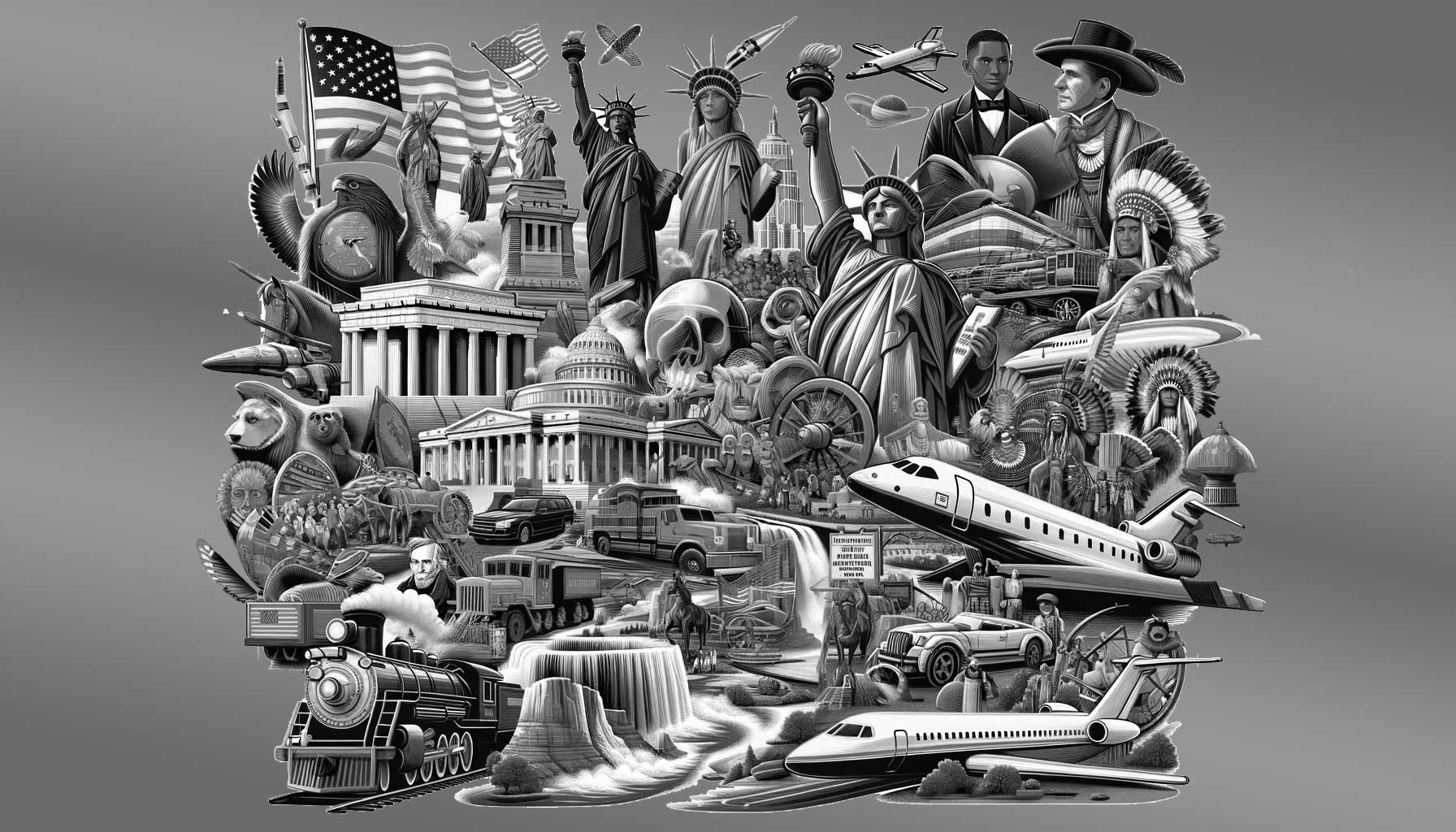
On September 4, 1886, a significant event marked a turning point in the intricate history of the United States. This was the day when Geronimo, the prominent Apache leader, was captured, signifying the end of the last major U.S.-Indian war. This event connotes a substantial shift in the dynamics between Native Americans and the U.S. government. Its implications, in terms of cultural diffusion, transformation of landscapes, and political empowerment, continue to hold relevance today.
Geronimo was considered a staunch defender of Apache lands and tribal sovereignty. His persistent resistance against U.S. and Mexican encroachments on native territories symbolized the struggle that many indigenous tribes experienced during this period. The Apache, under Geronimo’s leadership, held fast against the colonial power for more than a decade, shaping an indelible legacy that carries enduring relevance for discussions on Native American rights and territories.
The capture of Geronimo entailed meticulous planning and exhaustive battles. General Nelson A. Miles led 5,000 troops to effectuate his capture. The mission was a complex battle of wit, strategy, and relentless pursuit, which revealed the heavy-handed tactics employed by the U.S. government in its endeavors to attain control over Native American territories.
The event itself sparked immediate and widespread media attention, showing, more than ever, the potency and breadth of print media in the latter part of the nineteenth century in America. News about Geronimo’s capture was spread widely across the United States, often capturing the public’s sentiment of triumph over an adversary.
However, the view of Geronimo’s capture as a victory endures significant criticism today. In retrospect, the capture and subsequent confinement of Geronimo symbolized the tragic loss of native freedom, autonomy, and cultural identity. Geronimo’s resolute stand against colonizers is now comprehended as a testament to the resilience, struggle, and survival of Native American culture and people.
Geronimo was taken as a prisoner of war and eventually sent to Florida with his followers. His capture marked the successful implementation of the U.S. government’s Indian Removal policy, leading to his forced migration along with 400 other Apaches, known as “Geronimo’s band.” This policy generated massive displacement, suffering, and death among America’s indigenous populations.
Ultimately, Geronimo’s capture was more than just an isolated incident in the annals of American history; it signified the end of an era. It marked the culmination of a long and bloody series of localized resistances by American Indian tribes against U.S. expansion and domination. It paved the way for the U.S. government’s total control over the West, accelerating the process of industrialization and urbanization.
the capture of Geronimo was an event that still reverberates in the consciousness and identity of the Apache people and other native tribes. It represents a clash of cultures, a challenge to notions of manifest destiny, and a crucial moment in the nation’s evolution towards becoming the United States we know today.
This narrative of Geronimo’s capture and the subsequent end of the last major U.S.-Indian war should be interpreted as a testament to the strength of the Native American spirit. It acknowledges the adversity and bravery of indigenous people in the face of overwhelming odds. Further, it demands ongoing conversations around indigenous rights, preservation of native cultures, and rectification of historical injustices committed against Native Americans.
Today, as we remember and study these seminal historical events, it’s essential to approach them with empathy and comprehension. Understanding the implications of Geronimo’s capture illuminates the Indigenous experience in American history, inspiring contemporary dialogues about equity, justice, and respect for all cultures and heritages.
We strive for accuracy. If you see something that doesn't look right, click here to contact us!
 Contact Us
Sponsored Content

Postcards first used in…
On October 25th, 1870,…
The Cedar Fire begins…
Experience one of the…
American billionaire philanthropist Jeffry…
"Renowned American billionaire philanthropist,…
John Adams marries Abigail…
Celebrating the historical union…
