
Flashback to November 25
American History
1794
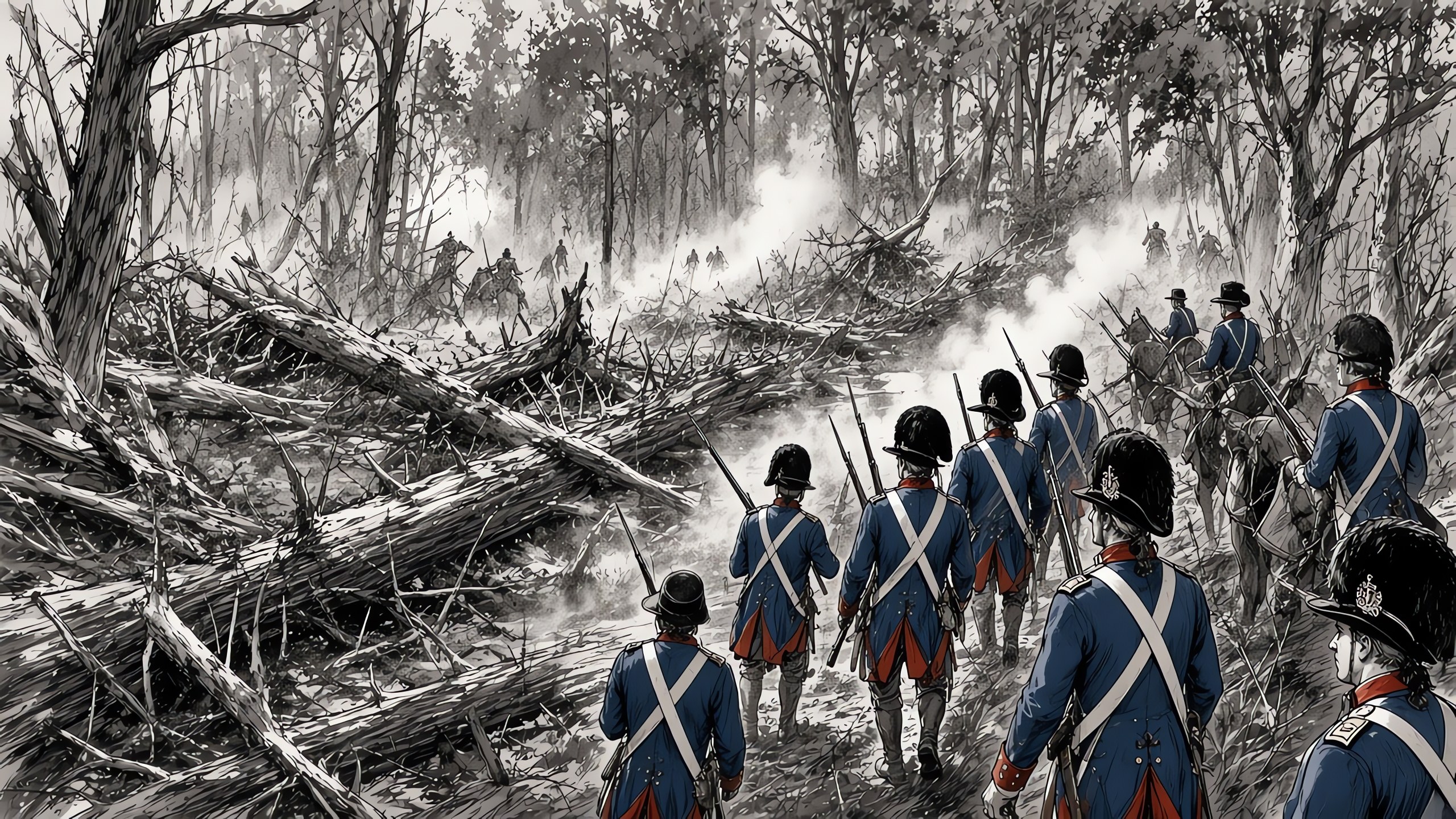
General Anthony Wayne’s Legion defeats the Northwestern Confederacy at the Battle of Fallen Timbers
Read moreOn August 20, 1794, American troops under General Anthony Wayne defeated a force of Native American warriors at the Battle of Fallen Timbers, near the Maumee River in what is now northwestern Ohio. The battle was the decisive clash of the Northwest Indian War.
After the Revolutionary War, Britain had handed the lands north of the Ohio River to the United States, but the Native nations living there had never agreed to give them up. Shawnee, Miami, Delaware, Wyandot, Ottawa, Ojibwe, Potawatomi and other peoples formed a loose alliance, often called the Northwestern Confederacy, to resist American settlement.
The confederacy won two great victories. In 1790 it defeated an American force under General Josiah Harmar, and in November 1791 it destroyed most of General Arthur St. Clair’s army near the Wabash River, killing more than 600 soldiers in one of the worst defeats the United States Army has ever suffered.
President George Washington then turned to Wayne, a Revolutionary War veteran. Wayne spent two years building and training a new force, the Legion of the United States, insisting on drill and discipline. In 1794 he advanced north from Fort Greenville, building forts as he went.
The confederacy’s leaders were divided. The Miami war leader Little Turtle urged peace, judging that Wayne’s army was too strong. The Shawnee leader Blue Jacket favored a fight, encouraged by the presence of a newly built British post, Fort Miamis, on the Maumee.
The warriors took up position in an area where a storm had knocked down many trees, which offered cover. When the Legion advanced on the morning of August 20, its infantry charged with bayonets while mounted troops worked around the flanks. Within about an hour the Native forces were driven from the field. American losses were roughly 30 killed and about 100 wounded.
Many of the retreating warriors fled toward Fort Miamis, but the British commander kept the gates closed, unwilling to start a war with the United States. The refusal deeply damaged Native trust in British support.
Wayne’s troops destroyed villages and crops along the Maumee before withdrawing. In August 1795 leaders of the confederacy signed the Treaty of Greenville, giving up most of what is now Ohio. Around the same time the Jay Treaty with Britain arranged for British troops to leave their posts on American soil.
Among the young officers at Fallen Timbers were William Clark, later of the Lewis and Clark Expedition, and William Henry Harrison, a future president. The battlefield is now a national historic site.
We strive for accuracy. If you see something that doesn't look right, click here to contact us!
 Contact Us
Sponsored Content
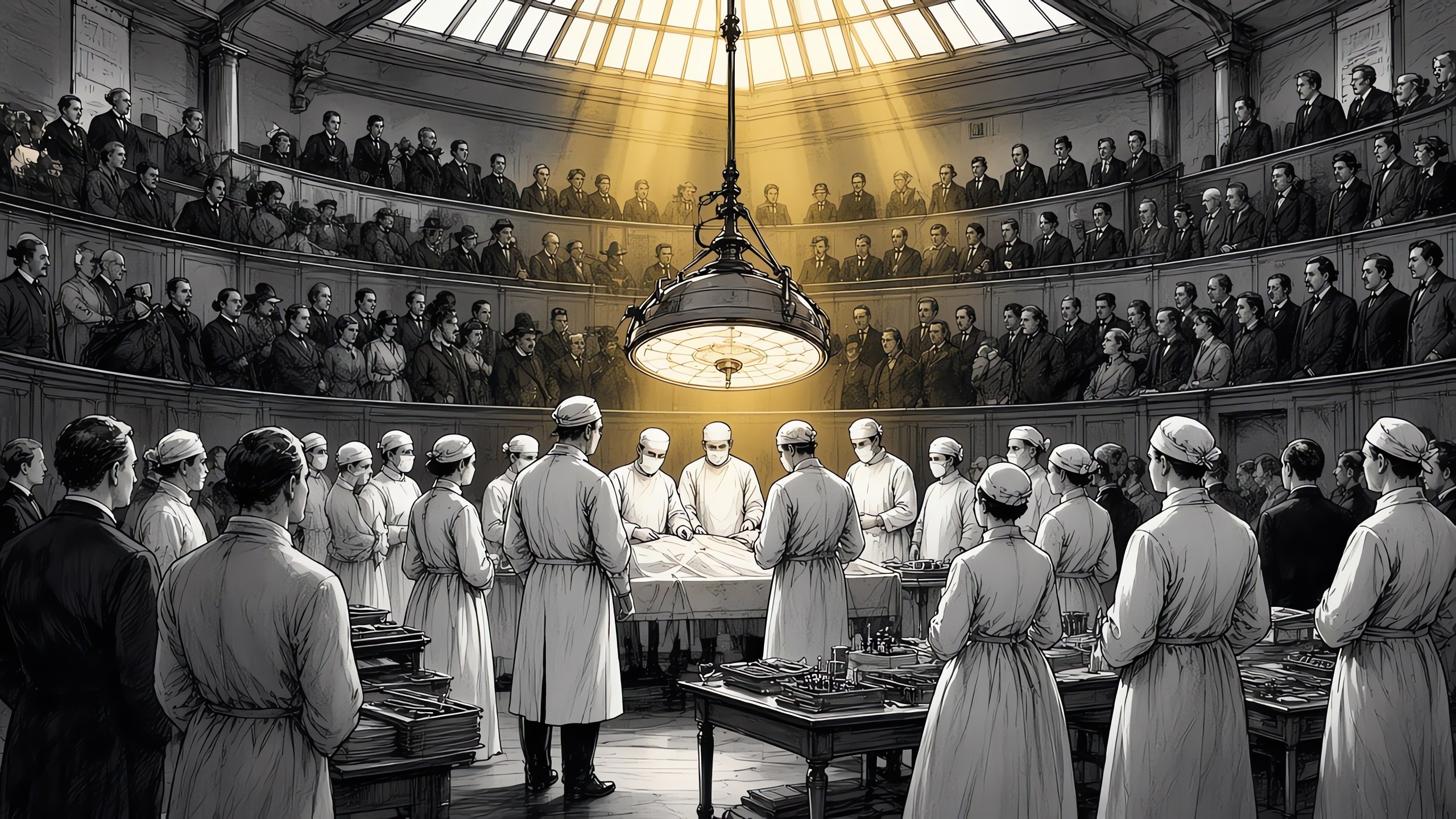
American College of Surgeons…
On November 25, 1912,…
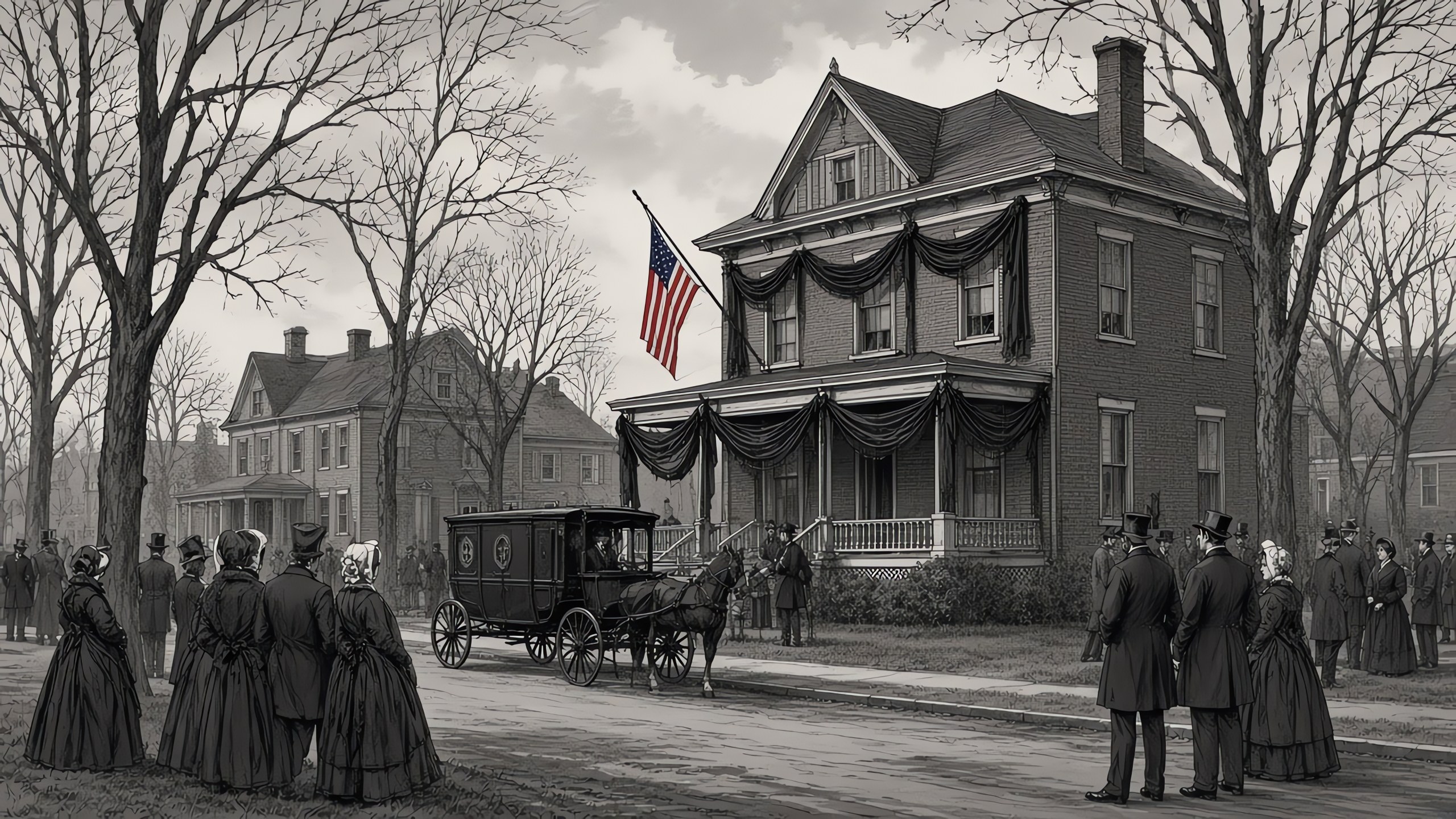
Thomas A Hendricks 21st…
Marking a pivotal moment…
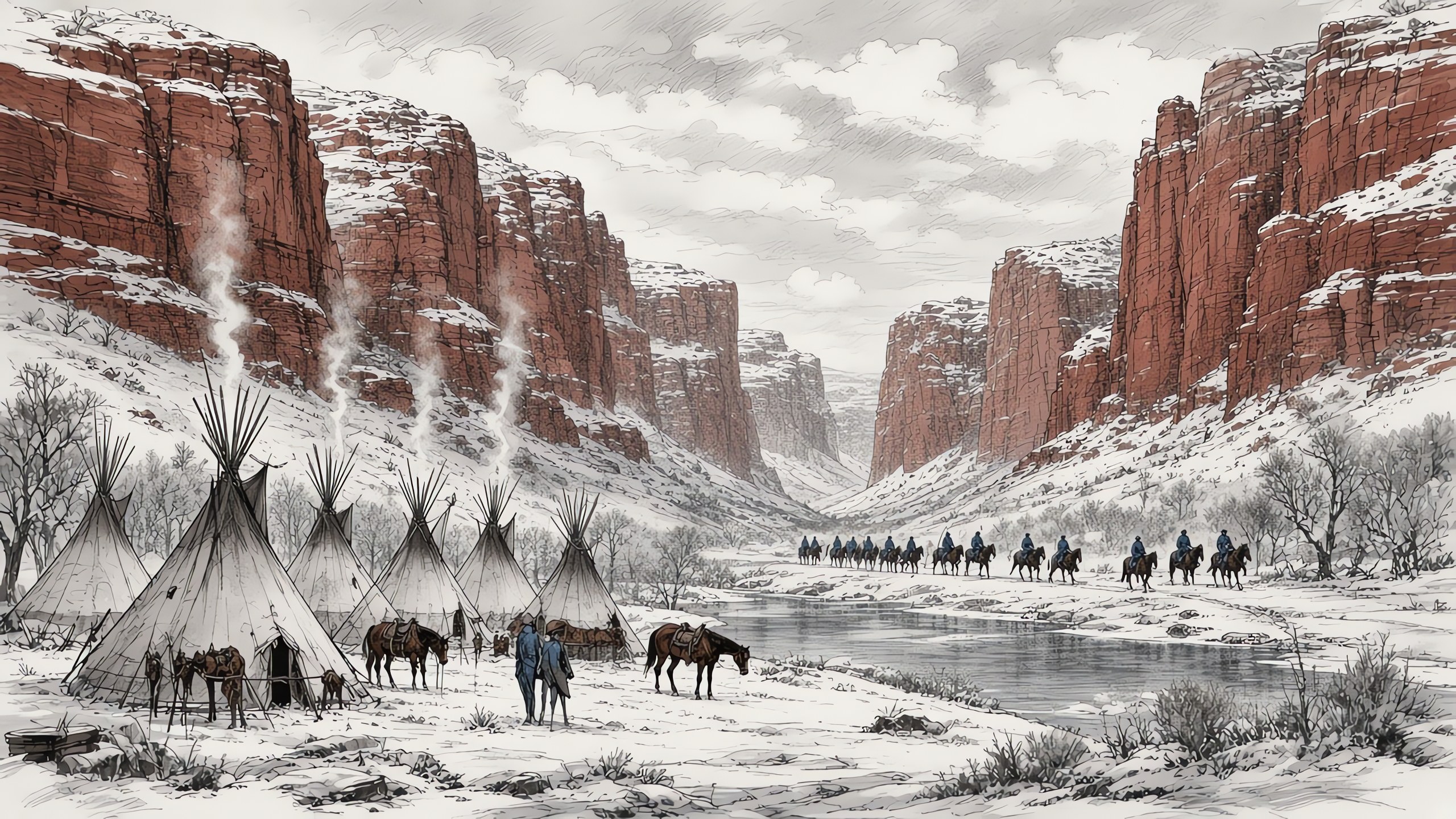
Indian Wars: United States…
Experience the historical event…
The United States Greenback…
Established on November 25,…
President John F. Kennedy…
On November 25, 1963,…
The last British troops…
On November 25, 1783,…
