
Flashback to August 25
World History

The history of China underwent a significant transformation on September 20th, 1954, when the First National People’s Congress adopted the Chinese constitution. This monumental event denoted not just the birth of a new constitutional framework but also symbolized a step forward in the journey of China into becoming the nation it is today.
To understand the historical context of this event, we must step back to the year 1949 when the People’s Republic of China was founded. This establishment manifestly shifted the political landscape from a republic to a socialist republic, creating an atmosphere that precipitated the need for a new constitution. The conclusion came in 1954 at the First National People’s Congress, an occasion that vividly painted a picture of Chinese political, social, and economic metamorphosis.
From the meticulous drafting to the final adoption, the constitution was produced and sanctioned by the esteemed First National People’s Congress. The assembly was paramount in Chinese history, establishing the country’s legislative framework and asserting its sovereignty. The First National People’s Congress had several significant objectives, but the adoption of the constitution topped the list, illustrating the Congress’s commitment to their responsibility to the people.
The 1954 Chinese constitution was instrumental in restructuring the government and society. It not only legally solidified China’s unique blend of socialism with Chinese specifics but also represented a distinct departure from Western political models. The constitution stipulated the government’s duties along with the citizens’ rights and obligations, effectively laying the foundation for modern-day Chinese law and order.
The constitution is a comprehensive embodiment of the CCP’s (Chinese Communist Party) ideology, discoursing its role and delineating the administrative divisions of the State. It reinforced the socialist system’s paramount significance, asserting that all power in the People’s Republic of China belongs to the people.
The implementation of the constitution embraced the socialist market economy, introducing a significant reform of the economic system. It fostered a relationship of synergy between the socialist public ownership of the means of production and the complementary sector of the economy. This integration injects vitality into the social and economic structure of the nation and, in turn, invigorates the economic progress and prosperity of the country.
In retrospect, the adoption of the Chinese constitution by the First National People’s Congress was a historic event of considerable significance in the socio-political arena. It was not only a turning point in the constitutional development of the People’s Republic of China but also a crucial determinant of the future of Chinese society. This event has had an enduring impact, shaping contemporary China and setting the stage for its transformation into a global powerhouse.
The legacy of the First National People’s Congress adopting the Chinese constitution continues to be celebrated and studied. It undeniably forms an integral part of modern Chinese history and law. Scholars, political experts, and historians all over the world delve into the depths of this event to understand how it has sculpted China and continues to shape its future.
the adoption of the Chinese constitution by the First National People’s Congress was a defining moment in the political, social, and economic history of China. It symbolizes the beginning of a new era in which the socialist-way became deeply embedded within the fabric of Chinese society. Today, it still stands as a stronghold, guiding the nation and orientating China towards a future of sustained development and prosperity. This event truly revolutionized the landscape of Chinese law, politics, and society, leaving an indelible mark on the course of history.
We strive for accuracy. If you see something that doesn't look right, click here to contact us!
 Contact Us
Sponsored Content
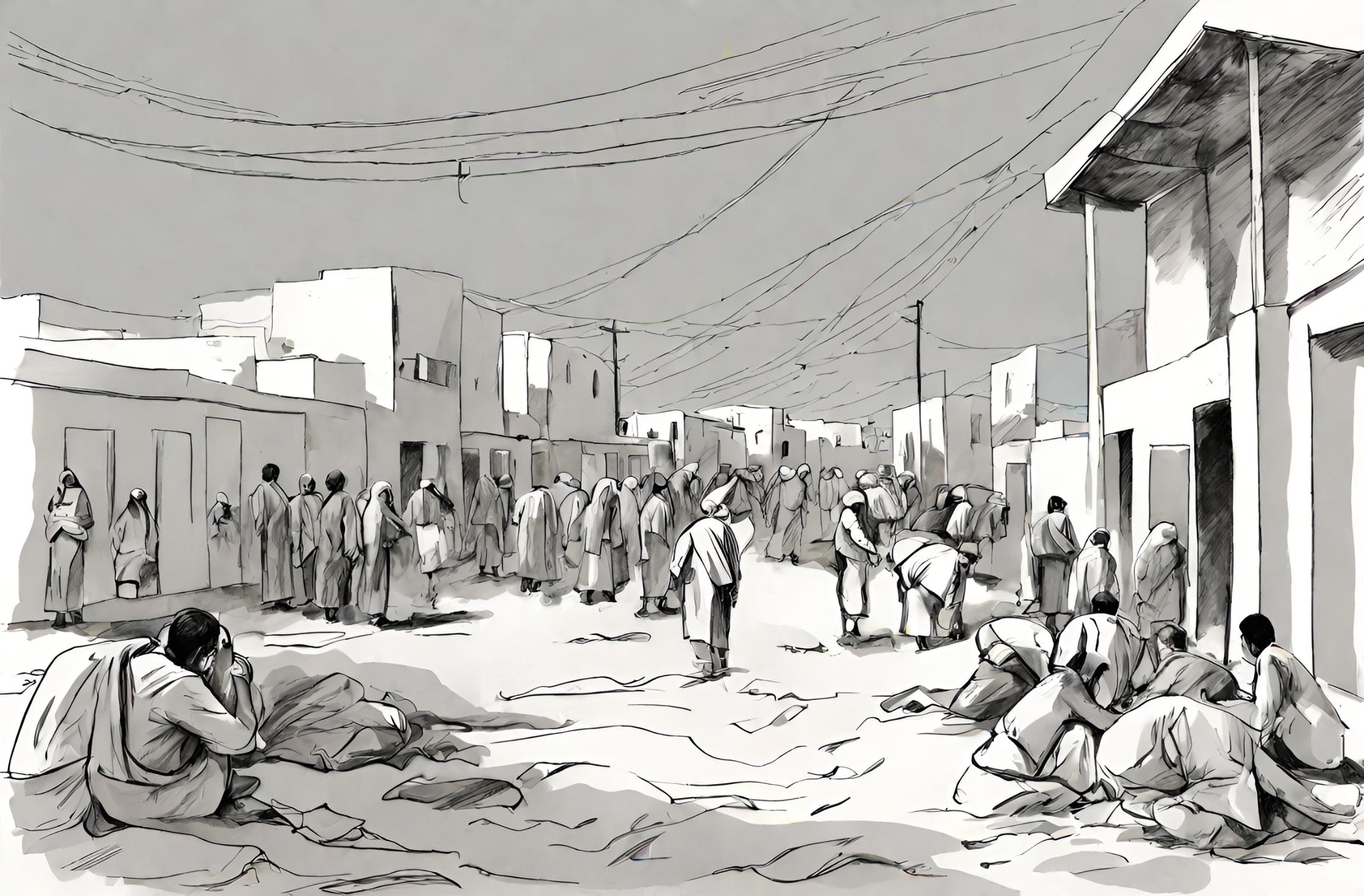
Afghanistan bomb kills 43…
The tragic bombing event…
The Kuomintang, the Chinese…
"Marking a pivotal moment…
In London, an Agreement…
"On August 25, 1939,…
Belarus declares independence from…
On August 25, 1991,…
United Nations security council…
On August 25, 1990,…
German commander of Paris,…
On August 25, 1944,…
