
Flashback to August 28
American History

On June 17, 1950, a groundbreaking medical event took place in Chicago, Illinois, USA – the first successful kidney transplant. This historic procedure paved the way for advancements in organ transplantation and gave hope to millions of patients suffering from end-stage renal disease. In this article, we will delve into the details of this event, its significance, and the impact it had on the field of medicine.
The first kidney transplant in Chicago was performed by a team of brilliant surgeons led by Dr. Richard Lawler and Dr. William Kountz at Little Company of Mary Hospital. The patient, 49-year-old Ruth Tucker, had been battling kidney disease for several years and was in desperate need of a new kidney. Her sister, Edith Willingham, courageously agreed to be the donor.
The surgical procedure lasted for several hours, during which Dr. Lawler carefully removed Edith’s healthy kidney and transplanted it into Ruth’s body. To prevent rejection, the doctors used an experimental technique known as tissue typing, which involved matching the blood types and tissue compatibility between the donor and the recipient. This innovative approach played a crucial role in the success of the transplant.
The news of the first kidney transplant spread rapidly, capturing the attention of the medical community worldwide. This landmark event marked a significant milestone in the field of organ transplantation, as it demonstrated the feasibility of replacing a malfunctioning kidney with a healthy one. The success of the surgery opened up new possibilities for patients suffering from kidney failure and brought hope to countless individuals who had previously been condemned to a life on dialysis.
Following the first kidney transplant, medical research in the field of organ transplantation gained momentum. Scientists and doctors worked tirelessly to refine surgical techniques, improve immune suppression drugs, and overcome the challenges associated with organ rejection. With each subsequent transplant, the success rates improved, and more lives were saved.
The impact of the first kidney transplant extended far beyond the immediate medical community. It inspired a shift in public perception towards organ donation and transplantation. People became more aware of the critical shortage of organ donors and the importance of registering as organ donors to help save lives. The event sparked a nationwide conversation about the ethics, laws, and regulations surrounding organ transplantation, leading to the establishment of comprehensive organ procurement and distribution systems.
Over the decades that followed, kidney transplantation became an increasingly common procedure, dramatically improving the quality of life for countless patients worldwide. The advancements made in immunosuppressive drugs have greatly reduced the risk of rejection, while the development of laparoscopic techniques has made the surgical procedure less invasive and recovery times shorter. Today, kidney transplantation is considered the gold standard treatment for end-stage renal disease, offering patients the possibility of a life free from dialysis.
the first successful kidney transplant in Chicago on June 17, 1950, was a monumental moment in medical history. It opened doors to further research and advancements in the field of organ transplantation. Through the dedication and innovation of medical professionals, kidney transplantation has now become a routine procedure, providing hope and improved quality of life for patients suffering from kidney failure. As we continue to celebrate this milestone, it is essential to honor the generous donors and their families, as well as support ongoing efforts to raise awareness about organ donation.
We strive for accuracy. If you see something that doesn't look right, click here to contact us!
 Contact Us
Sponsored Content
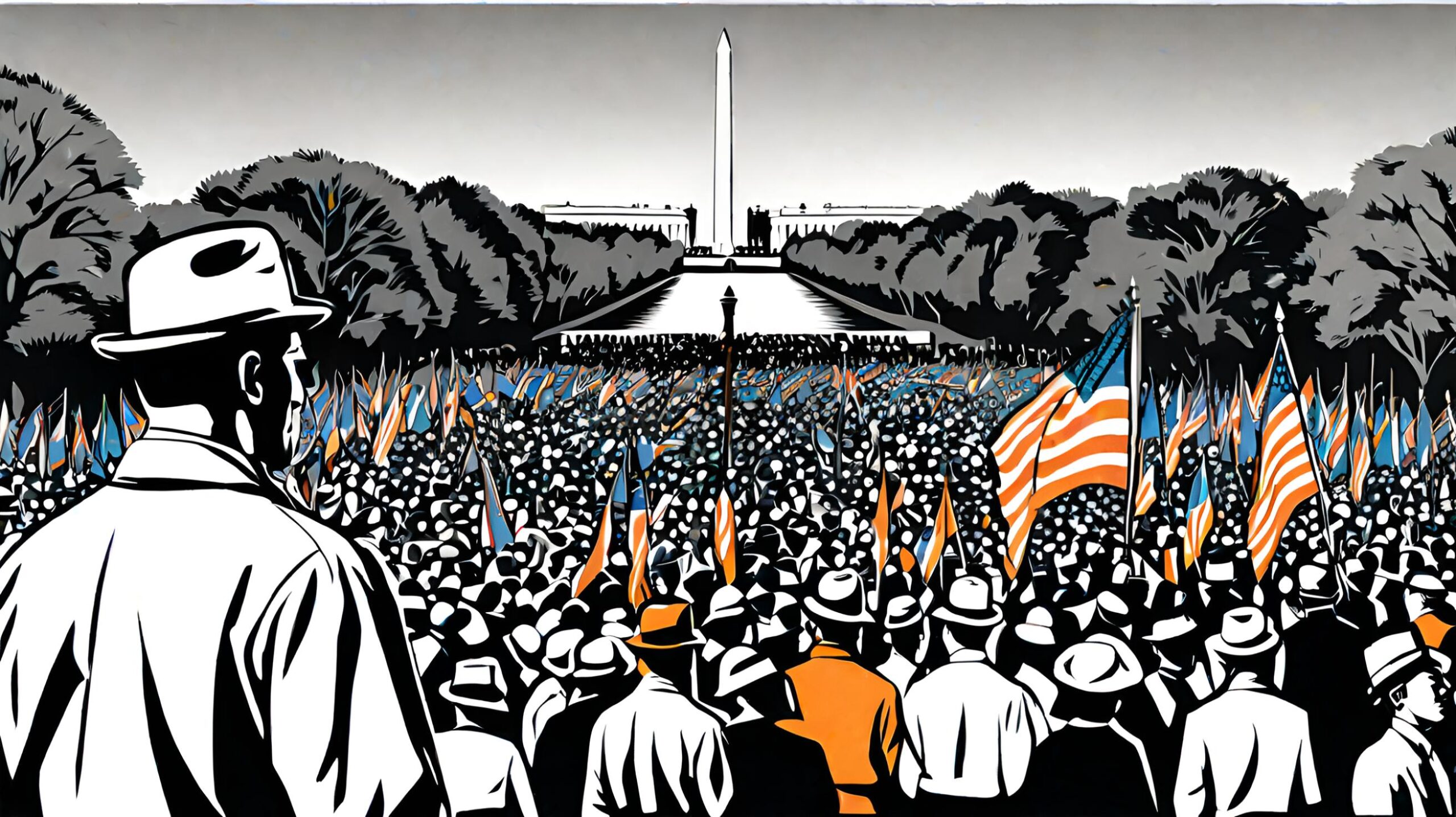
200,000 demonstrate for equal…
"An historic event took…
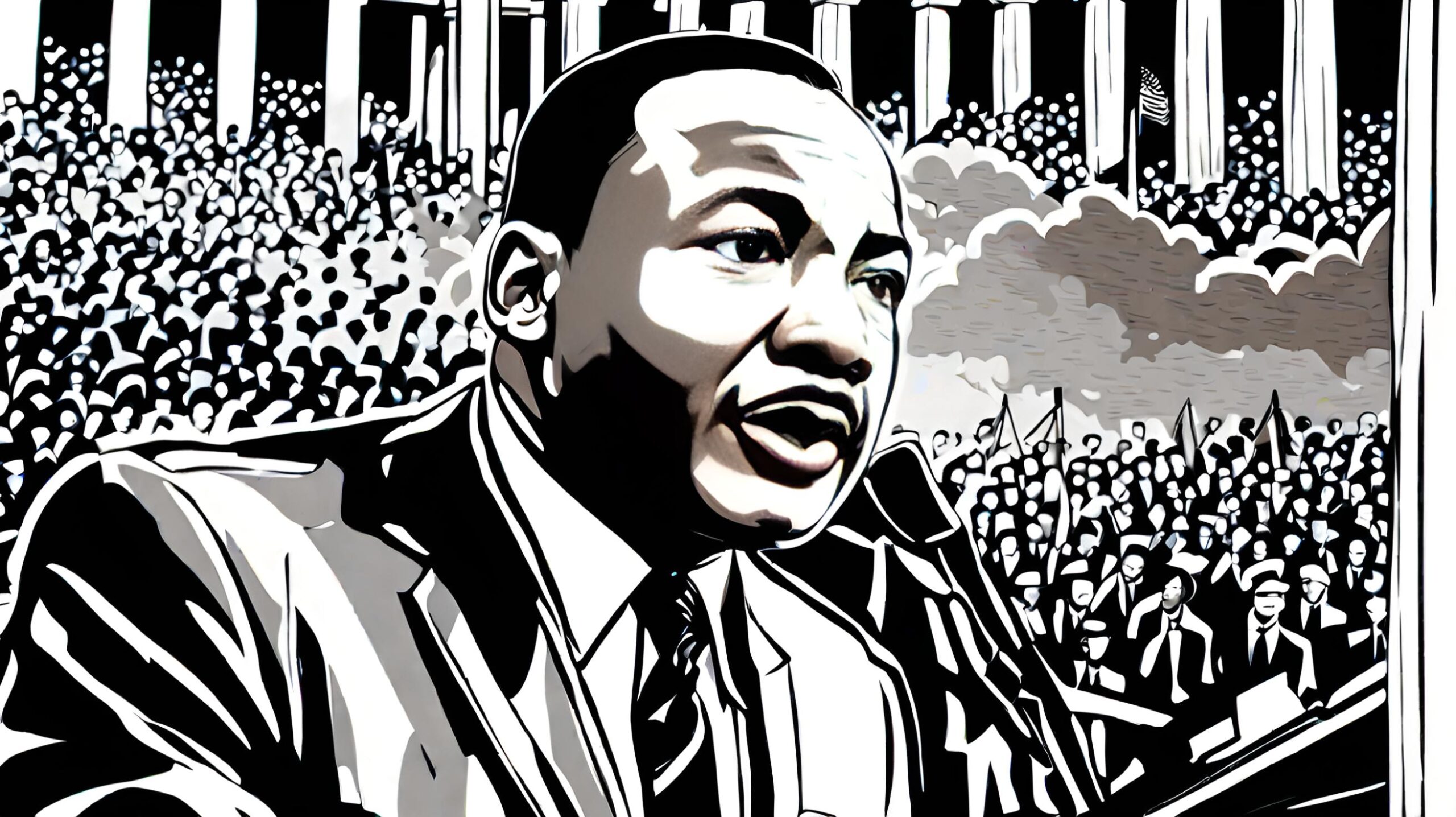
Martin Luther King, Jr.…
On August 28, 1963,…
First known photograph of…
"Experience the remarkable tale…
A drunk motorman speeds…
Experiencing one of its…
Riots in Chicago, Illinois,…
Explore the dramatic unfolding…
John Hinckley Jr pleads…
"On August 28, 1981,…
