
Flashback to May 13
World History

On May 13, 1949, history was made with the first test flight of the Canberra, the first British-produced jet bomber. This groundbreaking event marked a major milestone in aviation history and paved the way for future advancements in military aircraft. In this article, we will delve into the details of this significant event, highlighting its importance and impact on the aerospace industry.
The development of the Canberra began during World War II when the British government recognized the need for a high-altitude, long-range bomber. The design was heavily influenced by German research on swept-wing aircraft, which had been captured by Allied forces at the end of the war. The British aircraft manufacturer, English Electric, was tasked with bringing this innovative design to life.
After years of research and development, the prototype Canberra was ready to take to the skies. The test flight took place at the Royal Aircraft Establishment in Bedfordshire, England. As the aircraft soared into the sky, it showcased its advanced features, including its swept wings, which enabled it to fly faster and more efficiently than traditional straight-wing aircraft.
The success of the test flight marked a turning point in aviation history. The Canberra not only became the first British-produced jet bomber but also the first jet-powered aircraft to make use of an all-metal airframe. This breakthrough in design and engineering set a new standard for military aircraft, inspiring future generations of jet bombers and paving the way for the development of advanced supersonic bombers.
The Canberra’s exceptional performance and versatility made it an invaluable asset to the British Royal Air Force (RAF). Its ability to fly at high altitudes and carry heavy loads made it a formidable force in both reconnaissance and bombing missions. The Canberra played a crucial role in various conflicts, including the Suez Crisis and the Falklands War, reaffirming its status as one of the most successful aircraft of its time.
The success of the Canberra also had a profound impact on the aerospace industry as a whole. Its advanced design and groundbreaking technologies set new benchmarks for future aircraft development. The lessons learned from the Canberra’s design influenced subsequent generations of military aircraft, with many of its features being incorporated into later aircraft designs.
Furthermore, the Canberra’s success paved the way for international collaboration and exports. Recognizing its potential, English Electric partnered with the American aircraft manufacturer, Martin, to produce the Canberra for the United States Air Force. This collaboration led to the production of a modified version of the aircraft, known as the Martin B-57 Canberra, which served extensively during the Vietnam War.
Overall, the first test flight of the Canberra on May 13, 1949, was a momentous occasion that revolutionized aviation. Its advanced design, exceptional performance, and significant impact on military operations solidified its place in history. The success of the Canberra paved the way for future advancements in military aircraft, pushing the boundaries of what was previously thought possible.
Today, the Canberra is regarded as an iconic aircraft that played a vital role in shaping the modern military aviation landscape. It stands as a testament to the power of innovation, perseverance, and international collaboration. The legacy of the Canberra continues to inspire and influence aircraft designers, ensuring that its contributions to aviation history are never forgotten.
We strive for accuracy. If you see something that doesn't look right, click here to contact us!
 Contact Us
Sponsored Content
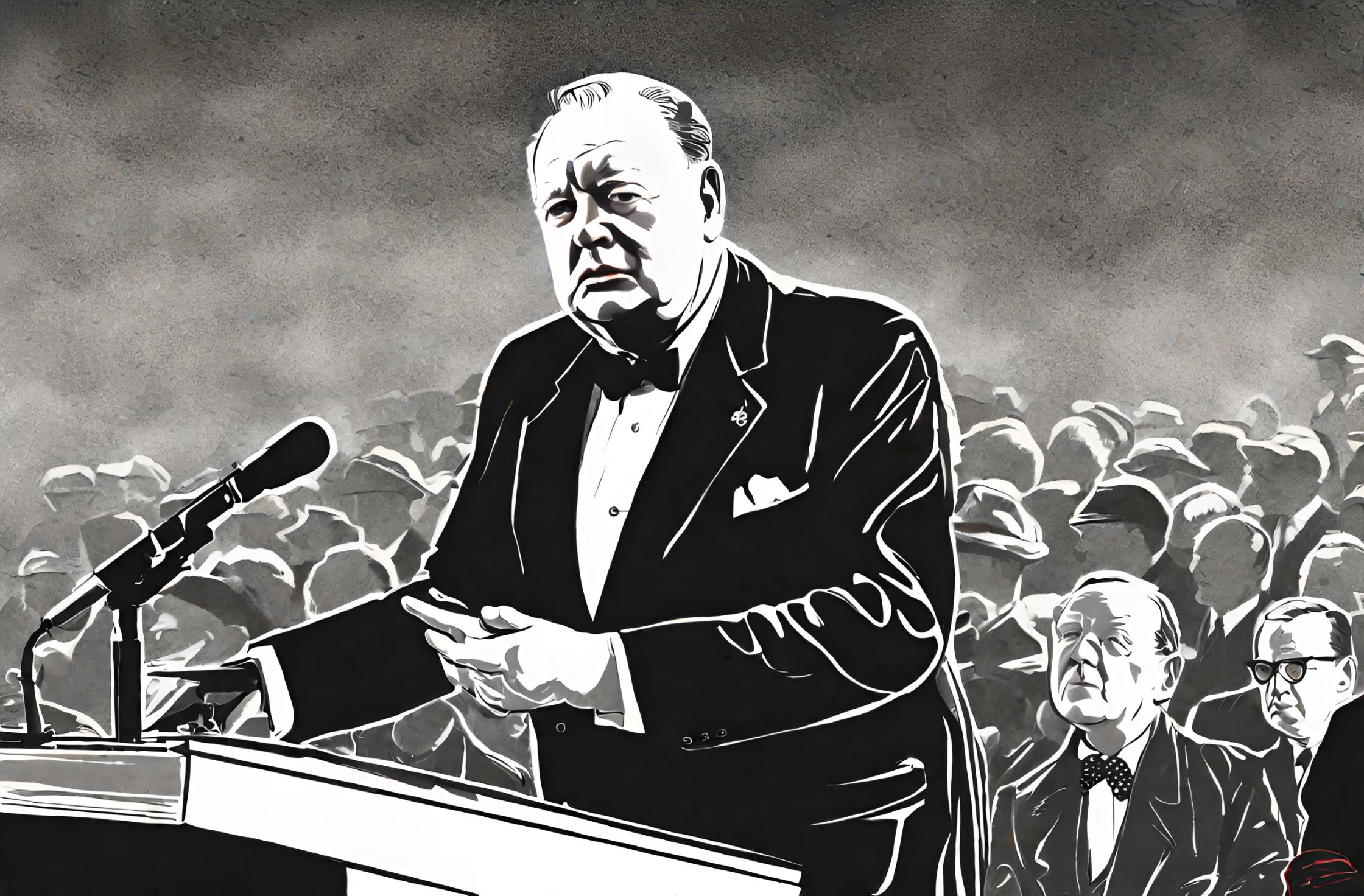
Churchill says “I have…
On May 13, 1940,…
US performs atmospheric nuclear…
On May 13, 1954,…
First British-produced jet bomber,…
On May 13, 1949,…
Severe thunderstorms and a…
On May 13, 1996,…
Captain Arthur Phillip leaves…
On 5/13/1787, Captain Arthur…
Labour Party wins British…
The Labour Party emerged…
