
Flashback to April 15
American History
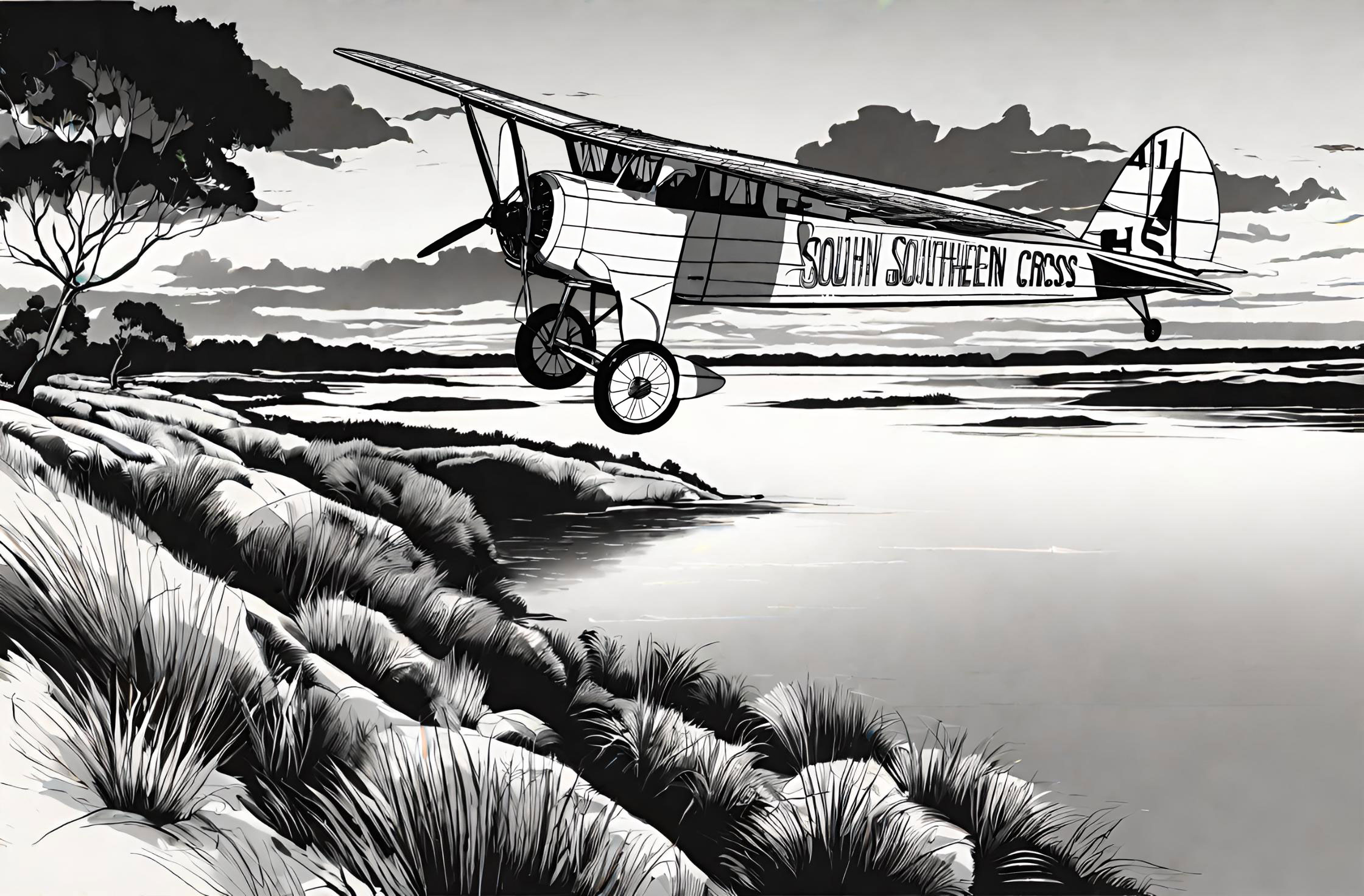
The first aerial cross of the Pacific took off from Oakland, California on May 31, 1928, marking a historic moment in aviation history. This groundbreaking event captivated the world and showcased the progress and possibilities of flight.
The transpacific flight was planned and executed by two experienced aviators, Charles Kingsford Smith and Charles Ulm. They embarked on their journey in the Southern Cross, a Fokker F.VIIb/3m monoplane specially equipped for long-distance flights.
The significance of this flight cannot be overstated. Crossing the vast expanse of the Pacific Ocean, which spans over 10,000 kilometers, presented numerous challenges and risks. It required meticulous planning, skilled navigation, and unwavering determination.
The flight was not without obstacles. The Southern Cross faced treacherous weather conditions, including strong winds and turbulent air currents. The aviators had to navigate through fog, rain, and stormy weather. Moreover, flying over open water posed a constant threat in case of emergency or mechanical failure.
The journey, which lasted over three days, tested the limits of human endurance and technological capabilities at the time. However, Kingsford Smith and Ulm persevered, utilizing their experience and expertise to safely cross the Pacific.
Their successful landing in Brisbane, Australia on June 9, 1928, was met with jubilant celebrations and international acclaim. The flight became a symbol of the triumph of human ingenuity and the relentless pursuit of exploration.
The achievement of Kingsford Smith and Ulm paved the way for future advancements in transoceanic aviation. Their flight demonstrated that long-distance air travel was not only possible but also economically viable. This realization opened new possibilities for trade, travel, and cultural exchange between nations across the Pacific.
Following this historic flight, air routes began to crisscross the Pacific, connecting continents and cultures. The transpacific flight became a catalyst for further innovations in aviation technology, fueling the development of more advanced aircraft and navigation systems.
It is worth noting that the first aerial cross of the Pacific was not without its controversies. There were disagreements regarding the exact route taken by Kingsford Smith and Ulm, with some suggesting that they deviated from their planned path. However, these controversies did not overshadow the significance of their achievement.
The flight of the Southern Cross marked a turning point in the history of aviation, inspiring future generations of pilots and engineers. It showcased the potential of flight as a means of global connectivity and paved the way for the modern aviation industry we know today.
We strive for accuracy. If you see something that doesn't look right, click here to contact us!
 Contact Us
Sponsored Content

Largest lottery win to…
On April 15, 1989,…
