
Flashback to August 17
American History
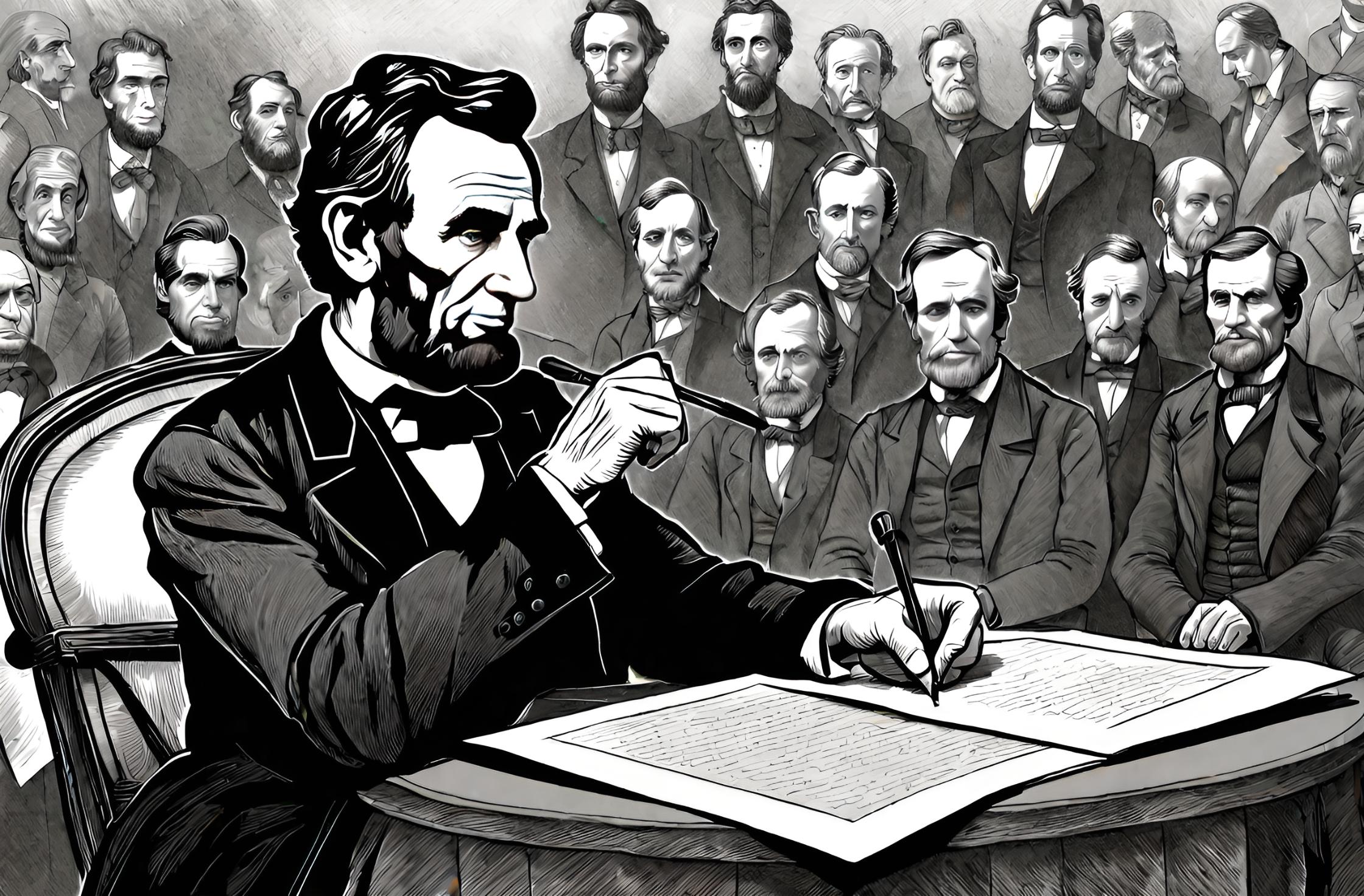
The Emancipation Proclamation, signed on August 16, 1863, remains one of the most revered milestones in American history. Transforming the Civil War, this decree not only layered an additional humanitarian aspect to the conflict but also paved the way for the ultimate abolition of the institution of slavery.
The Emancipation Proclamation initially came to fruition on the heels of budding tension and a grim Civil War conflict. By the year 1863, the United States was profoundly divided, with pressing concerns around the institution of slavery casting long shadows across a nation grappling with sociopolitical unrest. President Abraham Lincoln, emboldened by his determination to unite the states and dissolve the practice of slavery, decided to forward a revolutionary decree.
The signing of the Emancipation Proclamation in 1863 transformed the trajectory of the Civil War and redefined the struggle for equality and freedom in the United States. In essence, it declared that all slaves in Confederate-held territory were to be set free – this did not explicitly free any slaves immediately as it excluded areas under Union control. However, the true strength of this decree lay in its symbolic and long-term impact, charging the Union’s cause with a moral resolution and inspiring slaves to flee towards the Union armies in a bid for their newfound freedom.
This executive order further dealt a strategic blow to the Confederacy. With the slaves gaining their freedom, the economic and manpower pillars underpinning the Confederate resistance were dramatically weakened. This strategic move ultimately marginalized the Confederacy, deterring international recognition and support from countries like Britain and France, which had already abolished slavery.
The magnitude of the Emancipation Proclamation extends far beyond its immediate implications within the context of the Civil War. This unprecedented executive order propounded the cause of abolition into the national consciousness, setting the groundwork for the eventual ratification of the 13th Amendment in 1865. The 13th Amendment irrevocably outlawed slavery and involuntary servitude in the United States, affirming the values of equality and freedom as fundamental American ideals.
While the Emancipation Proclamation did not immediately grant freedom to all enslaved African Americans, it was the bedrock upon which the abolition movement built its profound transformation. The order reaffirmed the belief in a ‘new birth of freedom,’ profoundly influencing the course of American society and, in turn, the world at large.
We strive for accuracy. If you see something that doesn't look right, click here to contact us!
 Contact Us
Sponsored Content

South Bend, Indiana jury…
"Joseph Paul Franklin, proclaimed…
Addiction: First meeting of…
Explore the history of…
US takes Los Angeles.
On August 17, 1846,…
Robert Fulton’s first American…
"Marking a pivotal moment…
American Civil War: Battle…
In a pivotal moment…
Category 5 Hurricane Camille…
"Experience the brutal devastation…
