
Flashback to May 24
World History
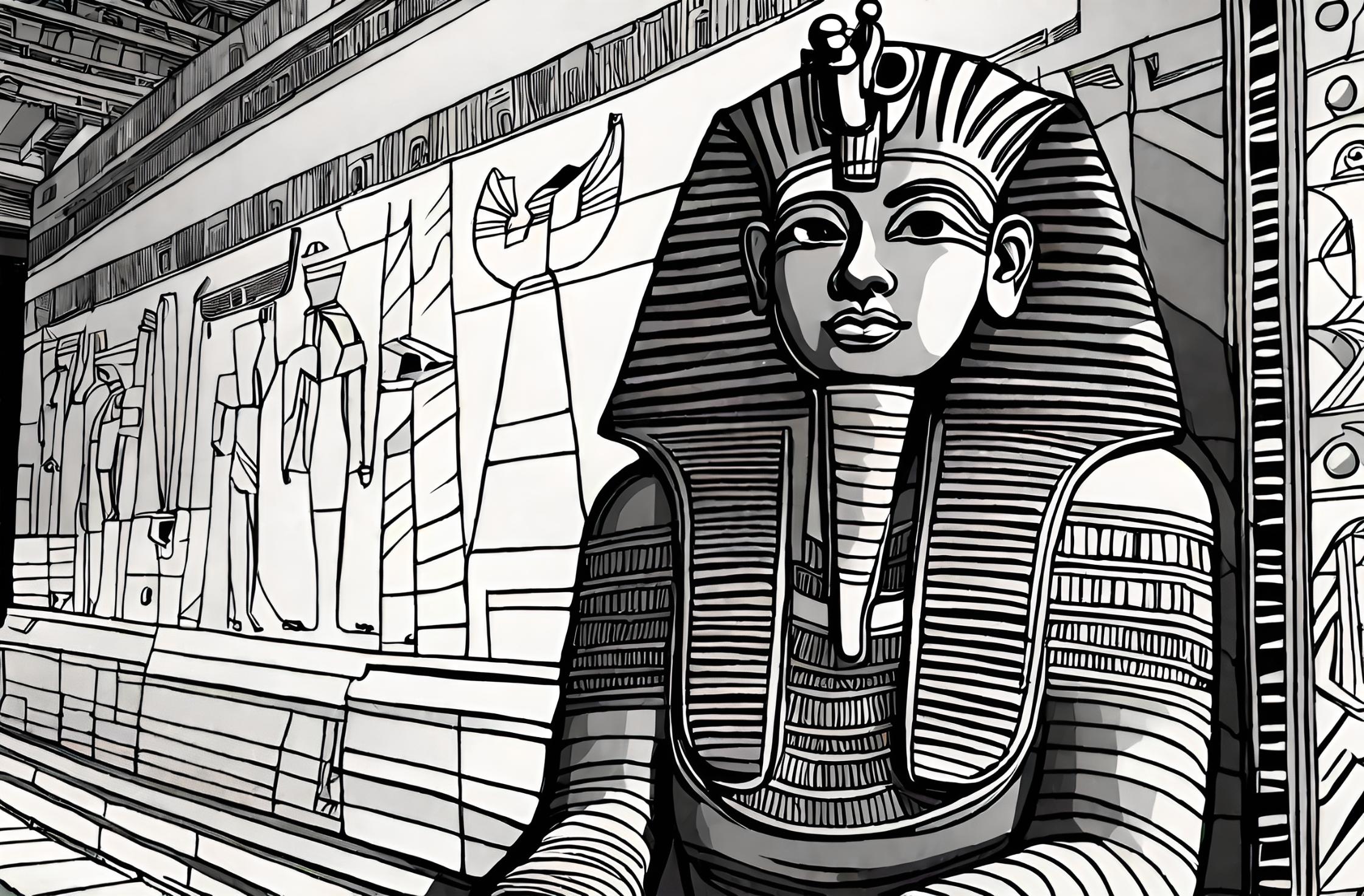
In the vast timeline of world history, certain events stand prominent, reshaping the course of learning and cultural understanding. One defining moment that continues to awe historians and Egyptologists globally is the discovery of Tutankhamun’s tomb. This significant event puts a significant marker on November 4, 1922, opening an unprecedented window into the realm of ancient Egypt.
The discovery of Tutankhamun’s tomb, resting in the heart of the Valley of the Kings near Luxor, marked a consequential milestone in archeological history. The man behind this monumental discovery was British archeologist Howard Carter, whose tenacity to decipher the mysteries buried underneath the Earth’s crust led him to the doors of this Egyptian boy-king’s final resting place. Thanks to Carter’s unfailing commitment, the world was introduced to the wealth of knowledge about the 18th Dynasty of ancient Egypt and its enigmatic pharaoh, King Tutankhamun.
Understanding the cultural and historical implications of this discovery necessitates highlighting the tomb’s breathtaking array of artifacts. Over 5,000 objects of immense historical significance were found within the four chambers of the tomb. These included the crown jewel of the discovery, Tutankhamun’s golden mask, along with chariots, thrones, and minutely detailed statuettes, all intended to aid the young Pharaoh in his afterlife. Through these rich finds, modern civilization had a considerably better understanding of ancient Egyptian funerary customs, rituals, art, and culture.
Tutankhamun’s tomb was especially unique since it surfaced almost untouched. Over the course of history, many Egyptian tombs fell prey to grave robbers, stealing priceless artifacts and altering the original arrangements of these burial sites. In contrast, King Tut’s tomb offered an authentic snapshot of the past, practically unspoiled and intact. Though it was the smallest royal tomb found in the Valley of Kings, its discovery was notably the most influential, providing resources that allowed researchers to glimpse into the gloriously rich world of ancient Egypt.
Apart from the cultural implications, unveiling the tomb of Tutankhamun also meant startling advancements in the field of technology. The technological expertise exhibited in creating these intricate funeral artifacts is awe-inspiring, even with today’s standards. The tomb is, therefore, not merely a graveyard, but an eloquent testimony to a civilization’s technological acumen, their appreciation of art, and their beliefs about life and death.
When it comes to research, the tomb has provided a mine of information about the little-known Tutankhamun. He ascended the throne at nine years of age and ruled for a brief period of ten years. Thanks to his intact tomb, archeologists were able to unearth salient details about his reign that might have otherwise remained concealed in the sands of time.
However, along with discovery came controversy, spurring the longstanding “Curse of the Pharaoh”. The early demise of several members involved in the tomb’s excavation fed into the mythical legend. Notwithstanding these controversies, the event spurred pioneering work in the field of archaeology, setting the stage for future endeavors.
Renowned for his contribution, Howard Carter’s assertions continue to resonate with archeologists, historians, and enthusiasts worldwide. His groundbreaking excavation fanned the flames of fascination in people around the world, igniting a newfound interest in ancient Egypt that persists to date.
the discovery of Tutankhamun’s tomb on November 4, 1922, is a monumental event in archeological history, stinging curiosity and fascination around the ancient civilization. It continues to provide remarkable insights into ancient Egyptian culture, life, and death. While the sands of Egypt still have countless secrets to reveal, the discovery of Tutankhamun’s tomb undoubtedly sheds light on the rich, complex, and profound heritage of this ancient civilization, painting a vivid picture from over 3000 years ago.
We strive for accuracy. If you see something that doesn't look right, click here to contact us!
 Contact Us
Sponsored Content

Eritrea gains its independence…
On May 24, 1993,…
Iranian troops retake Khorramshahr.
On 5/24/1982, Iranian troops…
Stanko Vraz [Jakob Frass]…
On May 24, 1851,…
Fred Sinowatz succeeds Bruno…
On May 24, 1983,…
Students set fire to…
On May 24, 1968,…
Kurd rebellion kills 33…
In a tragic event…
