
Flashback to August 26
American History
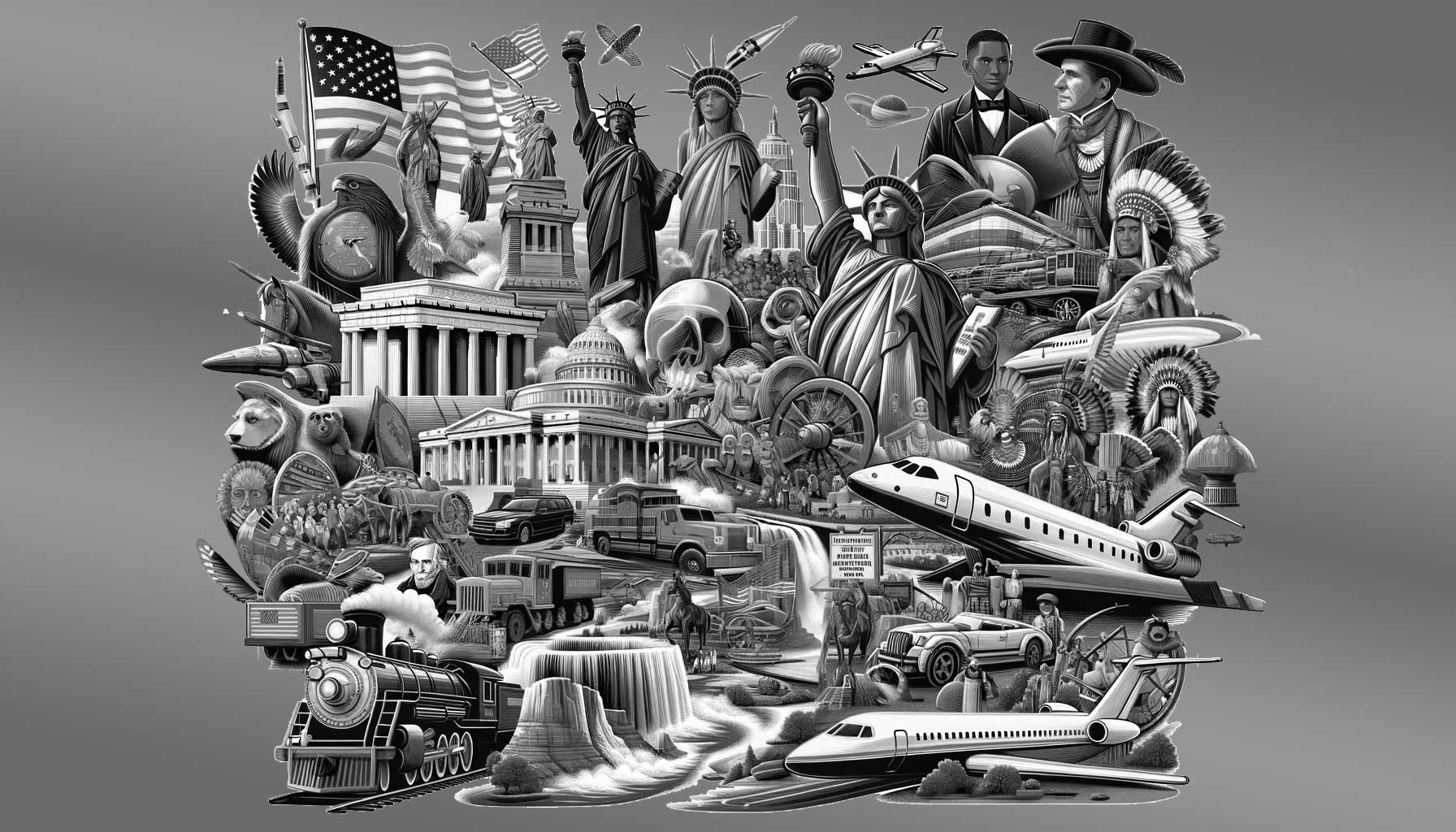
The iconic event known as the Democratic National Convention of 1968 is undoubtedly one of the most memorable political conventions in the history of the United States. In the heart of America, Chicago, Illinois was chosen as the perfect landscape to host this historical event on the 26th of August.
The Democratic National Convention 1968, or DNC ’68 as it is colloquially called, remains a significant topic of interest and continues to be a point of reference in the annals of American political history. Coming together during a time of great social and political unrest, the event boasted a unique blend of drama, passion, and appearances by some of the most influential personalities of the late 60s.
Chicago, Illinois, despite being a bustling metropolis might have initially seemed an unusual pick for such an event. Yet, this selection was strategic, as Chicago at the time was an archetype of urban America. This major city offered an opportunity for the Democratic Party to display unity and strength in the face of opposition, showcasing its resilience in the midst of a turbulent period for the country.
Furthermore, the city of Chicago, rich in cultural and historical significance, was under the control of Mayor Richard J. Daley, a staunch Democrat, who used his political influence to secure the convention. The selection of Chicago as the host city added a fascinating backdrop and narrative to the DNC 1968, which unfolded under its skyscraper adorned skyline.
Surrounding the convention itself, the streets of Chicago were a tableau of the socio-political changes sweeping across the nation. Protesters advocating for an end to the Vietnam War converged in large numbers, pushing boundaries and asserting their First Amendment rights. This confluence of political demonstrations around the time of Democratic National Convention opened a new precedent in the public involvement and political discourse.
At the heart of the Democratic National Convention, the political dynamics were stark, making the event jam-packed with notable figures and hot-button issues. The convention’s purpose was to secure and endorse a candidate for the upcoming presidential election. It was amidst the backdrop of the Vietnam War and the civil rights movement when the convention found its nominee in Vice President Hubert Humphrey, who was later defeated by Richard Nixon in the general election.
Now, more than five decades later, the images from the Democratic National Convention have reverberated through time. The images of police clashing with protesters, impassioned speeches, and general mass unrest are still etched in the public consciousness. The DNC 1968 remains a pivotal moment in history, illustrating profound shifts in the Democratic Party and the broader political and cultural landscape of America.
The legacy of the convention resonates even now, shaping the politics of the present day. The convention’s influence and powerful images have continued to fuel political activism, serving as a touchstone moment that continues to inspire contemporary movements and debates in America.
The Democratic National Convention 1968 is also vastly known for bringing changes to the American political process. This convention instigated significant changes in how Democratic candidates are chosen, shifting the dynamics from party delegates to the voting public. The ripple effects of the convention, therefore, have been substantial and have marked a watermark in the history of American politics.
Over five decades later, the Democratic National Convention of 1968 in Chicago, Illinois, stands as a significant chapter in the United States’ political history. This event embodies an era of rapid change, societal struggle, and rising activism that has etched itself into the conscience of the nation, influencing its politics for generations to follow. Chicago remains a living testament of this momentous event, a city that watched history unfold within its borders during the late summer days of 1968.
We strive for accuracy. If you see something that doesn't look right, click here to contact us!
 Contact Us
Sponsored Content
Nineteenth Amendment
Commemorate the milestone in…
Democratic National Convention opens…
Experience the historical significance…
American Civil War: The…
On August 26, 1862,…
NASA launches Telesat-F.
Experience the thrill of…
