
Flashback to April 15
World History

On July 26, 1957, the world witnessed a shocking event as Carlos Castillo Armas, the dictator of Guatemala, was assassinated. The assassination of Castillo Armas sent shockwaves throughout the region and had a significant impact on the political landscape of Guatemala. In this article, we will delve into the details of the event, its aftermath, and the legacy left behind by the assassination.
Carlos Castillo Armas rose to power in 1954, following a coup that ousted the democratically elected president, Jacobo Arbenz. Armas, a former army officer, led a rebel army known as the “Liberation Army” and gained support from the United States government, particularly the Central Intelligence Agency (CIA), to overthrow the Arbenz regime. He was installed as the leader of Guatemala and immediately implemented policies to consolidate his power.
However, Armas’ dictatorship was met with widespread opposition from various factions, including leftist groups, labor unions, and indigenous communities who felt marginalized under his rule. This opposition grew over time, leading to increased tensions in the country.
The assassination of Carlos Castillo Armas took place in Guatemala City’s National Palace. Luis Turcios Lima, a military officer and member of the Revolutionary Action Party (PAR), shot and killed the dictator during a meeting in his office. Turcios Lima claimed responsibility for the assassination and cited the need to resist Armas’ oppressive regime as his motive.
The immediate aftermath of the assassination saw a state of chaos in Guatemala. The government declared a state of emergency and imposed martial law to maintain control. The military cracked down on opposition groups, leading to widespread arrests, disappearances, and human rights abuses. Additionally, the country experienced political instability as different factions vied for power and control.
Internationally, the assassination of Carlos Castillo Armas raised concerns about the political situation in Guatemala. The United States, which had supported Armas’ rise to power, expressed unease over the potential for further violence and instability in the region. Other countries in Latin America closely watched the events unfold, wary of similar uprisings in their own nations.
In the long term, the assassination of Carlos Castillo Armas had a profound impact on Guatemala’s political landscape. It exposed the deep divisions within Guatemalan society and demonstrated the underlying tensions that had been brewing during Armas’ rule. It also led to a period of further political turmoil, as different factions and military leaders competed for power.
The assassination set the stage for a series of military-led governments and dictatorships in Guatemala, perpetuating a cycle of violence and human rights abuses that would plague the country for decades. It also further strained relations between Guatemala and the United States, as the latter faced backlash for its involvement in Armas’ rise to power.
Today, the legacy of Carlos Castillo Armas and his assassination remains a contentious topic in Guatemala. While some view him as a hero who fought against communism and sought to restore order, others see him as a brutal dictator who perpetuated violence and repression. The event continues to shape the country’s political discourse, highlighting the importance of justice, human rights, and democracy.
the assassination of Carlos Castillo Armas on July 26, 1957, was a pivotal moment in Guatemala’s history. It marked the end of his dictatorship and set in motion a series of events that would significantly impact the political landscape of the country. The assassination exposed the underlying tensions and divisions within Guatemalan society and triggered a period of political instability. Its legacy continues to shape Guatemala’s quest for justice, human rights, and democracy.
We strive for accuracy. If you see something that doesn't look right, click here to contact us!
 Contact Us
Sponsored Content
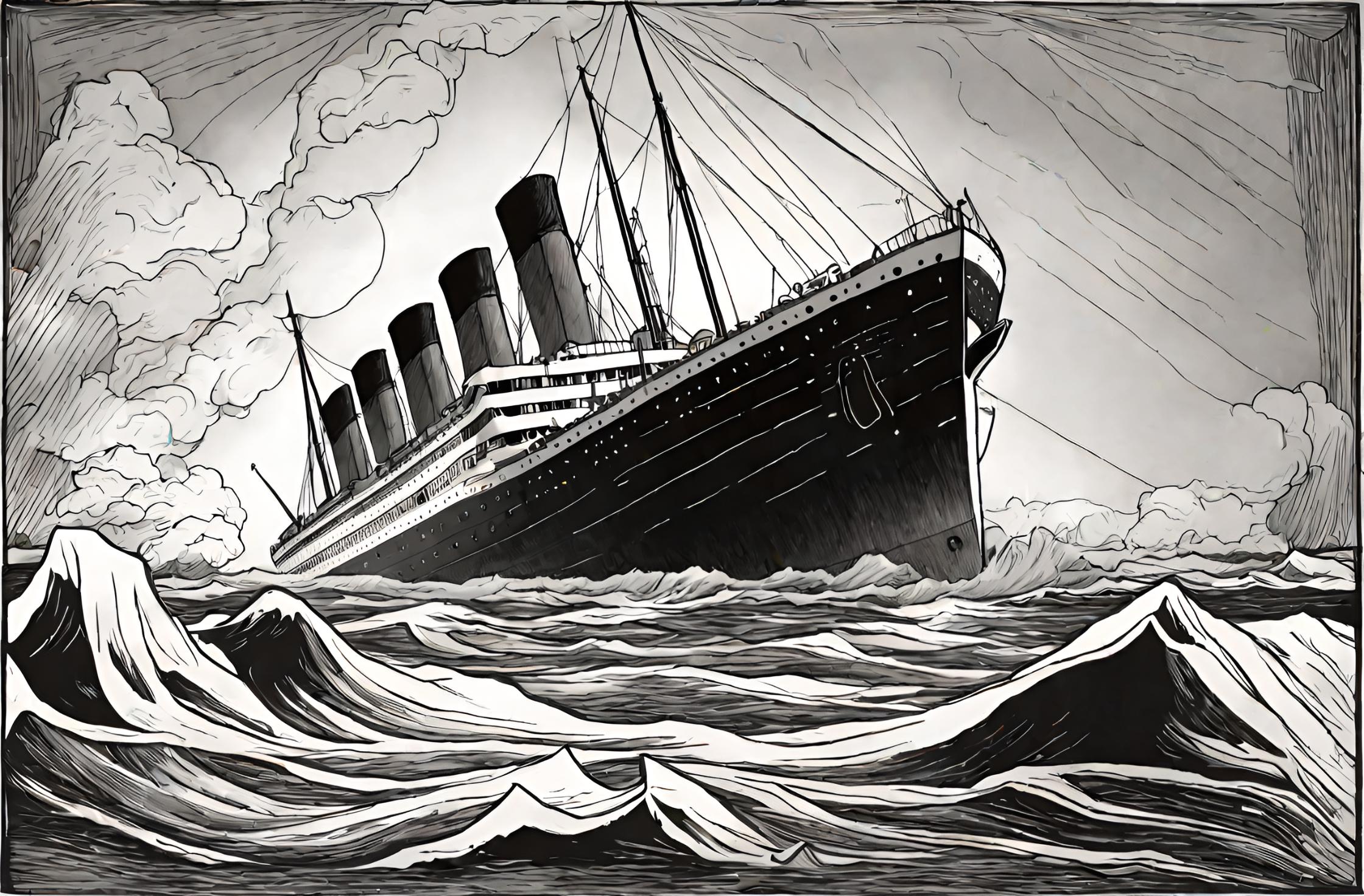
RMS Titanic sinks at…
On April 15, 1912,…
International Exposition opens in…
The International Exposition in…
Otto Brenner, German trade…
Otto Brenner, a prominent…
Ian Smith becomes premier…
On April 15, 1964,…
Earl G Andrßssy sentenced…
On April 15, 1851,…
The Bergen-Belsen concentration camp…
On April 15, 1945,…
