
Flashback to November 27
American History
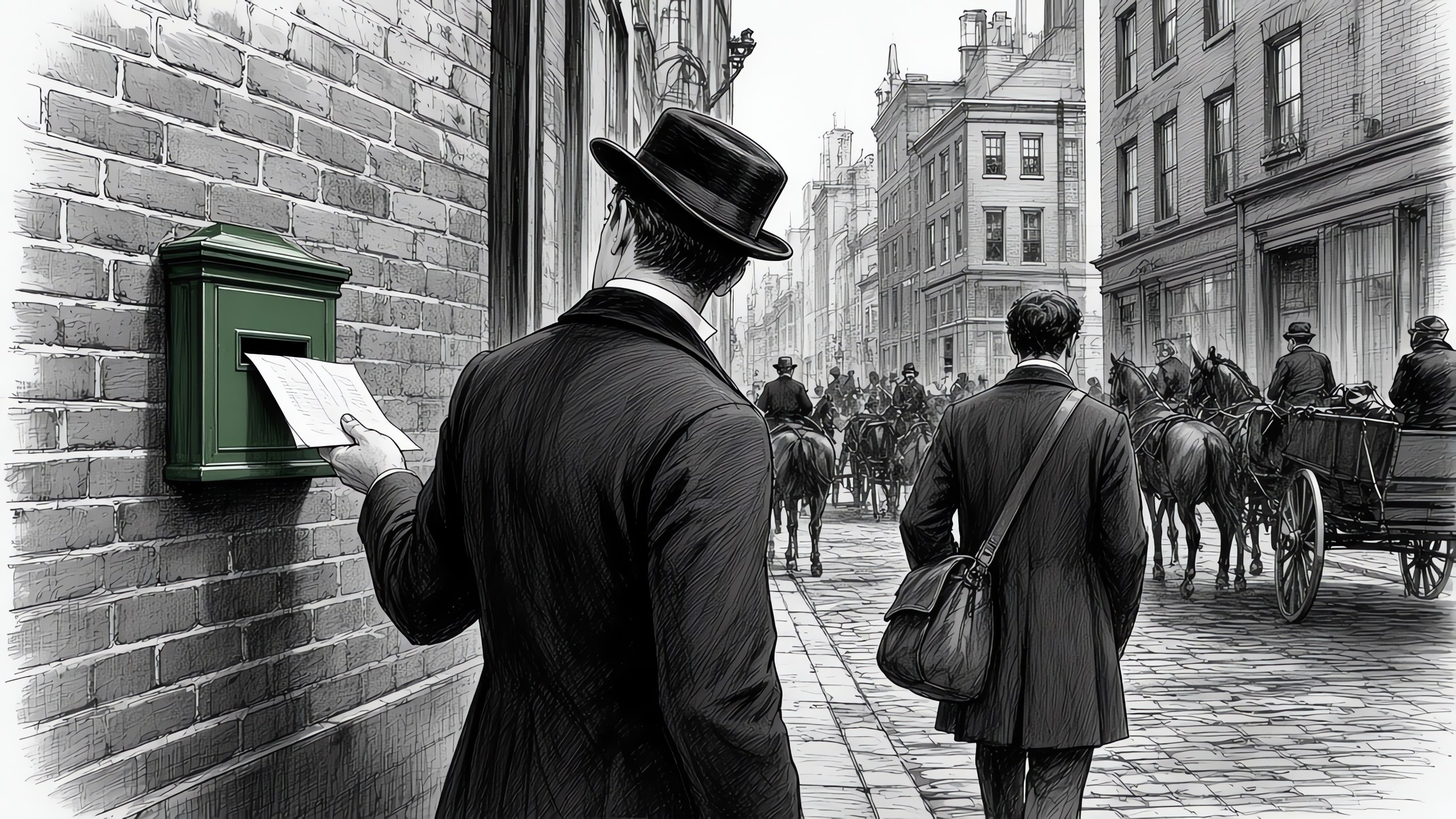
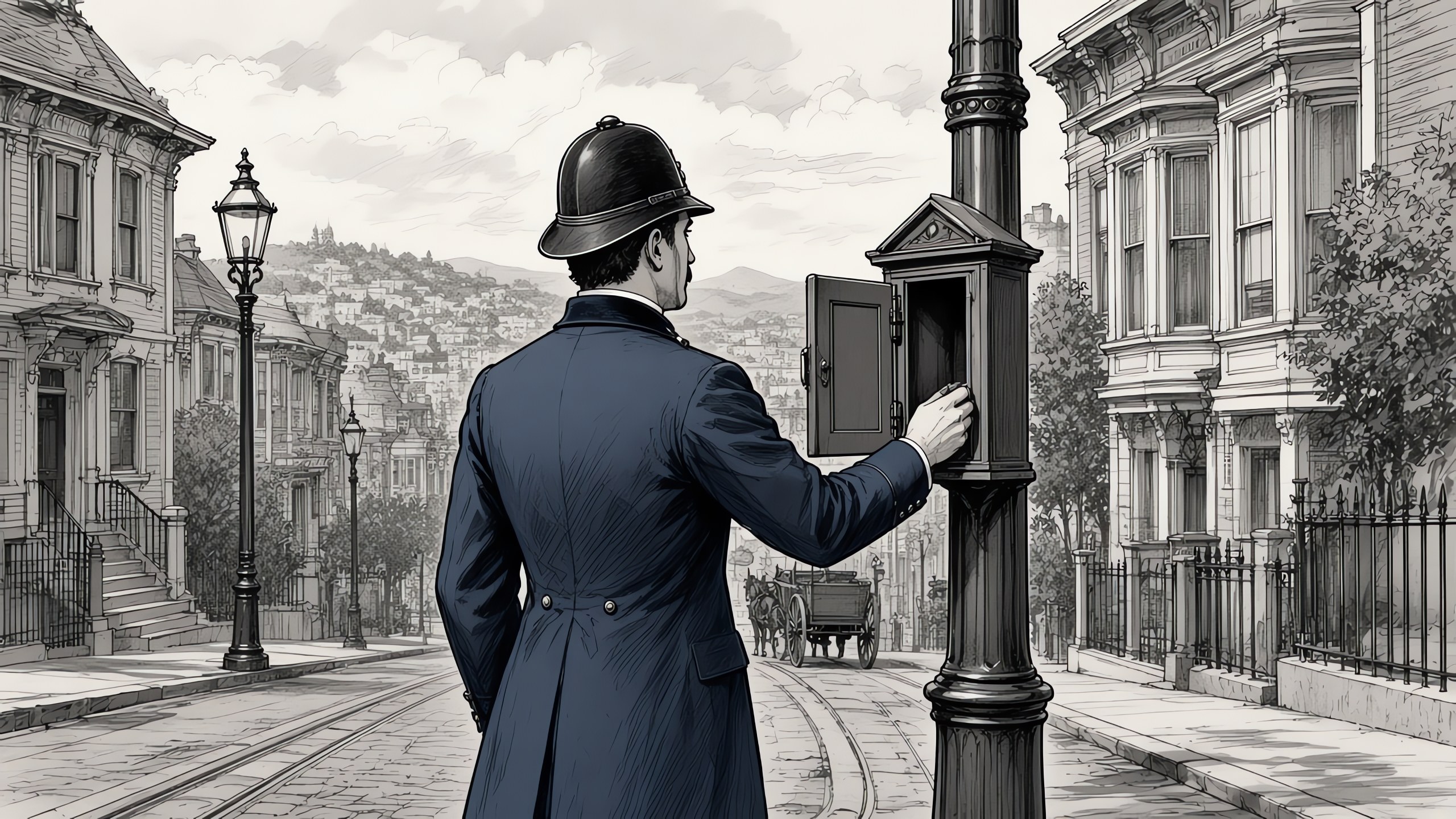
On August 2, 1858, the people of Boston gained a new convenience: iron letter boxes on the streets of their city. That day the post office began collecting mail from 33 strong boxes placed near Boston’s busiest corners, one of the first systems of street mailboxes in the United States.
Before then, mailing a letter in an American city usually meant a trip to the post office. Letter carriers in large cities did collect and deliver mail, but customers often had to pay them a penny or two for each letter, and the few collection boxes that existed were usually tin containers kept inside shops, hotels and other businesses.
Those boxes had obvious problems. They could be reached only when a shop was open, they were often unlocked, and critics complained that anyone could take letters out of them. Postal reformers called for secure boxes that the public could reach at any hour.
The idea gained ground in 1858. That March, Albert Potts of Philadelphia received a patent for a cast-iron letter box designed to fit on a city lamppost, and he soon offered his boxes to the Post Office Department.
Boston moved even faster. Postmaster Nahum Capen, with the approval of the Postmaster General, arranged for 33 strong and secure iron boxes to be installed near the city’s main street corners. Unlike Potts’s design, Boston’s first boxes were fastened firmly to buildings rather than to lampposts. Eleven more boxes were placed in hotels, and one on the wall of the Massachusetts General Hospital grounds.
A notice published by the post office explained that the boxes would allow letters to be mailed in all sections of the city with equal ease. Carriers emptied them several times a day and brought the letters to the post office for sending.
Other cities followed. Philadelphia adopted Potts’s lamppost boxes, and New York, whose residents had complained about letter canisters hidden in grocery stores and saloons, began installing lamppost boxes late in 1859. By late 1860 New York had hundreds of cast-iron boxes.
The street letter box became even more important after 1863, when Congress established free city delivery, so that carriers no longer charged a fee. Larger freestanding boxes appeared in the 1890s, and the colors changed over the years, from green to red, silver and olive before the familiar blue of today.
The boxes on Boston’s corners in 1858 were a small step, but they marked the beginning of a public service that Americans would soon take for granted: the ability to send a letter by simply walking to the nearest corner.
We strive for accuracy. If you see something that doesn't look right, click here to contact us!
 Contact Us
Sponsored Content
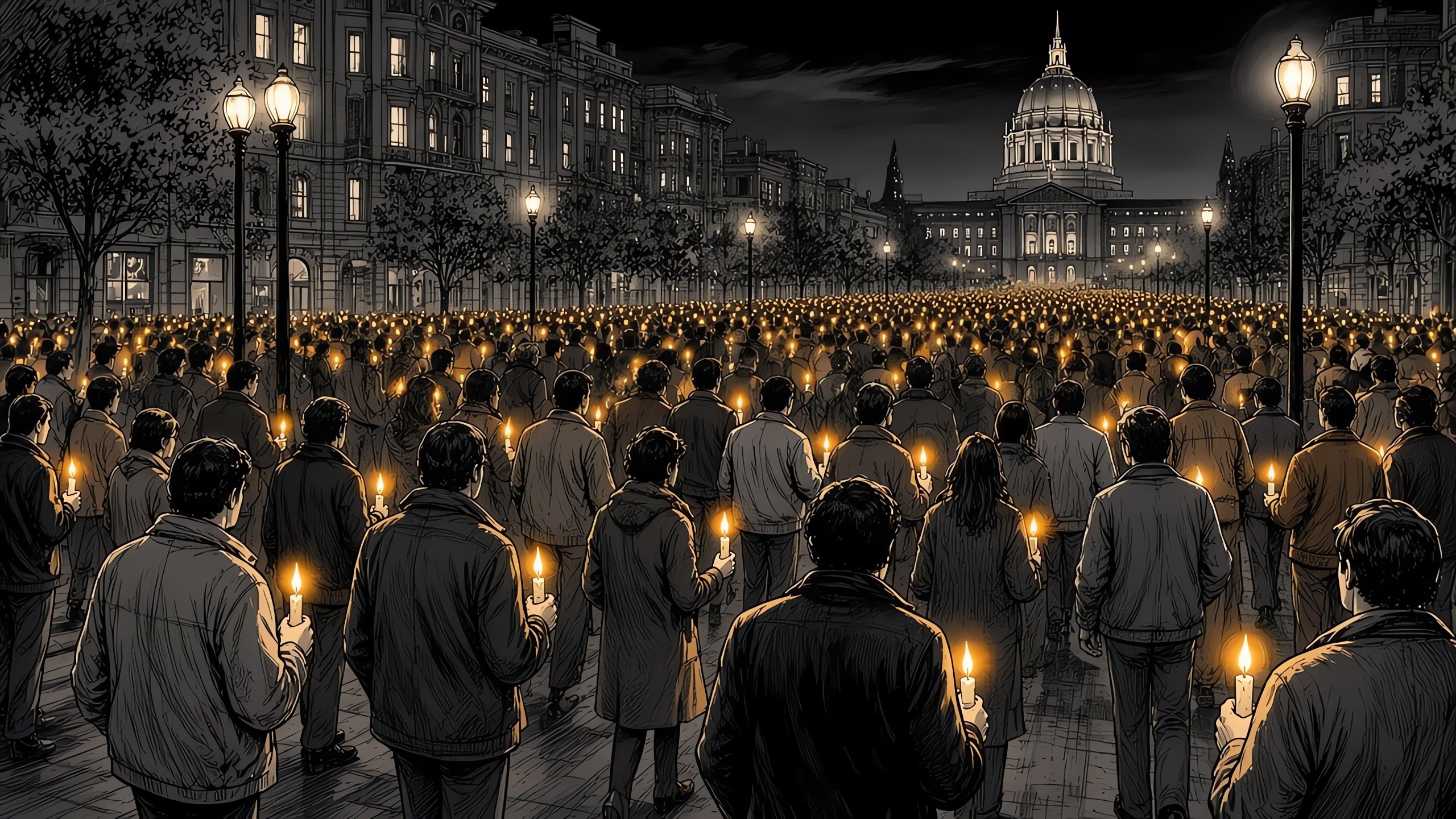
San Francisco Mayor George…
On November 27, 1978,…
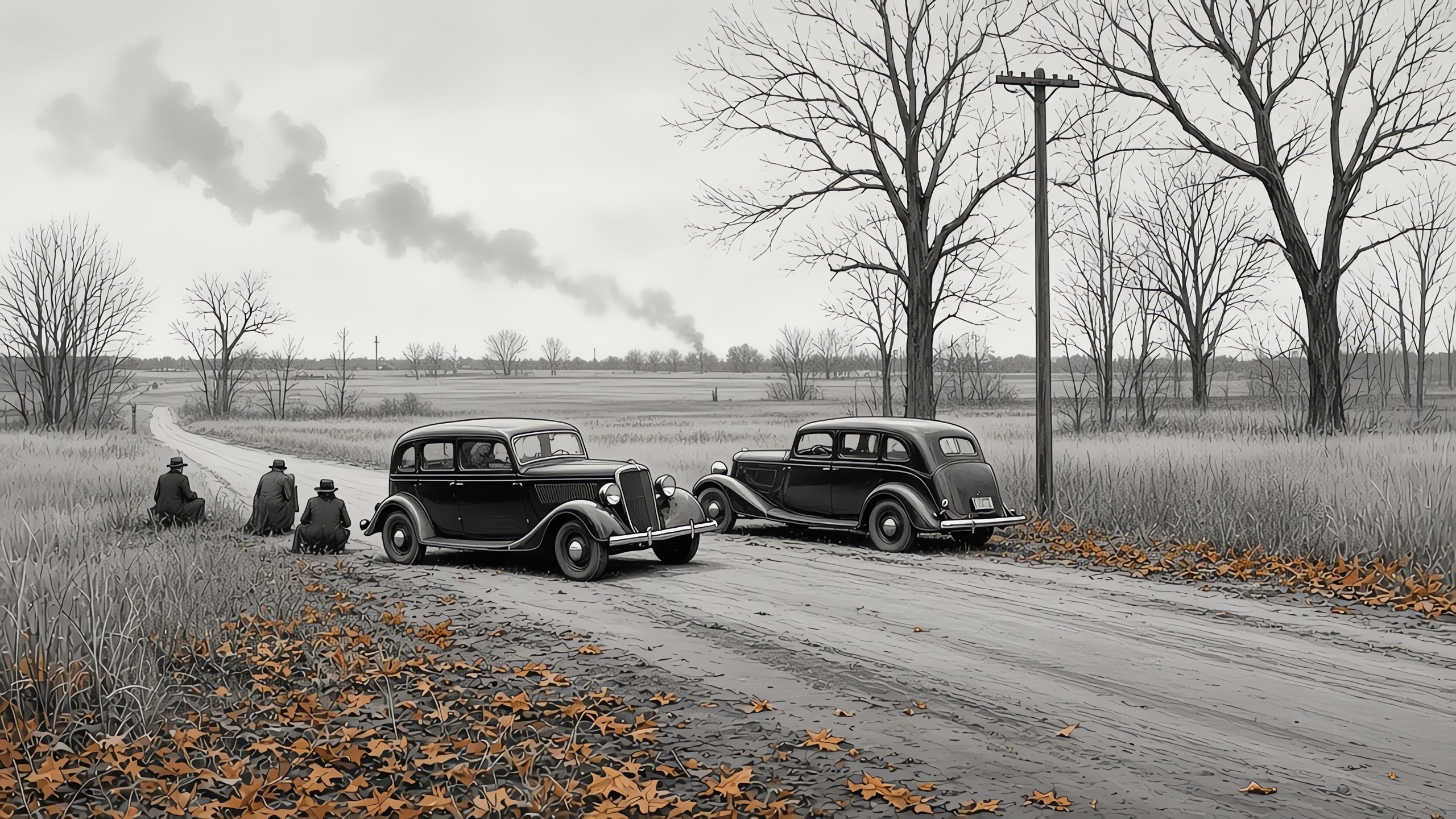
Baby Face Nelson is…
On November 27, 1934,…

Custer’s 7th Cavalry attacks…
On November 27, 1868,…
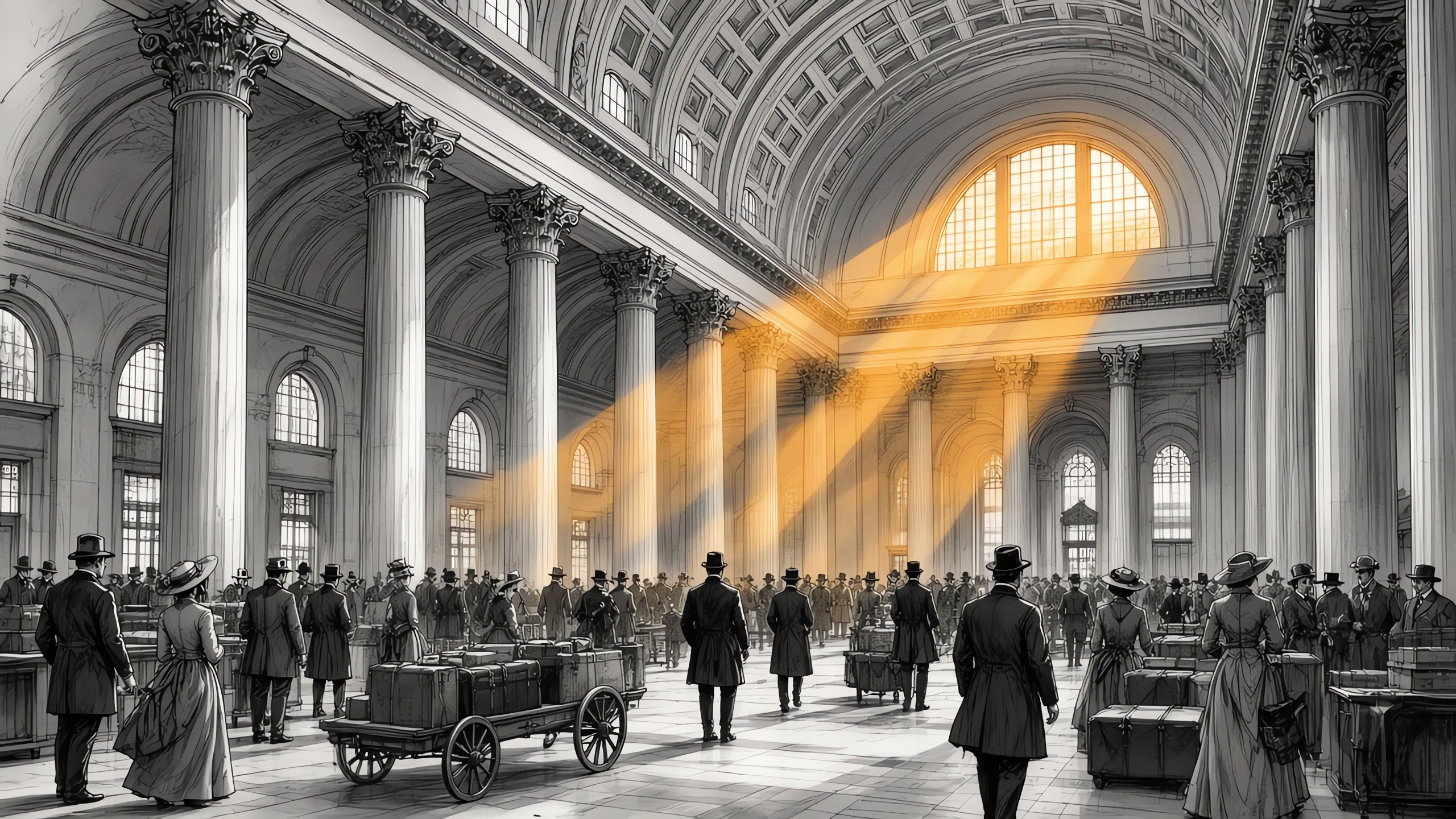
New York’s Pennsylvania Station…
Experience the grandeur of…
Side-wheeler “Portland” sinks off…
A maritime tragedy unfolded…
First signal box for…
On November 27, 1890,…
