
Flashback to May 2
American History

On the 6th of November, 1976, an influential era began in the United States’ fight for civil rights. It was on this critical day that Benjamin Hooks succeeded Roy Wilkins as the Executive Director of the National Association for the Advancement of Colored People, more commonly referred to as the NAACP. This historic transition in leadership marked a vital change in the direction of one of the most esteemed civil rights organizations in America.
Benjamin Hooks was born in Memphis, Tennessee, on January 31, 1925. He was a pivotal player in the American Civil Rights movement. Hooks held numerous influential positions during his life, but none as renowned as his role as the Executive Director of the NAACP. From lawyer to minister, from judge to FCC commissioner, Hooks led a life of passionate service dedicated to improving the lives of African Americans.
Hooks’ tenure at the helm of the NAACP spanned almost two decades, lasting from 1976 till 1992, during which he dramatically increased the organization’s membership, asserting its relevance to a whole new generation. This strategic initiative helped ensure the NAACP’s sustainability and gave it the momentum to continue its crucial work.
The NAACP, founded in 1909, is the oldest and one of the most influential civil rights organizations in the United States. It has traditionally been a critical force in combating discrimination and pushing for social justice. Hooks was the perfect successor for Roy Wilkins, who served as the association’s executive director from 1955 to 1977. Wilkins was an exceptional civil rights leader who steered the NAACP through some of the most turbulent periods in American history, including the Civil Rights Movement of the 1960s.
Civil Rights history was made when Benjamin Hooks succeeded Roy Wilkins as the executive director of the NAACP. This was a pivotal transition that not only represented a shifting of civil rights leadership but also the beginning of a new era in the pursuit of racial equality and justice in America.
In 1982, Hooks gave a now-famous quote about the perils of complacency, saying, “Black Americans are not defeated; the civil rights movement is not dead. If anyone thinks that we are going to stop agitating, they had better think again. If anyone thinks that we are going to stop litigating, they had better close the courts. If anyone thinks that we are not going to demonstrate and protest, they had better roll up the sidewalks.” This sentiment encapsulated Hooks’ mission as the NAACP’s leader, and it underlines his determination to continue the fight for equality.
Throughout his tenure, Hooks’ unwavering dedication to civil liberties and human rights was unquestionable. He passionately pursued the NAACP’s mission of ensuring the political, educational, social, and economic equality of all persons and eliminating race-based discrimination. His determination to encourage blacks to enter politics, and his push for police reforms only cemented his legacy as a pioneer for justice.
on November 6, 1976, the civil rights landscape took a drastic shift when Benjamin Hooks replaced Roy Wilkins in the NAACP leadership position. While both these leaders exceptionally served the civil rights movement, Hooks marked a new era in the NAACP’s history. His noteworthy leadership brought fresh strategies and goals, promoting equity and justice for almost two decades.
We strive for accuracy. If you see something that doesn't look right, click here to contact us!
 Contact Us
Sponsored Content
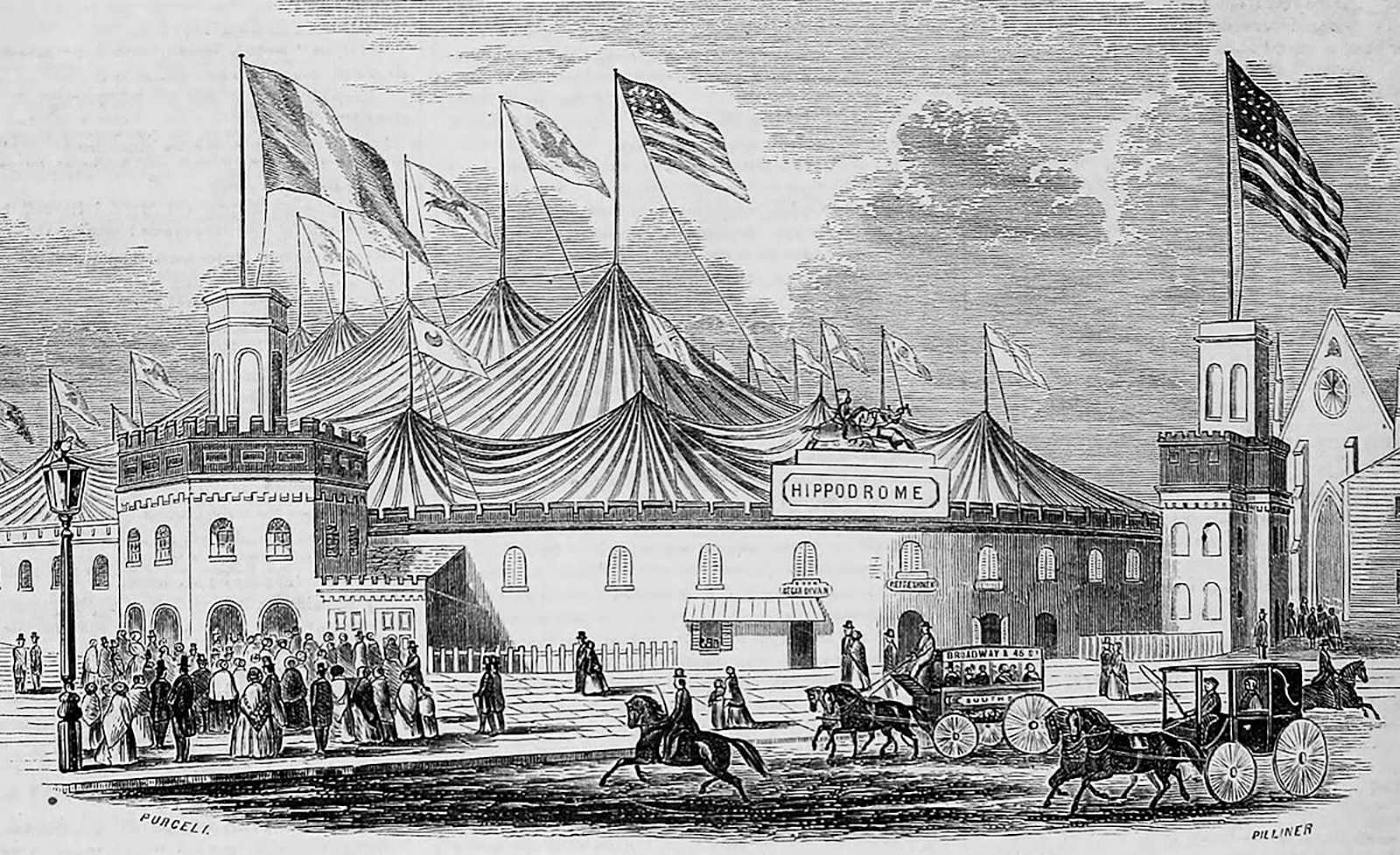
Franconi’s Hippodrome opens (New…
On May 2, 1853,…
Joseph McCarthy, communist-hunting American…
On May 2, 1957,…
US performs atmospheric nuclear…
In a significant development,…
Sabbath famine.
The Sabbath famine of…
