
Flashback to August 28
World History

1955
Bandung Conference ends: Twenty-nine non-aligned nations of Asia and Africa finish a meeting that condemned colonialism, racism, and the Cold War.
Read moreThe Bandung Conference of 1955 was a historic gathering of twenty-nine non-aligned nations from Asia and Africa that marked a significant turning point in the fight against colonialism, racism, and the Cold War. Taking place from April 18 to 24, this conference served as a platform for these nations to articulate their opposition to imperialism and to promote cooperation and unity among themselves. The Bandung Conference’s outcomes had a lasting impact on global politics and became a symbol of hope for the decolonization movement.
At the heart of the Bandung Conference was the condemnation of colonialism. The participating countries expressed their strong disapproval of the continued occupation and exploitation of their territories by Western powers. They highlighted the principle of self-determination and emphasized the need for decolonization, urging an end to the practice of colonial rule. This unified stance against colonialism marked a significant step forward in the efforts to dismantle the system of imperial domination that was prevalent during that time.
Racism was another issue addressed at the Bandung Conference. The participating nations, many of which had experienced the oppressive effects of racial discrimination, sought to promote racial equality and combat racism in all its forms. They emphasized the importance of respecting the dignity of all individuals, regardless of their race or ethnicity. This commitment to racial equality was a powerful message that resonated globally and contributed to the broader struggle for civil rights and equality.
The Bandung Conference also played a crucial role in shaping the dynamics of the Cold War. It provided a platform for countries that did not align with either the United States or the Soviet Union to voice their concerns and assert their independence. The participating nations advocated for a neutral stance in the global power struggle and called for an end to the Cold War rivalry. This stance had far-reaching implications and laid the foundation for the emergence of the Non-Aligned Movement, a group of nations that sought to maintain their independence and promote global peace and stability.
In addition to its political significance, the Bandung Conference also had a cultural and humanitarian impact. The participating nations recognized the importance of cultural exchange and understanding in promoting peace and cooperation. They emphasized the shared history, traditions, and aspirations of Asian and African nations, fostering a sense of unity and solidarity. The conference also addressed socio-economic issues, calling for economic cooperation and development among the participating nations. This emphasis on socio-economic progress laid the groundwork for future collaborations and initiatives aimed at improving the well-being of their respective populations.
The Bandung Conference was a monumental event that paved the way for the decolonization movement and challenged the existing global power structures. Its outcomes resonated far beyond the conference room, inspiring hope and determination among nations seeking liberation from colonial rule. The principles of self-determination, racial equality, and peaceful coexistence discussed during the conference continue to be relevant to this day.
The Bandung Conference’s legacy endures as a reminder of the power of collective action and the importance of standing up against oppression, racism, and imperialism. It serves as a testament to the courage and determination of the participating nations and continues to inspire movements for social justice and equality around the world. The impacts of this historical event can still be felt in the ongoing struggles for decolonization, racial equality, and global peace.
We strive for accuracy. If you see something that doesn't look right, click here to contact us!
 Contact Us
Sponsored Content

Britain’s Charles, Prince of…
"Marking a major event…
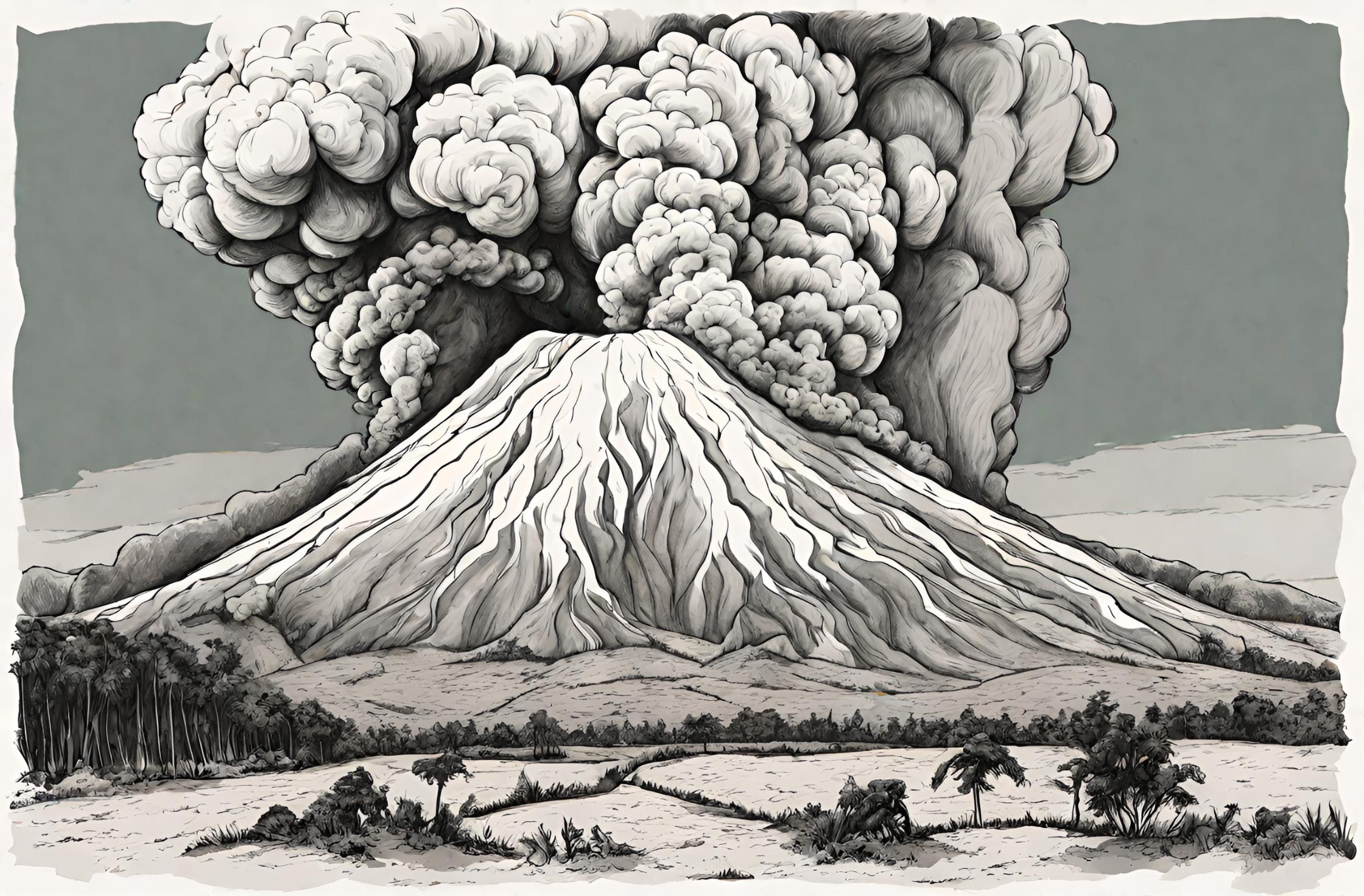
Mount Sinabung in North…
On August 28, 2010,…
The Roman general Orestes…
On August 28, 475,…
76 die in an…
Tragedy struck Tajikistan on…
Abdullah Gnl is elected…
On August 28th, 2007,…
At Germany’s Ramstein Air…
On August 28, 1988,…
