
Flashback to April 30
American History

On December 11, 1972, an event of monumental significance took place – Apollo 17, propelled by NASA, became the sixth mission to land on the moon. This extraordinary accomplishment continues to resonate in the world of science, aerospace, and technology, showcasing the epitome of human innovation, resilience, and thirst for exploration.
The story of Apollo 17 is one of grandeur and inspiration, filled with unmatched courage, dedication, satisfying curiosity, and achieving the unthinkable. This was the final mission of NASA’s Apollo program and the concluding act of the masterpiece called the ‘moon landing’ – an event that forever changed space exploration.
Apollo 17 was distinct in numerous ways. For the first time, a professional geologist, Harrison Schmitt, was part of the crew, reflecting the mission’s strong focus on lunar science. Alongside him was commander Gene Cernan, the last man to walk on the moon, and command module pilot Ronald Evans. They embarked on a journey unprecedented, radiating impressions of bravery, prowess, and intelligence – an idyllic image of human capability.
The Apollo 17 mission remains deeply embedded in the annals of space history not only as the sixth to land on the moon but also for the longest moonwalk ever made. Astronauts Cernan and Schmitt spent around 22 hours over three excursions on lunar surface exploration, gathering valuable data and samples that have contributed enormously to our understanding of the moon and its formation.
Moreover, Apollo 17 went the furthest distance into the lunar landscape, with the Lunar Roving Vehicle enhancing the crew’s exploration radius. This mission brought back an impressive 249 pounds of lunar rock and soil samples, the most substantial payload of moon samples ever returned to Earth.
Equally inspiring was the iconic “Blue Marble” photograph – an unscheduled but fortunate snapshot taken by Apollo 17 crew members. Captured when the spacecraft was about 28,000 miles from Earth, the image offered an awe-inspiring, humbling perspective of our home planet, an image celebrating the beauty and fragility of the Earth.
Countless NASA missions followed Apollo 17, venturing into the deeper abyss of the cosmos, but the Apollo 17 moon landing has a special place in our collective consciousness. It not only marked the end of the Apollo moon landing series but also epitomized our profound aspirations of conquering the unknown and exploring new frontiers.
The landing of Apollo 17 on the moon represents a beacon of scientific achievement. It underscores the importance of space research and the tangible benefits that it brings to scientific understanding. Equipped with state-of-the-art technology of the time, the mission provided valuable insights into lunar geology, addressed crucial questions about the moon’s composition, history, and processes, and ignited interest for future lunar and space missions.
As we look back on the awe-inspiring accomplishment of Apollo 17 over four decades ago, it serves as a stark reminder of humanity’s capacity to dream big, explore further, reach higher, and – ultimately – land on the moon. Apollo 17’s lunar landing resonates strongly even today, etched in the annals of exploration – an event that offered a new perspective on the cosmos and redefined our place in it.
The Apollo 17 moon landing – an event of monumental significance – reaffirms the value of perseverance, dedication, and the human spirit. More than just a point in history, it is a symbol of human progress, the strength of scientific inquiry, and our unending pursuit of knowledge. It may have been the last mission to land men on the moon, but it made sure to leave a footprint deep enough to inspire and propel future generations towards the stars.
We strive for accuracy. If you see something that doesn't look right, click here to contact us!
 Contact Us
Sponsored Content

First shuttle flights between…
On April 30, 1961,…
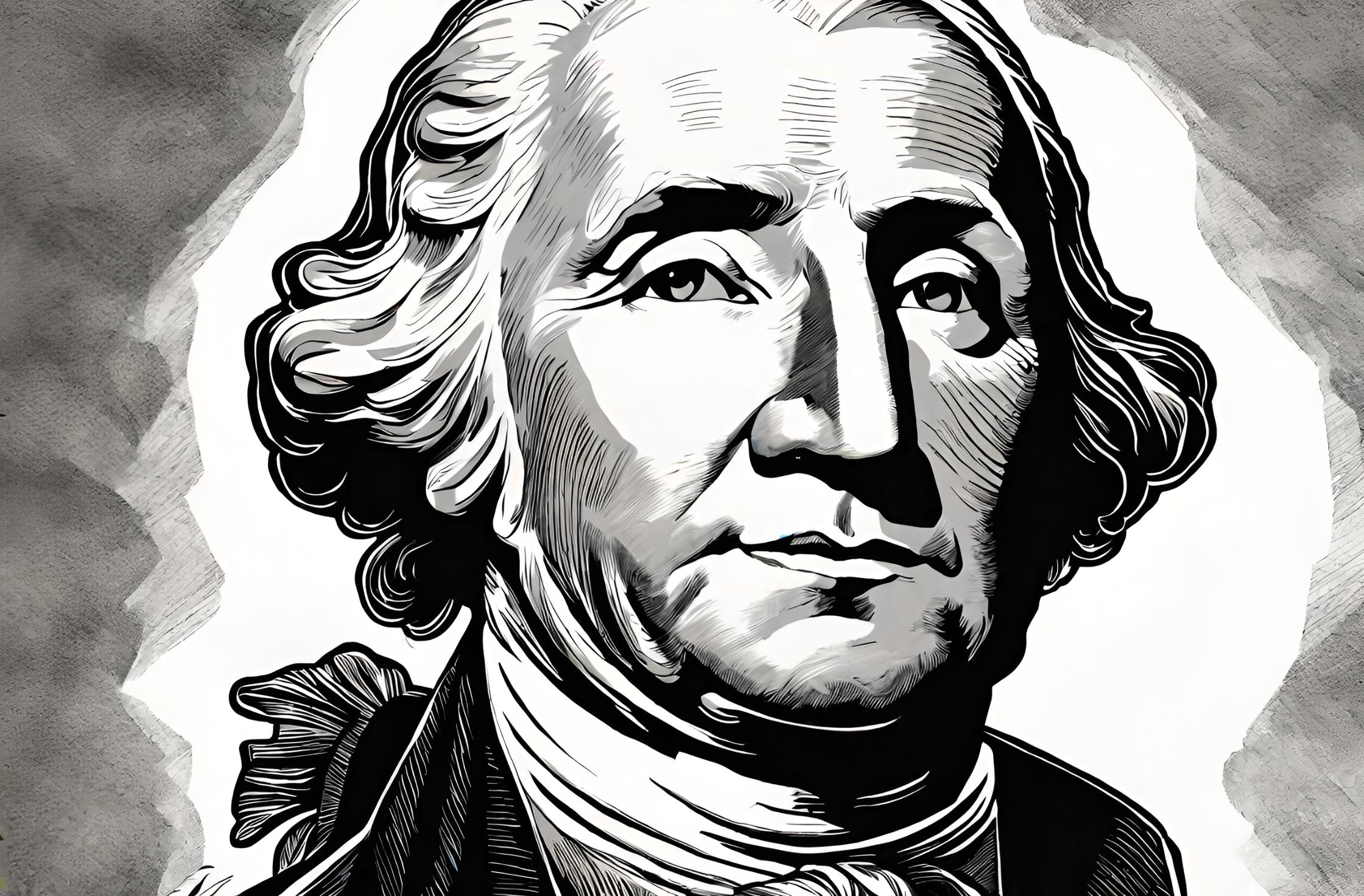
George Washington inaugurated as…
"Experience the momentous occasion…
Watergate Scandal: President Richard…
On April 30, 1973,…
New York becomes first…
On April 30, 1864,…
