
Flashback to July 30
American History

On July 30, 1864, during the American Civil War, a pivotal event known as the Battle of the Crater took place. This battle involved Union forces attempting to break Confederate lines by exploding a large bomb under their trenches. Today, we will delve into the details of this historic event and explore its significance in the context of the American Civil War.
The Battle of the Crater occurred during the Siege of Petersburg, which was a series of engagements between Union and Confederate forces around the city of Petersburg, Virginia. The siege lasted for over nine months and was a critical campaign in the war. The Union’s objective was to capture Petersburg, a vital transportation hub for the Confederacy, and eventually march on to Richmond, the Confederate capital.
As the siege wore on, Union General Ambrose E. Burnside proposed a bold plan to break the Confederate lines. He suggested digging a tunnel underneath the Confederate fortifications and detonating a massive bomb beneath their trenches. The explosion would create a gap in the Confederate defenses, allowing Union troops to storm their lines and potentially seize Petersburg.
The Union soldiers worked tirelessly for weeks to dig a tunnel that stretched nearly 500 feet towards the Confederate lines. Finally, on the morning of July 30, the explosives were ignited, resulting in a massive blast that left a crater approximately 170 feet long, 60 feet wide, and 30 feet deep. The explosion caused significant damage to the Confederate positions and stunned their soldiers.
However, despite the initial success of the explosion, the Union forces were not able to fully capitalize on the opportunity. The plan quickly unraveled due to poor execution and a lack of coordination. Instead of swiftly moving forward and taking advantage of the chaos caused by the blast, Union troops hesitated and became disorganized. This allowed Confederate reinforcements to regroup and launch a counterattack.
The Battle of the Crater quickly devolved into a bloody and chaotic melee. Union soldiers found themselves trapped in the massive crater with little cover, easy targets for Confederate sharpshooters and artillery. The Confederates swiftly reinforced their lines and launched several successful assaults, effectively repelling the Union assault.
Ultimately, the Battle of the Crater was a devastating defeat for the Union forces. The failure of the bold plan not only resulted in significant casualties but also dealt a blow to morale. Union soldiers were demoralized by the missed opportunity and the loss of lives for seemingly no gain.
The Battle of the Crater has been the subject of significant analysis and debate among historians. Many have pointed to the lack of leadership and coordination as key factors in the Union’s failure. General Burnside, the architect of the plan, was heavily criticized for his handling of the battle.
However, it is important to note that the Battle of the Crater also highlighted the courageous and determined efforts of African American troops. The 4th Division of the Union IX Corps, made up predominantly of black soldiers, played a pivotal role in the initial assault. Despite facing intense resistance and heavy casualties, these soldiers fought valiantly and displayed remarkable bravery.
the Battle of the Crater was a major event in the American Civil War that showcased both the ingenuity of Union forces and the challenges they faced in achieving their objectives. Despite the failure of the plan and the subsequent defeat, the battle remains a crucial moment in history. The Battle of the Crater serves as a reminder of the complexities and uncertainties of war and the importance of leadership and cooperation in achieving success on the battlefield.
We strive for accuracy. If you see something that doesn't look right, click here to contact us!
 Contact Us
Sponsored Content
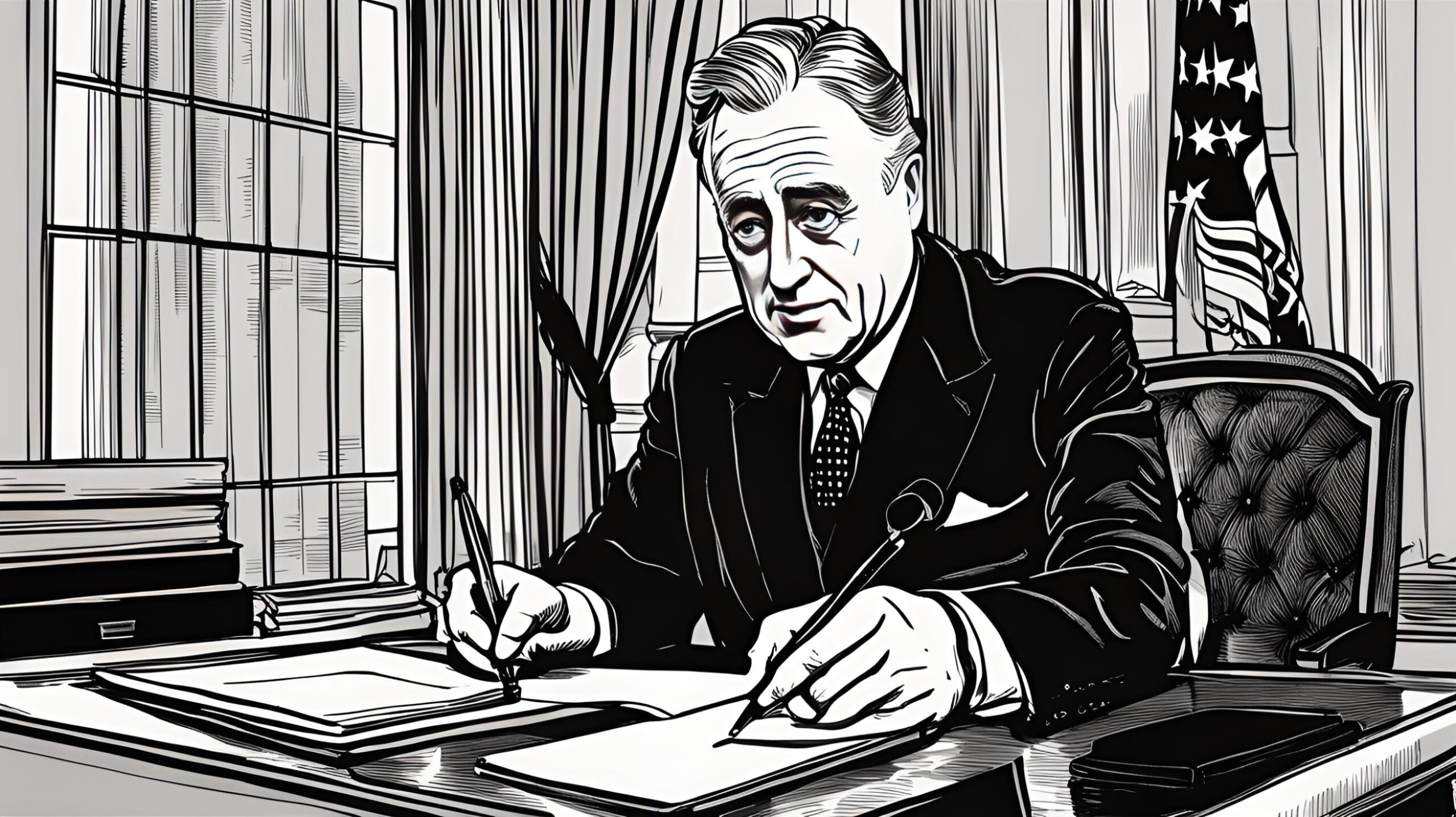
US President Franklin Roosevelt…
On July 30, 1942,…
First US yacht club…
On July 30, 1844,…
Execution of Joseph Johnson
On July 30, 1964,…
K Reinmuth discovers asteroid…
On July 30, 1922,…
US Army accepts delivery…
On July 30, 1909,…
American Civil War: Battle…
On July 30, 1864,…
