
Flashback to November 25
World History
2005
Controversial cartoons of Muhammad are printed in the Danish newspaper Jyllands-Posten
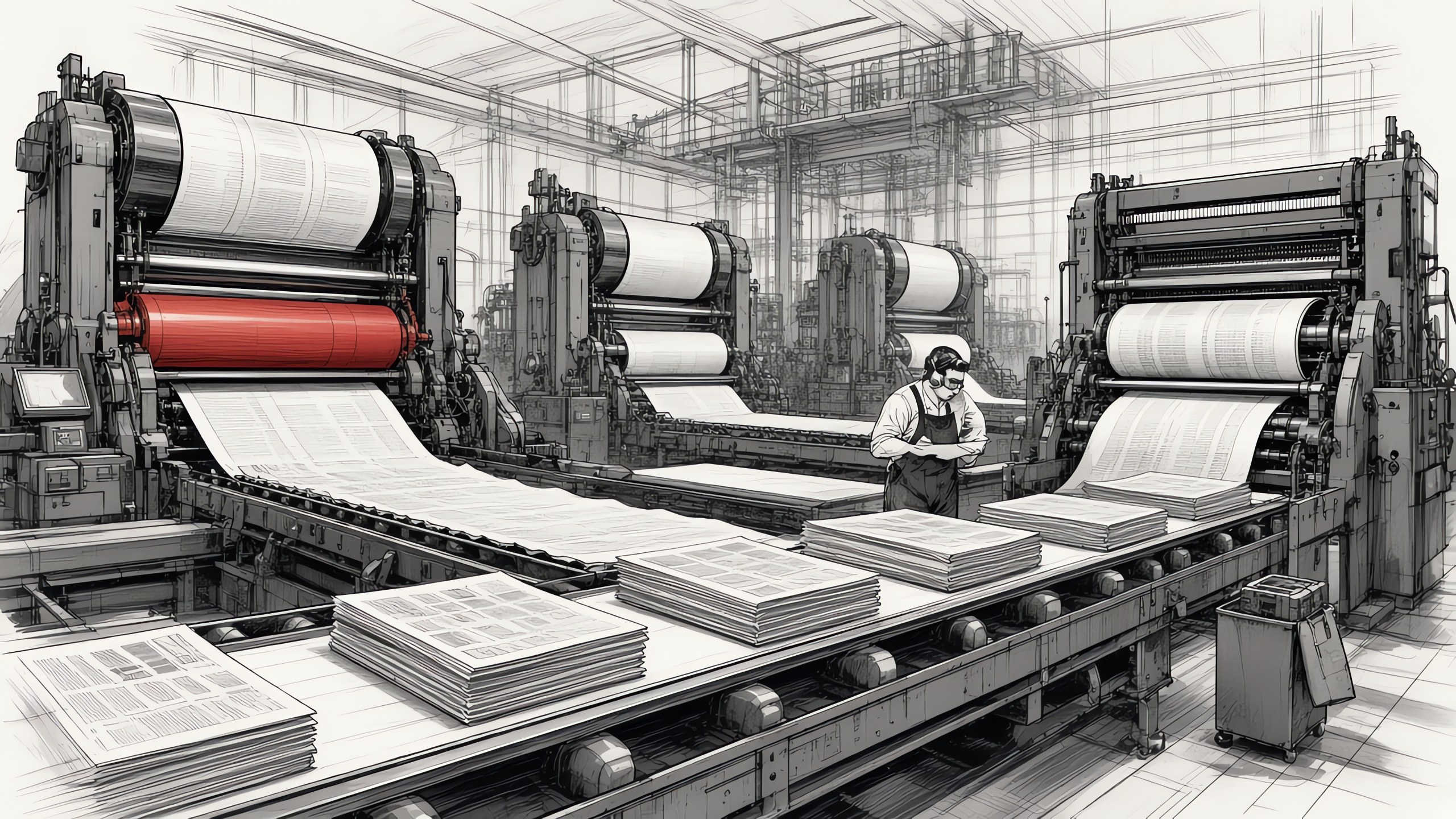
Read moreOn September 30, 2005, the Danish newspaper Jyllands-Posten published 12 cartoons depicting the Prophet Muhammad under the headline “The Face of Muhammad.” The drawings set off one of the most serious international controversies of the decade, leading to boycotts, violent protests and a long debate about free expression and respect for religion.
The idea came from the paper’s culture editor, Flemming Rose. He had heard that a Danish author was having trouble finding illustrators for a children’s book about Muhammad because artists feared reprisals. Rose invited cartoonists to draw the prophet as they saw him, saying he wanted to test whether self-censorship was spreading in Europe.
Many Muslims consider any depiction of the prophet forbidden, and several of the cartoons were seen as deeply offensive. The most notorious, by Kurt Westergaard, showed Muhammad with a bomb in his turban.
At first the reaction was limited to Denmark. Muslim groups held protests in Copenhagen, and ambassadors from several Muslim-majority countries asked to meet Prime Minister Anders Fogh Rasmussen. He declined, saying the government had no power over the press and could not interfere with what newspapers chose to print.
Late in 2005, a group of Danish imams traveled to the Middle East to raise awareness of the cartoons. By early 2006 the dispute had become international. Several countries recalled their ambassadors from Copenhagen, and consumers in the Middle East boycotted Danish products.
In February 2006 protests swept across the Muslim world. Danish embassies in Damascus and Beirut were set on fire, and demonstrations in Afghanistan, Pakistan, Nigeria, Libya and other countries turned deadly. More than 200 people were killed in the unrest. Rasmussen called it Denmark’s worst international crisis since World War II.
Newspapers in several European countries reprinted the cartoons in solidarity, while others refused, arguing that freedom of speech did not require giving offense. Jyllands-Posten later apologized for the hurt the drawings had caused but defended its right to publish them.
The controversy cast a long shadow. Several of the cartoonists received death threats, and in 2010 a Somali man armed with an axe broke into Westergaard’s home. Plots against the newspaper and its staff were foiled in the years that followed, and Jyllands-Posten’s offices operated under heavy security.
The cartoons also became part of the background to later attacks, including the 2015 shooting at the offices of the French satirical magazine Charlie Hebdo, which had reprinted them. Two decades later, the publication remains a defining moment in debates over the limits of free speech.
We strive for accuracy. If you see something that doesn't look right, click here to contact us!
 Contact Us
Sponsored Content

Suriname gains independence from…
On November 25, 1975,…
Statehood of Bosnia and…
The historical event on…
Spain grants Puerto Rico…
"Spain granted Puerto Rico…
A deadly earthquake rocks…
The devastating 1667 Shemakha…

The Mirabal sisters are…
On November 25, 1960,…
Einstein presents the field…
On November 25, 1915,…
