
Flashback to November 29
World History
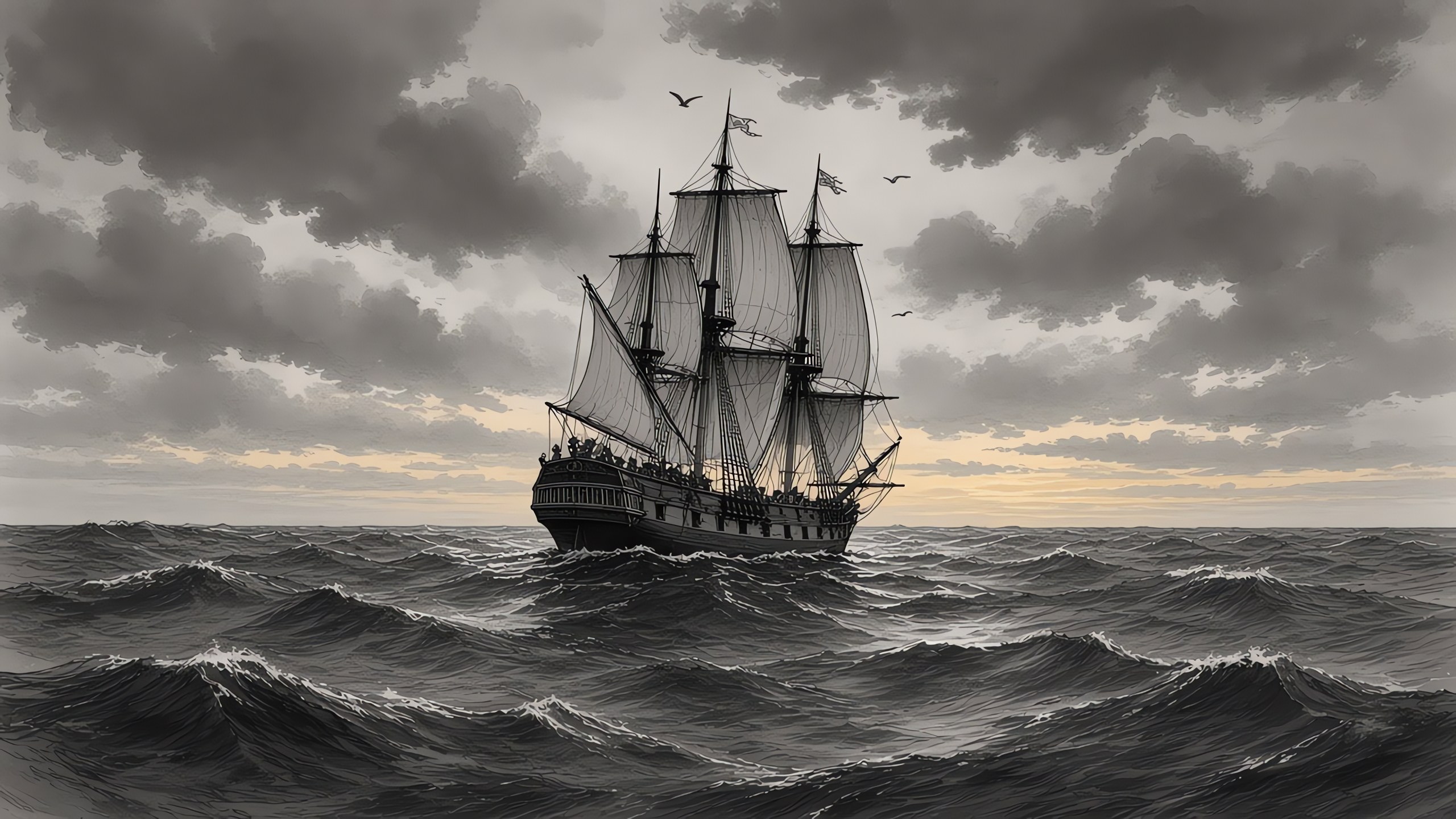
On November 29, 1781, the crew of the British slave ship Zong gathered on deck in the Caribbean and agreed to throw some of the captive Africans held below into the sea. That evening, 54 women and children were pushed out through the cabin windows. It was the first of several rounds of killing over the following days, and by the time the ship reached Jamaica more than 130 people had been murdered.
The Zong was a small vessel captured from the Dutch earlier that year and bought off the Gold Coast by a Liverpool syndicate that included the merchant William Gregson. She sailed from Accra in August 1781 with 442 enslaved people on board, far more than a ship of her size could safely carry. Her captain, Luke Collingwood, was a former ship’s surgeon on his first command, and his crew was small and patched together.
The voyage went badly. Disease and malnutrition had already killed dozens of the captives and several sailors, Collingwood fell seriously ill, and the first mate had been suspended after a quarrel. In late November the crew sighted Jamaica but mistook it for the French colony of Saint-Domingue and sailed on. By the time the error was noticed, the ship was far to leeward of the island, and the crew later said that drinking water was running short.
The decision that followed was driven by insurance. The captives were insured as cargo. If they died of illness on board, the owners could claim nothing, but if some were thrown overboard to save the rest of the “cargo” or the ship, the loss could be claimed from the underwriters at £30 a head. On December 1, 42 men were thrown into the sea, and 36 more followed in the days after. Ten others jumped to their deaths in defiance.
The claim that there was no water to spare did not hold up well. Heavy rain fell for more than a day on December 1, and the ship still had water in her casks when she reached Black River, Jamaica, on December 22 with 208 survivors. They were sold at market there. Collingwood died soon after arrival.
The owners claimed for the dead, the insurers refused, and in March 1783 a London jury found for the owners. Lord Mansfield, hearing the appeal at the Court of King’s Bench, remarked that the case was treated as if horses had been thrown overboard, but he ordered a new trial after hearing that the crew had been at fault. No record of a further hearing survives, and no one was ever charged with murder.
The case reached a wider public because the formerly enslaved writer Olaudah Equiano told the campaigner Granville Sharp about it soon after the first trial. Sharp tried and failed to have the crew prosecuted, but he circulated accounts of the killings, and the Zong became one of the most cited examples of the cruelty of the Middle Passage.
The episode fed the abolition movement that grew in Britain over the next quarter century. Parliament began regulating slave ships in 1788, barred insurers from paying for captives thrown overboard in 1791, and abolished the British slave trade in 1807. A memorial to the victims now stands at Black River, and the killings have been remembered in paintings, poems and museum displays ever since.
We strive for accuracy. If you see something that doesn't look right, click here to contact us!
 Contact Us
Sponsored Content
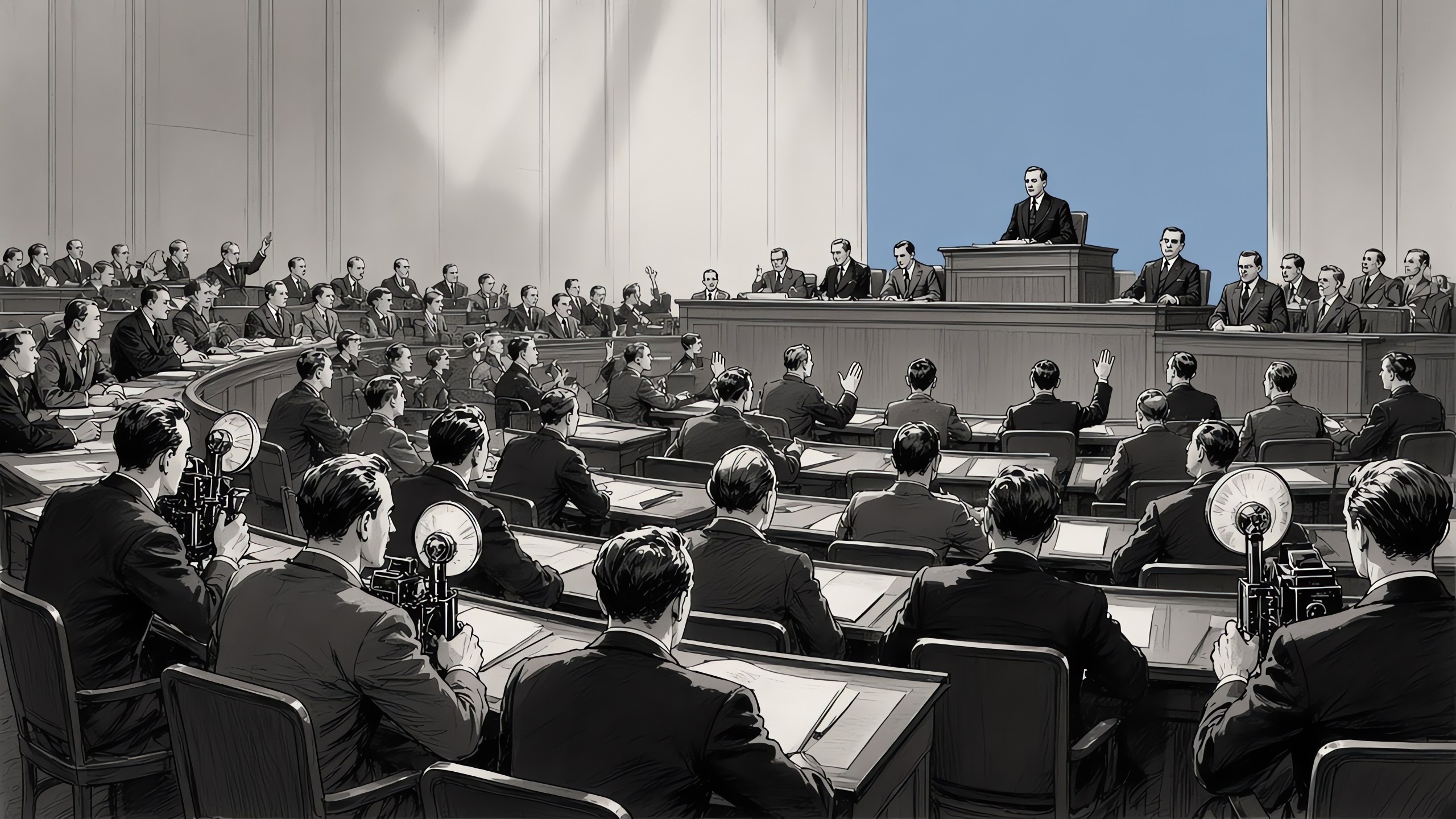
The UN General Assembly…
On November 29, 1947,…
Crew of the British…
On November 29, 1781,…
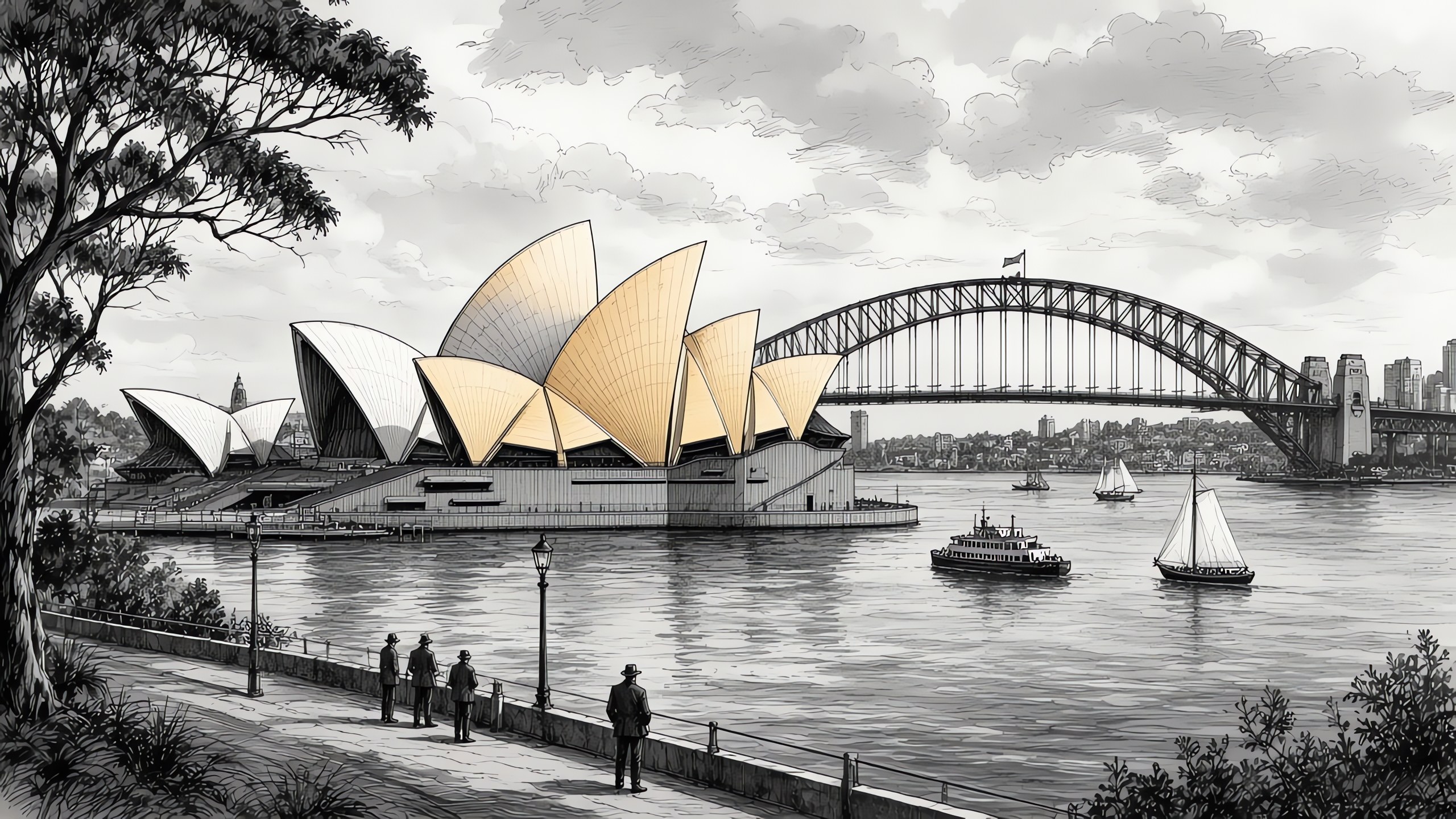
Jorn Utzon, Danish architect…
Jorn Utzon, the Danish…
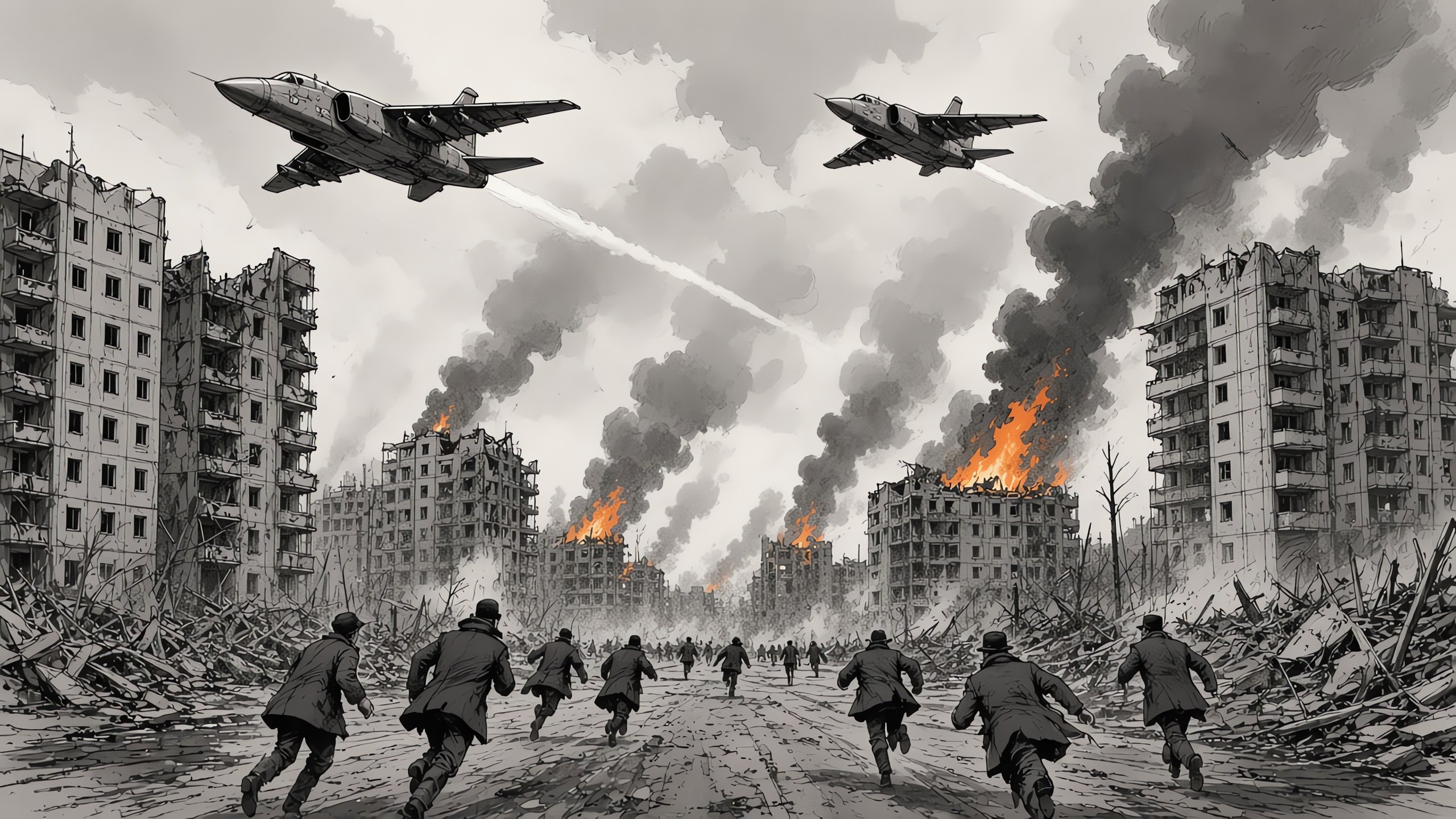
Russian aircraft bomb Chechen…
On November 29, 1994,…
Korean Air Flight 858…
On November 29, 1987,…
Gerard Hoarau, exiled political…
On November 29, 1985,…
