
Flashback to November 26
World History
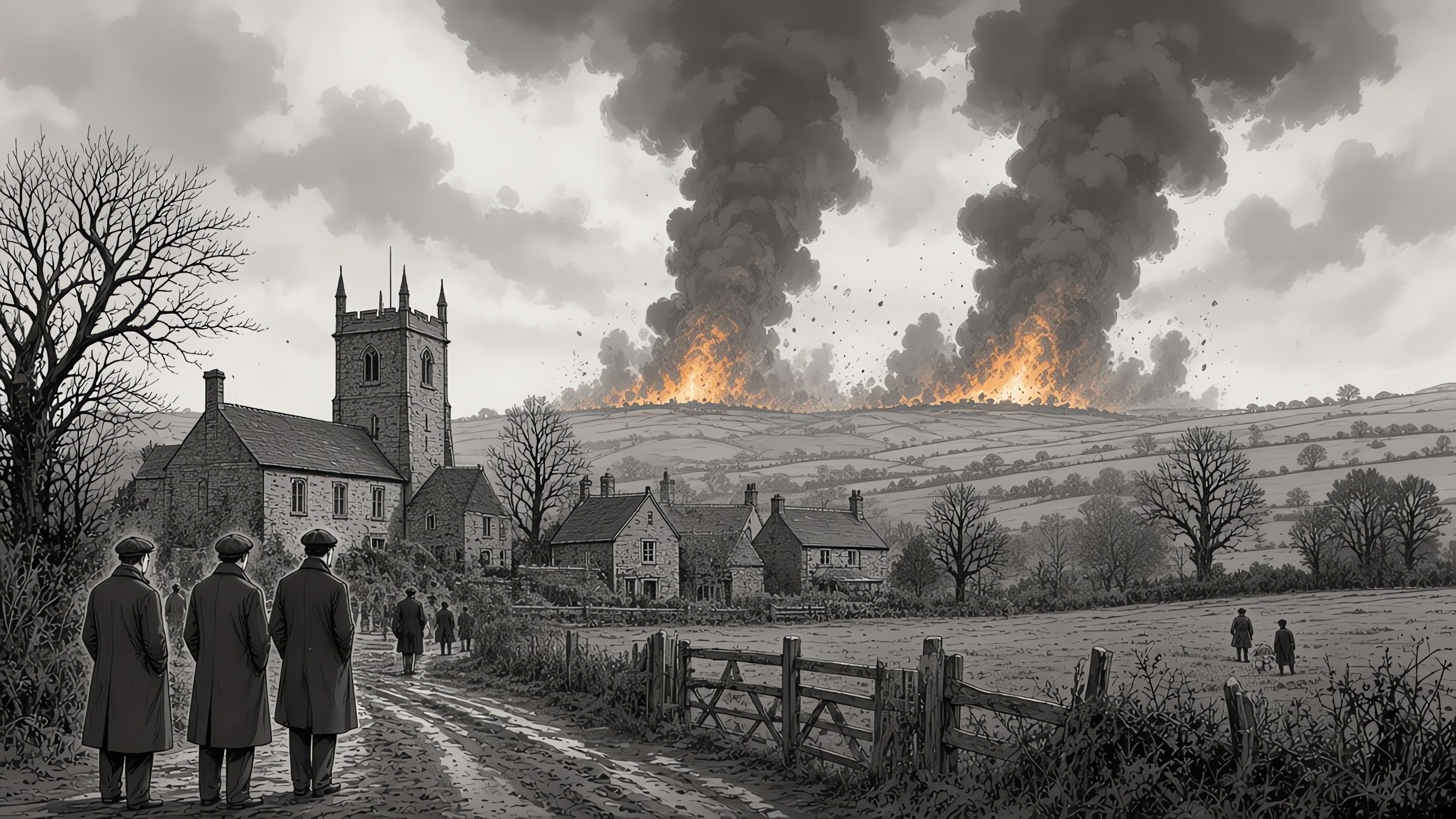
On the morning of Monday, November 27, 1944, the quiet farmland around the village of Hanbury in Staffordshire, England, was torn apart by one of the largest accidental explosions in history. Somewhere between 3,500 and 4,000 tons of bombs and other explosives detonated inside RAF Fauld, an underground ammunition depot built in old gypsum mine workings. About 70 people were killed.
The depot, run by the Royal Air Force’s No. 21 Maintenance Unit, had been set up in tunnels dug deep beneath the hillside by generations of gypsum miners. By 1944 the workings held huge stocks of high-explosive bombs, incendiaries and shells, along with millions of rounds of small arms ammunition, all waiting to be sent to bomber stations as the air war over Germany reached its peak.
Shortly after 11 a.m., two explosions ripped through the stores. Witnesses saw two columns of black smoke and earth climb thousands of feet into the sky. The blast blew out a crater about 100 feet deep and roughly 1,000 feet across, covering around 12 acres. Upper Castle Hayes Farm vanished entirely, along with its buildings and the people working there.
The damage did not stop with the explosion itself. A reservoir holding about 450,000 cubic meters of water was destroyed, and the flood poured into a nearby gypsum works and plaster mill, drowning workers there. Houses, farms and cottages within about three-quarters of a mile were wrecked or badly damaged, and around 200 cattle were killed.
The dead included RAF personnel, civilian workers, Italian prisoners of war who had been assigned to the depot, farm workers and employees of the gypsum company. Because no exact records were kept of who was underground that day, the toll has never been fixed precisely. Eighteen of the victims were never found, and one diver died during the rescue and recovery work.
Wartime censorship kept the full scale of the disaster out of the newspapers, since the government did not want Germany to learn how much ordnance had been lost. A secret inquiry found that the depot had been short of staff and trained supervisors, that safety rules were often ignored under pressure to speed up work, and that inexperienced workers, including about 189 Italian prisoners, were handling live munitions.
The most likely cause, according to the inquiry, was a worker removing a detonator from a bomb with a brass chisel instead of a wooden tool, producing a spark. An eyewitness reported seeing brass chisels in use against regulations. The report was kept confidential until 1974, three decades after the explosion.
The RAF went on using parts of the underground depot for years after the war. The great hole in the hillside, now called the Hanbury Crater, is still visible today, softened by trees and grass. A memorial stone placed at the rim in 1990 lists the names of the people who died, a lasting record of a wartime disaster that for many years was barely spoken of outside the villages it struck.
We strive for accuracy. If you see something that doesn't look right, click here to contact us!
 Contact Us
Sponsored Content

The Mainila shelling gives…
On November 26, 1939,…
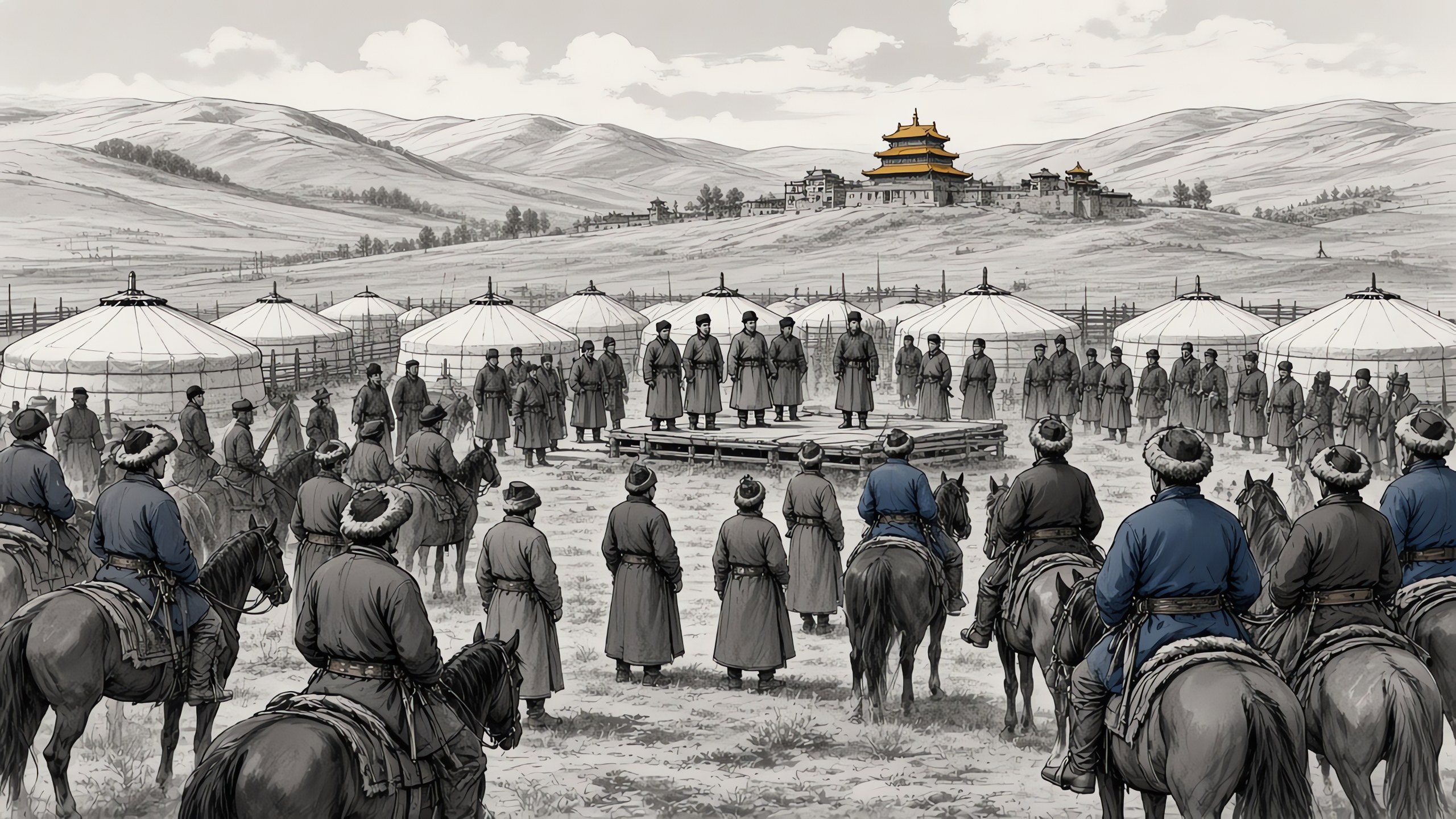
Mongolian People’s Republic proclaimed.
Celebrating the pivotal turning…

A severe storm destroys…
On November 26, 1703,…

Pelagius II begins his…
"Pelagius II, an influential…
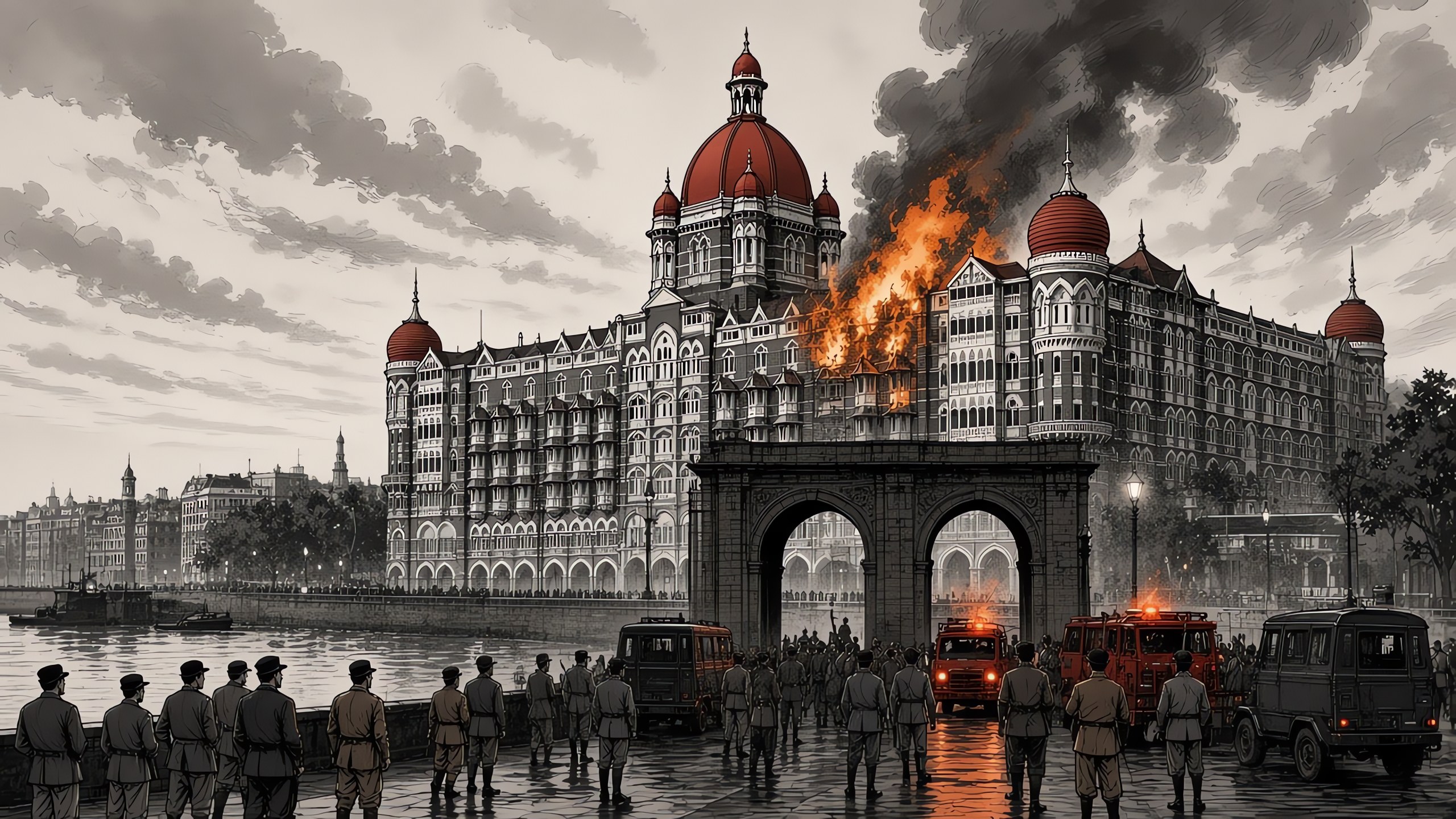
Terrorists launch coordinated attacks…
On the night of…
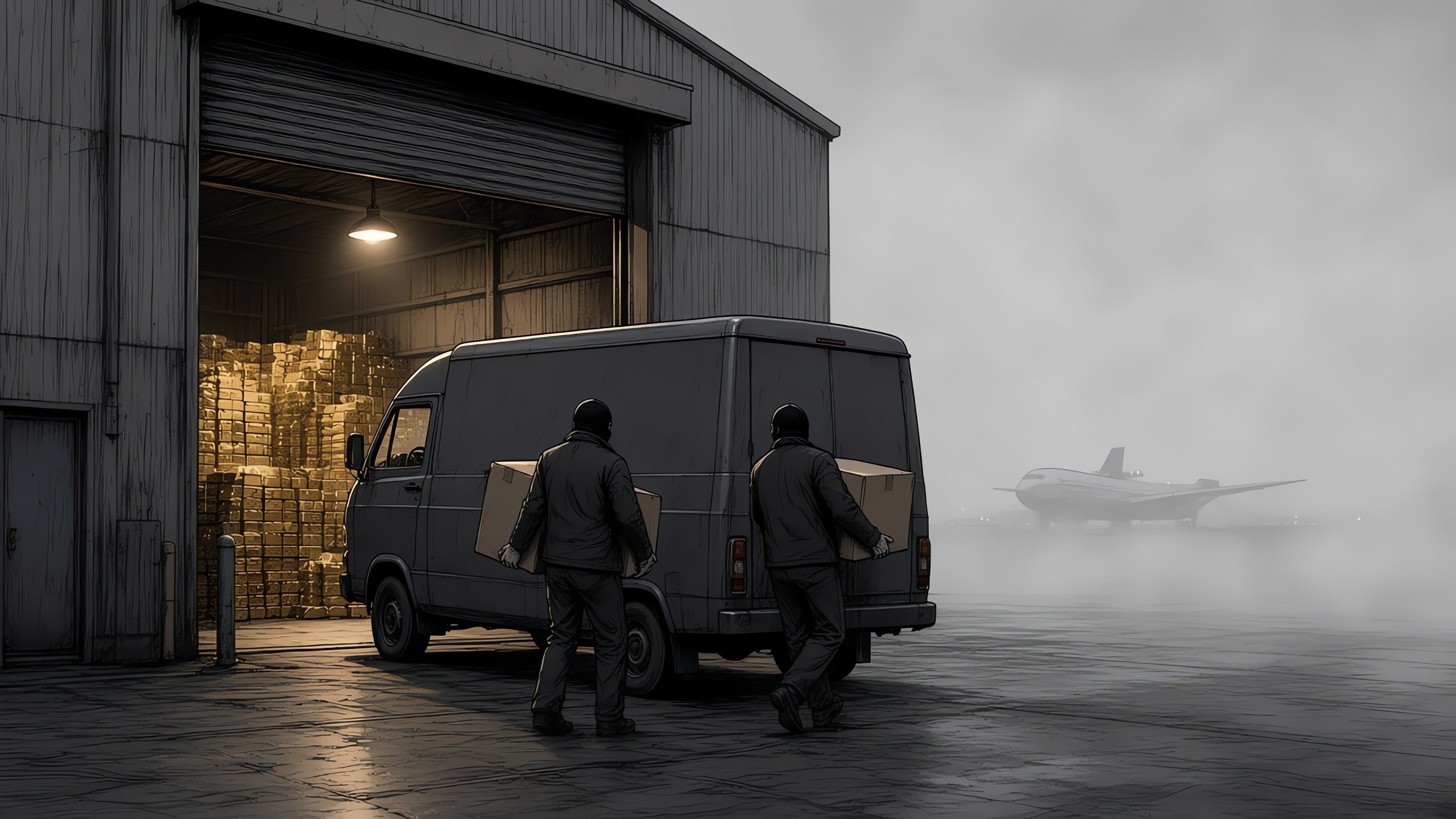
Robbers steal £26 million…
On November 26, 1983,…
