
Flashback to November 26
American History
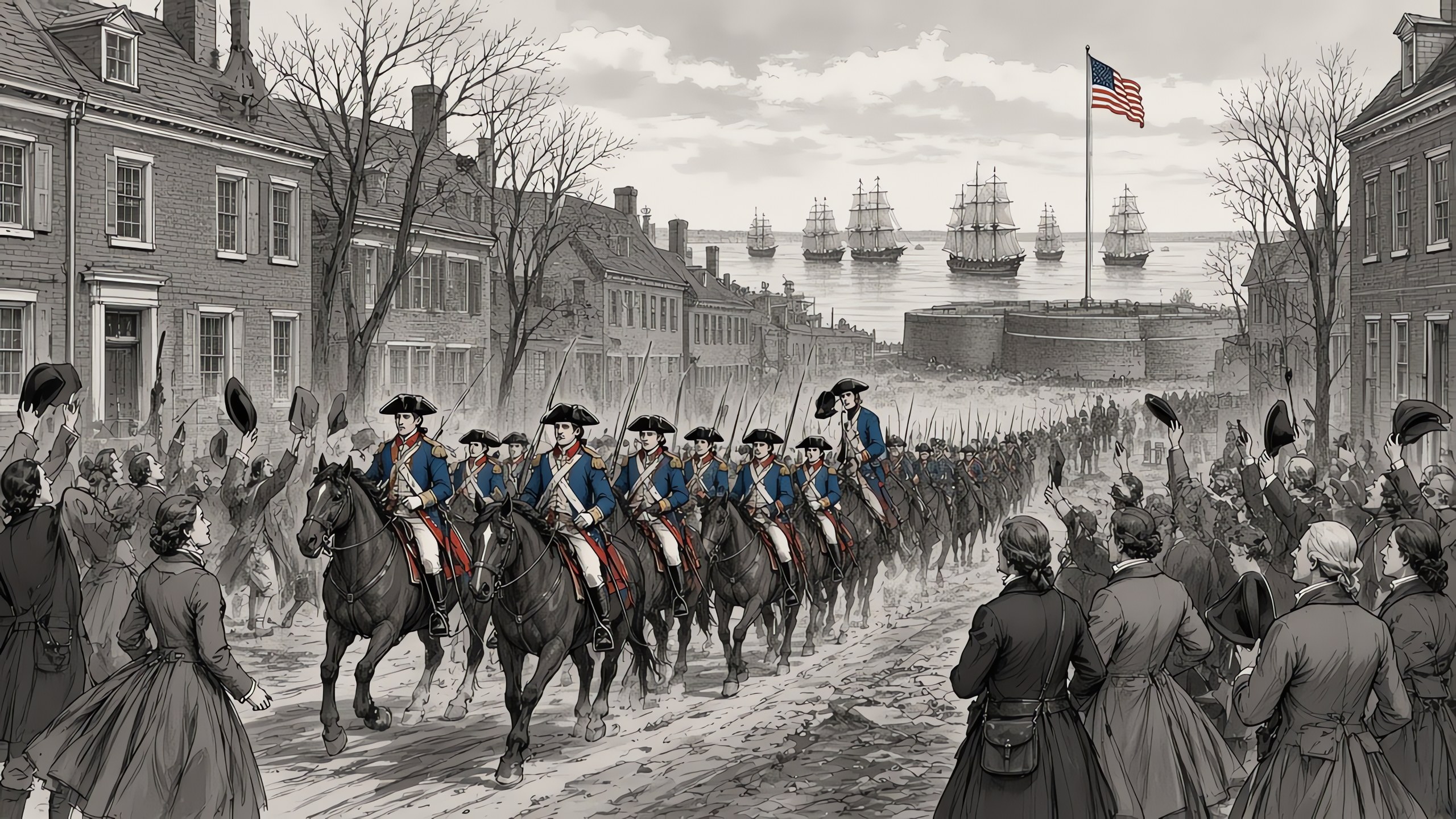
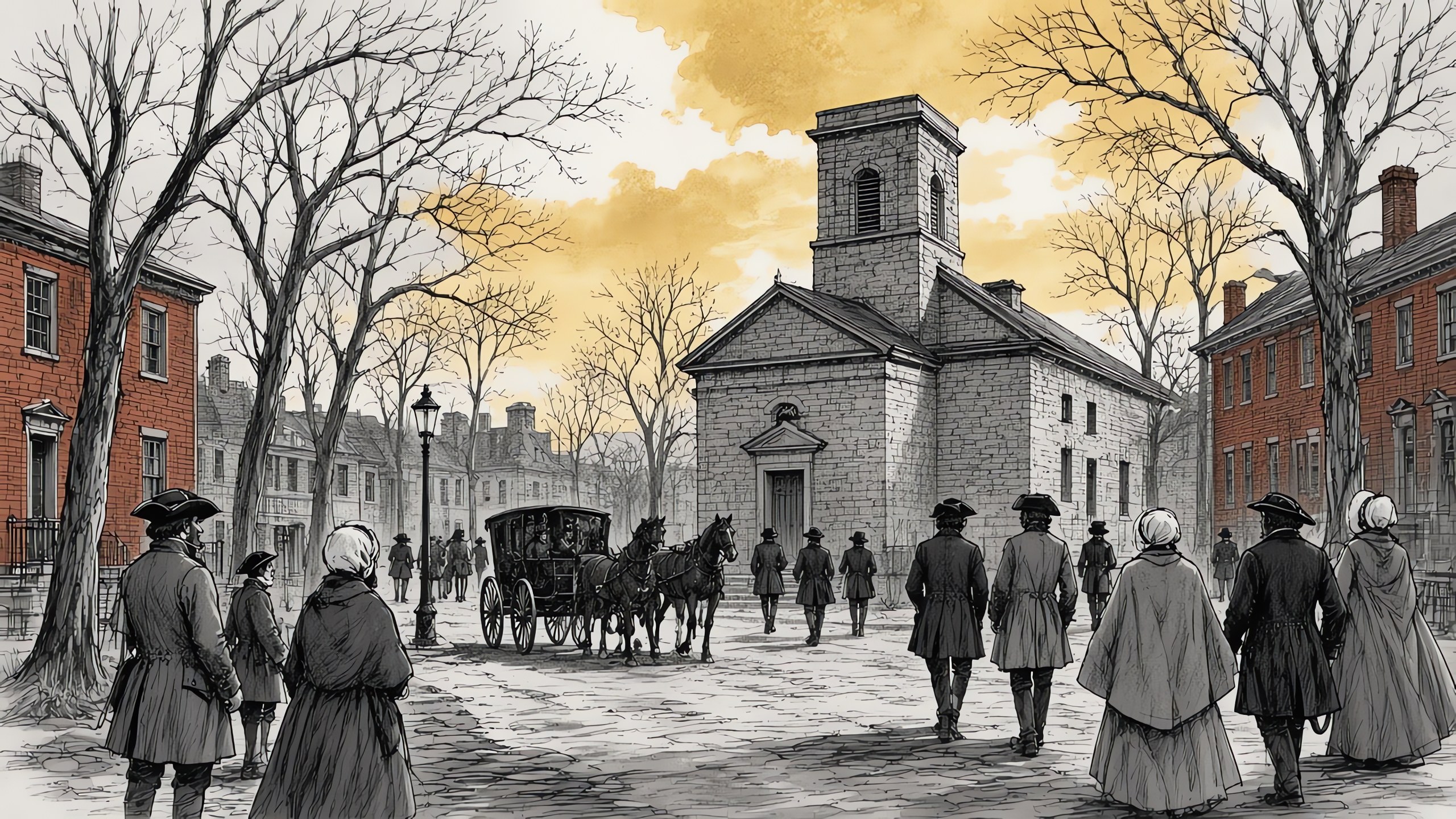
On November 25, 1783, the last British troops marched out of New York City and boarded the ships waiting in the harbor. Their departure ended an occupation that had lasted more than seven years. That afternoon, General George Washington led the Continental Army into Manhattan, and for generations afterward New Yorkers celebrated the date as Evacuation Day.
British forces had seized the city in September 1776 after defeating Washington’s army on Long Island. For the rest of the war New York served as the main British base in North America. It became crowded with soldiers and Loyalist refugees, and much of it was scarred by a great fire in 1776. Thousands of American prisoners died aboard prison ships anchored in Wallabout Bay.
The occupation also drew thousands of people who had escaped slavery, after British commanders promised freedom to those who fled from Patriot owners. When the war ended, their fate became a point of conflict. Sir Guy Carleton, the British commander, refused to return them to their former enslavers and recorded about 3,000 Black Loyalists in a register known as the Book of Negroes before they sailed to Nova Scotia and other parts of the empire.
The Treaty of Paris, signed in September 1783, formally ended the Revolutionary War, but evacuating the city took months. Carleton had to arrange passage for tens of thousands of Loyalists who feared reprisals. He finally set noon on November 25 as the hour of departure, and American troops under General Henry Knox moved in as the British pulled back.
According to a well-known story, the departing soldiers left a final insult. They nailed a British flag to the flagpole at Fort George on the Battery, removed the cleats and greased the pole. Several men failed to climb it before a veteran named John Van Arsdale used newly nailed cleats to reach the top, tear down the flag and raise the Stars and Stripes while the British fleet was still in sight.
Washington and New York governor George Clinton then rode down through Manhattan at the head of the army as crowds lined the streets. That evening Clinton hosted a dinner at Fraunces Tavern, where the company drank thirteen toasts to the new nation, its allies and its soldiers. A few days later the last British detachments left Governors Island and Staten Island.
Washington remained in the city for several more days. On December 4 he said farewell to his officers at Fraunces Tavern, and later that month he resigned his commission before Congress at Annapolis.
For more than a hundred years Evacuation Day was one of New York’s great holidays, marked with parades, fireworks and flag raisings. Its importance faded after the late nineteenth century, as Thanksgiving took over the late November calendar and Britain and the United States grew closer. The day is still remembered as the moment the Revolution truly ended in the city where the war had seen some of its darkest years.
We strive for accuracy. If you see something that doesn't look right, click here to contact us!
 Contact Us
Sponsored Content
Sojourner Truth abolitionist, women’s…
Pioneering abolitionist and women's…
First streetcar railway in…
Explore the profound history…
Father Edward Sorin arrives…
On November 26, 1842,…
The United States observes…
On November 26, 1789,…
Kappa Alpha Society, the…
On November 26, 1825,…
US President Franklin Roosevelt…
On November 26, 1941,…
