
Flashback to August 27
American History
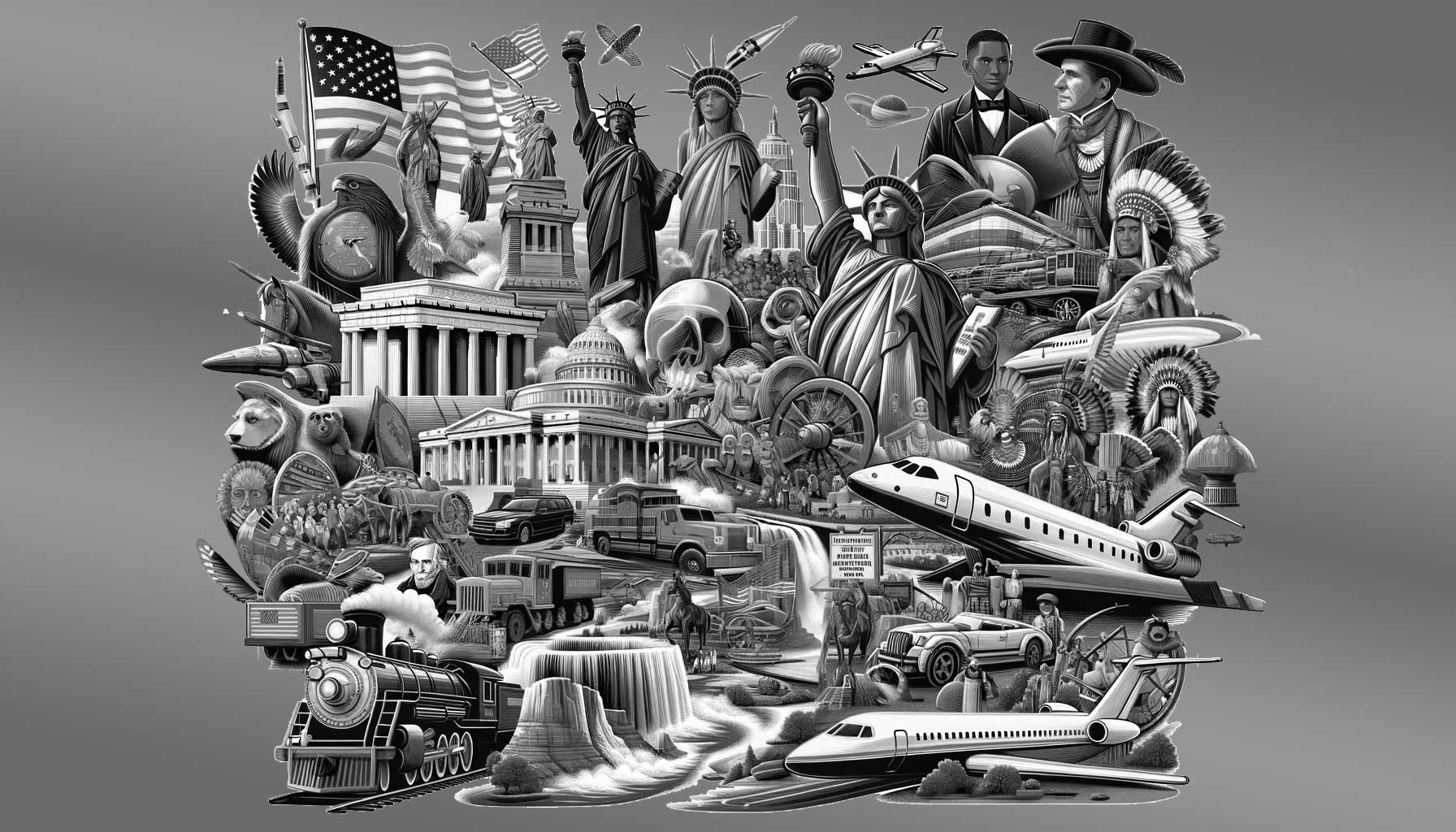
On June 19, 1968, history was made as a staggering 50,000 individuals came together to participate in the Solidarity Day March of the Poor People’s Campaign. This monumental event, which took place in Washington D.C., was a powerful demonstration of unity and a call for equality and justice for all Americans.
The Poor People’s Campaign was a national movement that aimed to address the issues of poverty, racism, and inequality in the United States. Led by civil rights leaders such as Dr. Martin Luther King Jr. and Ralph Abernathy, the campaign sought to bring attention to the plight of those living in poverty and advocate for meaningful changes in policies and systems that perpetuated this injustice.
The Solidarity Day March was a pivotal moment in the history of the Poor People’s Campaign. It served as a platform for individuals from all walks of life, regardless of their race, gender, or socioeconomic status, to come together and amplify their voices. The sheer number of participants demonstrated the widespread support and urgency for addressing the issues of poverty and inequality.
The march was characterized by a spirit of unity and solidarity. People from various backgrounds and communities joined forces, marching side by side with banners, signs, and chants demanding justice. The diversity of the participants was a testament to the fact that poverty and inequality were not limited to any particular group but affected individuals and families across the nation.
The event began with a rally at the National Mall, where influential speakers addressed the crowd, sharing stories of struggle and resilience. The speeches resonated deeply with the participants, igniting a renewed sense of determination to fight for change. Dr. Martin Luther King Jr., in his last major public address before his assassination, delivered a powerful speech that emphasized the need for unity and nonviolent resistance.
As the march progressed through the streets of Washington D.C., it garnered the attention of both local and national media. The extensive coverage helped bring the message and purpose of the campaign to a broader audience, shedding light on the realities faced by those living in poverty. The march provided a platform for individuals who had been marginalized and silenced to have their voices heard and their struggles acknowledged.
The Solidarity Day March also called for specific policy changes to address poverty and inequality. The campaign’s demands included a guaranteed annual income, affordable housing, access to quality healthcare, and better education opportunities. By clearly articulating these demands, the march served as a catalyst for dialogue and action among policymakers and the public.
Although the Solidarity Day March was a significant milestone in the Poor People’s Campaign, the fight for equality and justice did not end there. The campaign’s legacy lives on, inspiring future generations to continue working towards a more equitable society. Its impact can be seen in the ongoing activism and movements for social justice that persist to this day.
the Solidarity Day March of the Poor People’s Campaign on June 19, 1968, was a monumental event that brought together 50,000 individuals to advocate for equality and justice. The march served as a powerful demonstration of unity, amplifying the voices of those living in poverty and demanding necessary changes in policies and systems. Its significance resonates to this day, reminding us of the ongoing struggle for a more equitable society.
We strive for accuracy. If you see something that doesn't look right, click here to contact us!
 Contact Us
Sponsored Content
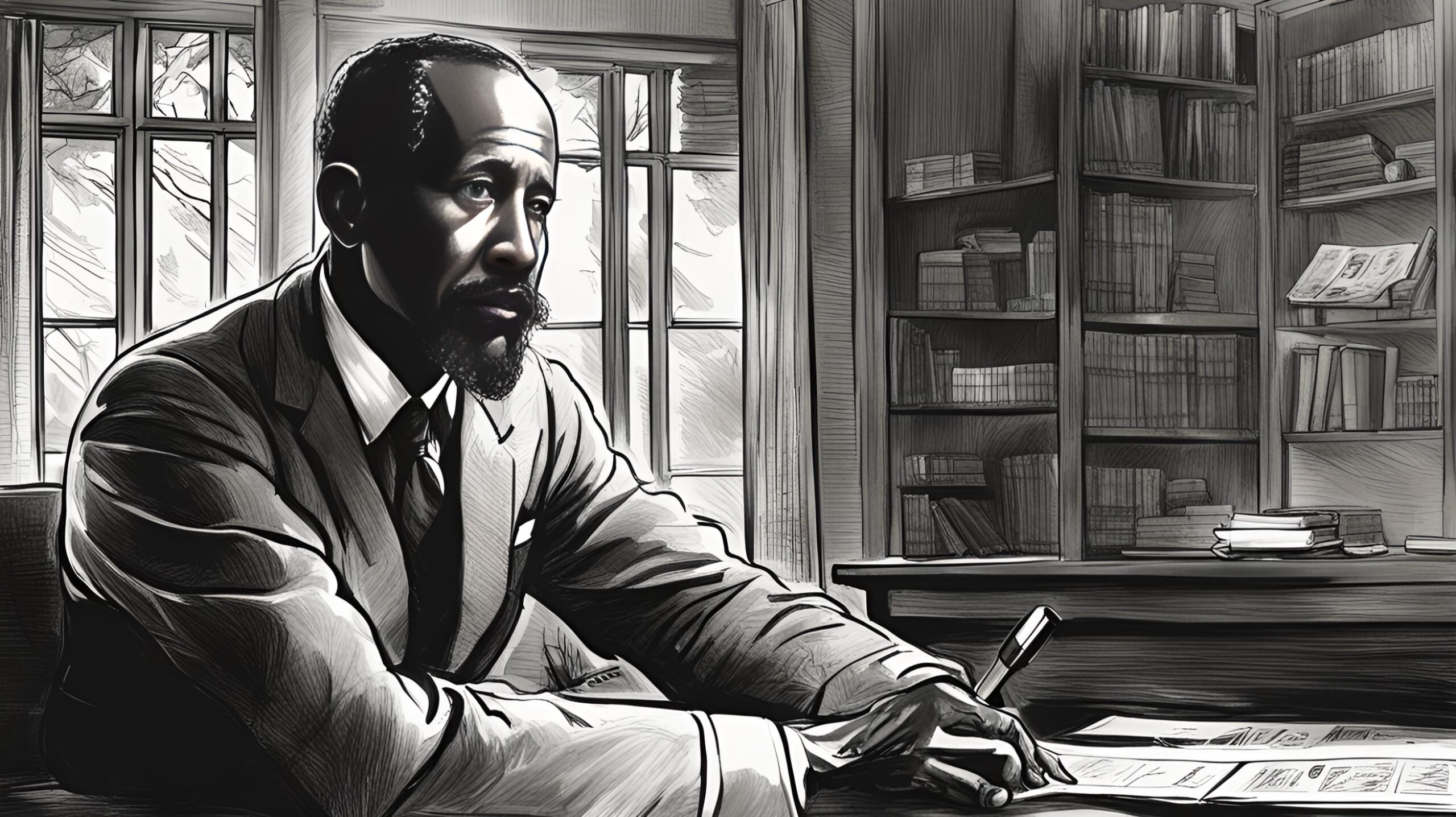
W E B Du…
Renowned scholar and NAACP…
