
Flashback to March 13
American History
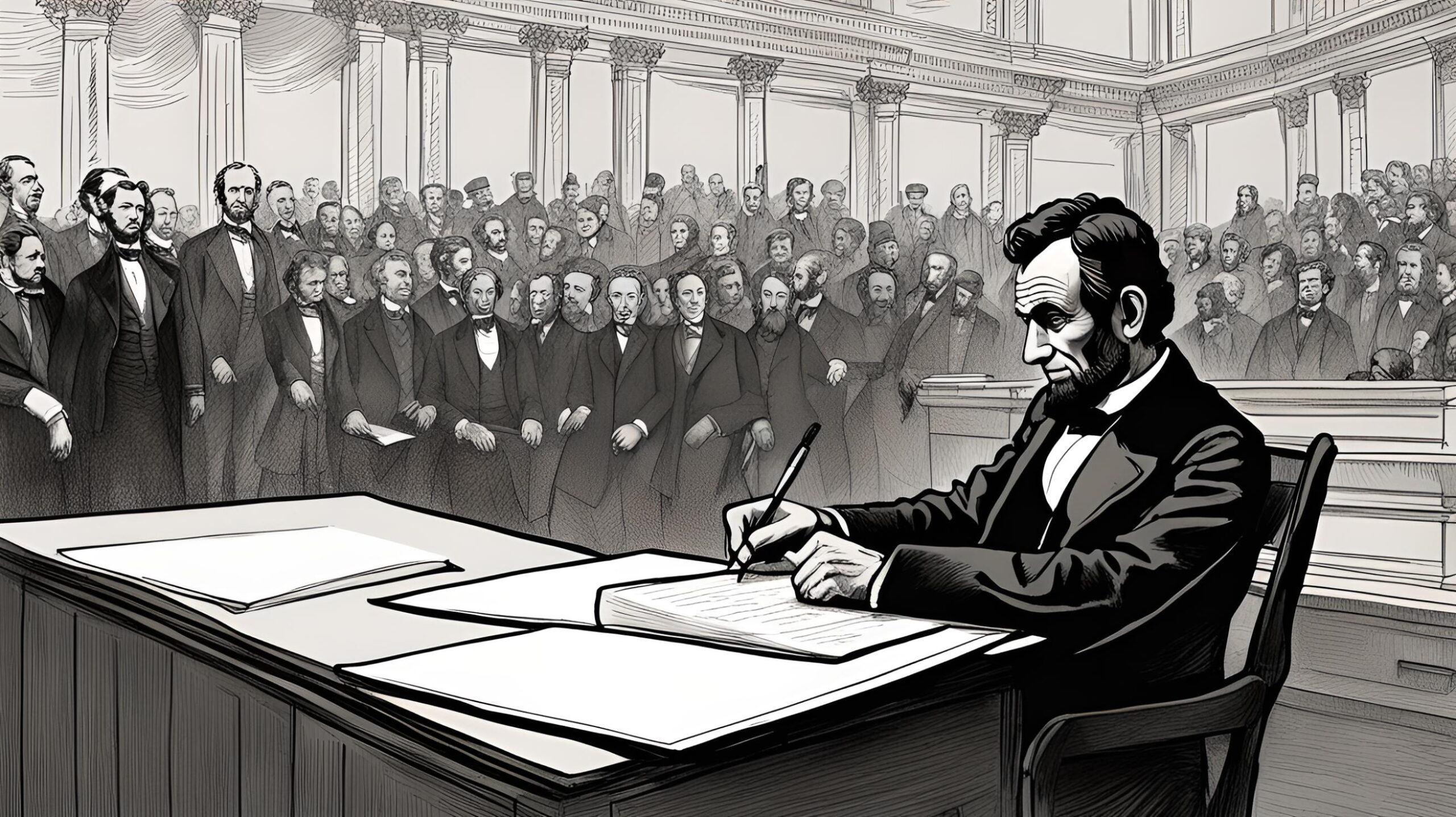
On July 7, 1863, the United States implemented its first military draft. This historic event marked a significant turning point in American history during the Civil War. The draft, intended to bolster the Union Army’s strength, required able-bodied men to enlist, unless they were able to purchase an exemption ticket for $100.
The Civil War was a time of great divide in America, and the Union Army faced a shortage of soldiers. To address this issue, President Abraham Lincoln signed the Enrollment Act in 1863, authorizing the implementation of a military draft. Under this act, all men between the ages of 20 and 45 were eligible to be drafted, unless they were exempted on certain grounds.
One of the most notable aspects of this draft was the exemption ticket system. Men who did not wish to serve in the military had the option to purchase an exemption ticket for $100. This provision became a subject of much debate and controversy. Critics argued that it gave an unfair advantage to the wealthier citizens, who could easily afford to opt out of military service. This led to widespread resentment and protests among those who felt it was unjust to allow exemptions to be bought.
Moreover, the exemption provision sparked class conflicts, with working-class citizens voicing their concerns about the privilege of the wealthy to escape the dangers of war. This sentiment intensified as the war went on and casualties mounted. It was seen as a war fought by the poor for the benefit of the rich. Opposition to the draft and the exemption system grew, leading to protests and riots in several cities across the nation.
One of the most infamous incidents related to the draft occurred in New York City, where the implementation of the draft led to violent riots known as the “Draft Riots” in July 1863. The riots lasted for four days and resulted in numerous deaths and significant property damage. The rioters, consisting mainly of working-class Irish immigrants, targeted African Americans, as well as symbols of wealth and privilege. The Draft Riots highlighted the deep-seated grievances and tensions among different classes in American society.
Although the military draft and the exemption ticket system were met with widespread criticism, they did play a role in boosting the Union Army’s strength during the Civil War. The draft successfully increased the number of troops in the army, ensuring a steady supply of soldiers to fight for the Union cause. However, it cannot be denied that the draft also caused significant economic and social unrest, leading to widespread discontent among the American public.
The United States’ first military draft, implemented on July 7, 1863, during the Civil War, was a divisive and controversial event. The exemption ticket system, allowing individuals to purchase an exemption from military service for $100, created a sense of injustice and inequality that resulted in protests, riots, and class conflicts. While the draft successfully increased the Union Army’s manpower, it also contributed to social and economic unrest. The repercussions of the first military draft continued to shape the history and memory of the Civil War in the United States.
We strive for accuracy. If you see something that doesn't look right, click here to contact us!
 Contact Us
Sponsored Content
Tennessee makes it unlawful…
On March 13, 1925,…
