
Flashback to March 3
American History

2003
US Attorney General John Ashcroft recuses himself and his office from the Plame affair
Read moreIn a significant turn of events on December 30th, 2003, U.S. Attorney General, John Ashcroft, decided to recuse himself and his office from the controversy that had been the buzz of the political world: the Plame affair. This intriguing event continues to be a relevant topic, not merely for those interested in American history but also for those studying law, ethics, or political science, as it reflects the importance of neutrality and impartiality in legal matters.
John Ashcroft was serving as the U.S. Attorney General under President George W. Bush during the time of the Plame affair. This case involved Valerie Plame, a former CIA officer whose identity was illegally unmasked by an anonymous source within the Bush administration. This unmasking led to significant political and security implications, making it a hotly debated issue in national politics. Ashcroft’s decision to recuse himself and his office from the case was, therefore, newsworthy.
As the U.S. Attorney General, John Ashcroft was the principal legal representative of the U.S. government. His primary responsibility was to protect and uphold the Constitution and the laws of the United States. Therefore, his withdrawal from one of the most significant legal cases of that time raises questions regarding the ethical and legal implications of such a decision.
Ashcroft’s move to step aside demonstrated his awareness of the potential for perceived conflicts of interest. It was the prudent thing to do, given his close personal and professional connection to several individuals involved in the case. Indeed, this recusal could be interpreted as a means to protect the integrity of the investigative process and to ensure that the pursuit of justice would not be compromised.
The announcement of recusal by U.S. Attorney General John Ashcroft generated mixed reactions. Some critics pounced on it as an admission of guilt or a tactic to avoid accountability. On the other hand, supporters praised Ashcroft’s commitment to maintaining the rule of law and minimizing any potential bias within the investigation.
Another critical aspect to consider regarding Ashcroft’s recusal is its timing. The Plame affair had been under investigation for several months before Ashcroft decided to recuse himself. The delay sparked speculations which suggested that Ashcroft’s recusal might have been motivated by impending revelations or developments in the case.
The recusal of the U.S. Attorney General and his office from the Plame affair resulted in the appointment of a special counsel, Patrick Fitzgerald, to take over the investigation. Fitzgerald’s appointment was a pivotal moment in the case. His impartiality and diligence during the investigation proved vital in unveiling the truth behind the Plame affair.
When we dive into the depth of U.S. Attorney General John Ashcroft’s recusal from the Plame affair, we find ourselves facing intriguing questions regarding legal ethics, transparency, and the imperative to remain impartial in high-stake scenarios. Through his recusal, Ashcroft demonstrated that the rule of law is paramount, even in the most politically charged cases, and that maintaining the trust and confidence in the justice system should be the topmost priority.
the repercussions of Ashcroft’s recusal from the Plame affair illuminated the tension between political inclinations, ethics, and the commitment to uphold the rule of law. Though it happened in 2003, the incident continues to echo in the annals of American history, providing an enduring lesson about the importance of impartiality and the value of principled leadership in upholding justice. It serves as a reminder that the preservation of public trust in the legal system is paramount, even when faced with political intrigue and charged narratives.
We strive for accuracy. If you see something that doesn't look right, click here to contact us!
 Contact Us
Sponsored Content
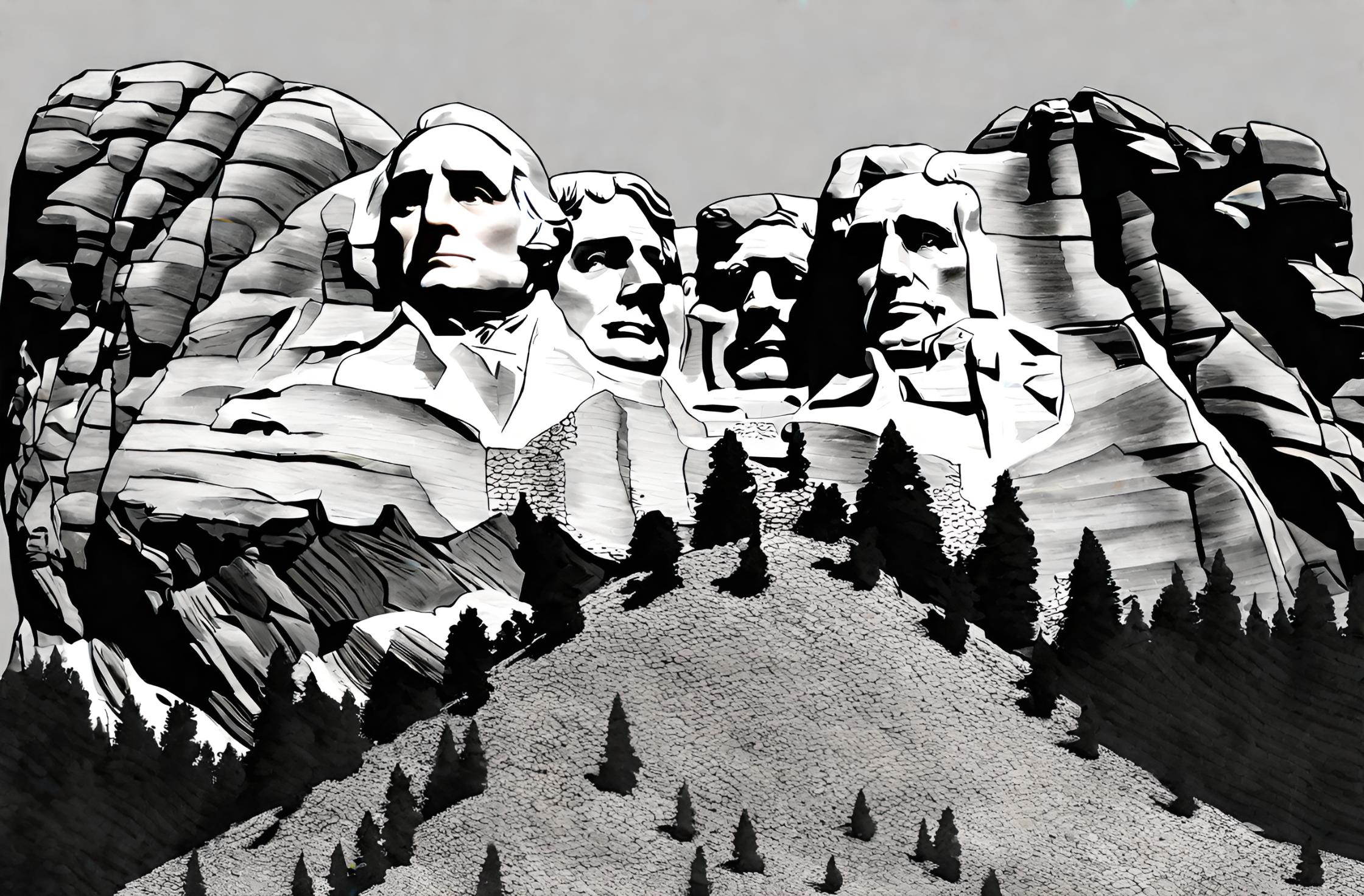
Mount Rushmore is dedicated
On March 3, 1933,…
American Revolution: The Continental…
On March 3, 1776,…
First US law overriding…
On 3/3/1845, the First…
US Congress increases Supreme…
On 3/3/1837, the US…
US performs nuclear test…
On March 3, 1965,…
