
Flashback to February 28
American History

On February 28, 1956, a tragic train crash occurred in the small town of Swampscott, Massachusetts, USA. Thirteen lives were lost on that fateful day, leaving the community mourning and grappling with the devastating aftermath. This incident serves as a reminder of the importance of safety measures and the need for continuous improvement to prevent such tragedies in the future.
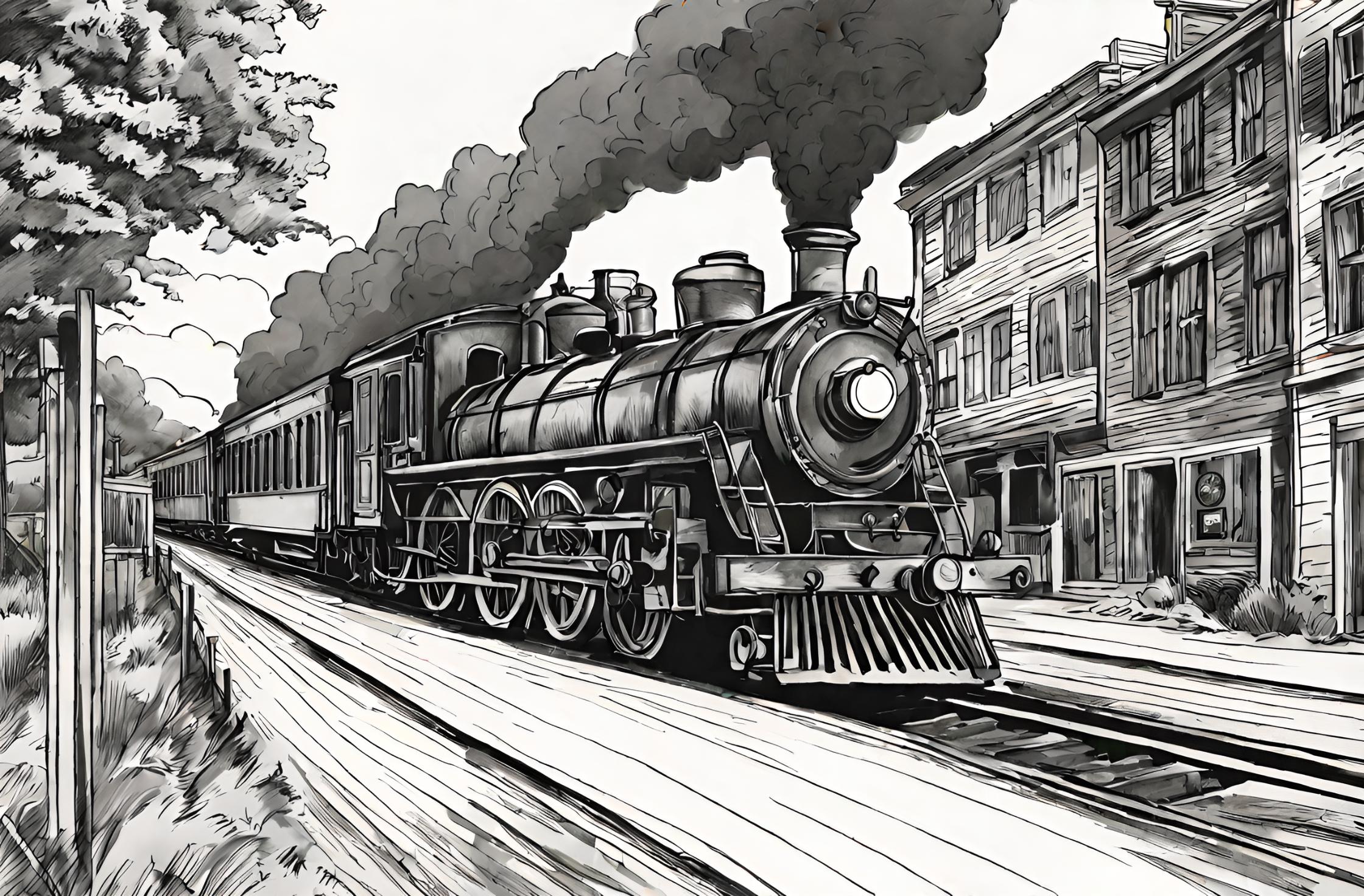
The train crash took place at the Swampscott Railway Station, a busy hub for commuters and travelers. The two passenger trains involved, one heading northbound and the other southbound, collided head-on, resulting in a catastrophic accident. The impact caused multiple cars to derail and caused extensive damage to the infrastructure. Emergency responders rushed to the scene, trying their best to rescue survivors and provide medical assistance to those in need.
The immediate aftermath of the crash was chaotic, with a scene of disarray and anguish. Families and loved ones of the passengers anxiously waited for news of their whereabouts, hoping for their safe return. However, the heartbreaking truth eventually emerged, revealing the loss of thirteen innocent lives. The community rallied together, offering support and condolences to the grieving families, as they began the arduous journey of healing.
In the wake of the tragedy, investigations were launched to determine the cause of the crash. The authorities focused on various factors, including train operations, signaling systems, and human error. It was discovered that a miscommunication between the train operators and an issue with the signaling system contributed to the collision. This incident served as a wake-up call for the railroad industry to reassess and enhance safety protocols to prevent similar accidents from happening again.
As a result of the Swampscott train crash, significant changes were implemented in the railway system. Safety regulations were revised, with stricter guidelines for train operators, signaling systems, and overall infrastructure maintenance. The incident prompted the development and adoption of new technologies and procedures to enhance train safety, such as improved communication systems and advanced warning systems.
Today, train safety continues to be a top priority for transportation authorities. Continuous improvements in technology and safety protocols have significantly reduced the risk of train accidents. However, it is crucial to remain vigilant and responsive to emerging challenges to ensure the safety of passengers and employees.
The tragic train crash in Swampscott serves as a poignant reminder of the human cost of transportation accidents. Each life lost was a loved one, a friend, a family member, and their absence is deeply felt. The memories of those who perished in the crash live on in the hearts of their loved ones and the community, reminding us of the need to prioritize safety at all times.
the train crash in Swampscott, Massachusetts, on February 28, 1956, was a heartbreaking tragedy that claimed the lives of thirteen individuals. The incident triggered vital changes in the railway industry, leading to stricter safety regulations and the adoption of new technologies. It serves as a somber reminder of the importance of continuous improvement in preventing such accidents and protecting the lives of those who rely on train transportation.
We strive for accuracy. If you see something that doesn't look right, click here to contact us!
 Contact Us
Sponsored Content
The Baltimore and Ohio…
On February 28, 1827,…
Thirteen die in a…
On 2/28/1956, a tragic…
Confederate raider “Nashville” sinks…
On February 28, 1863,…
US performs nuclear test…
On February 28, 1980,…
Roger Scott is tried…
On February 28, 1646,…
The University of Utah…
On February 28, 1850,…
