
Flashback to April 17
American History
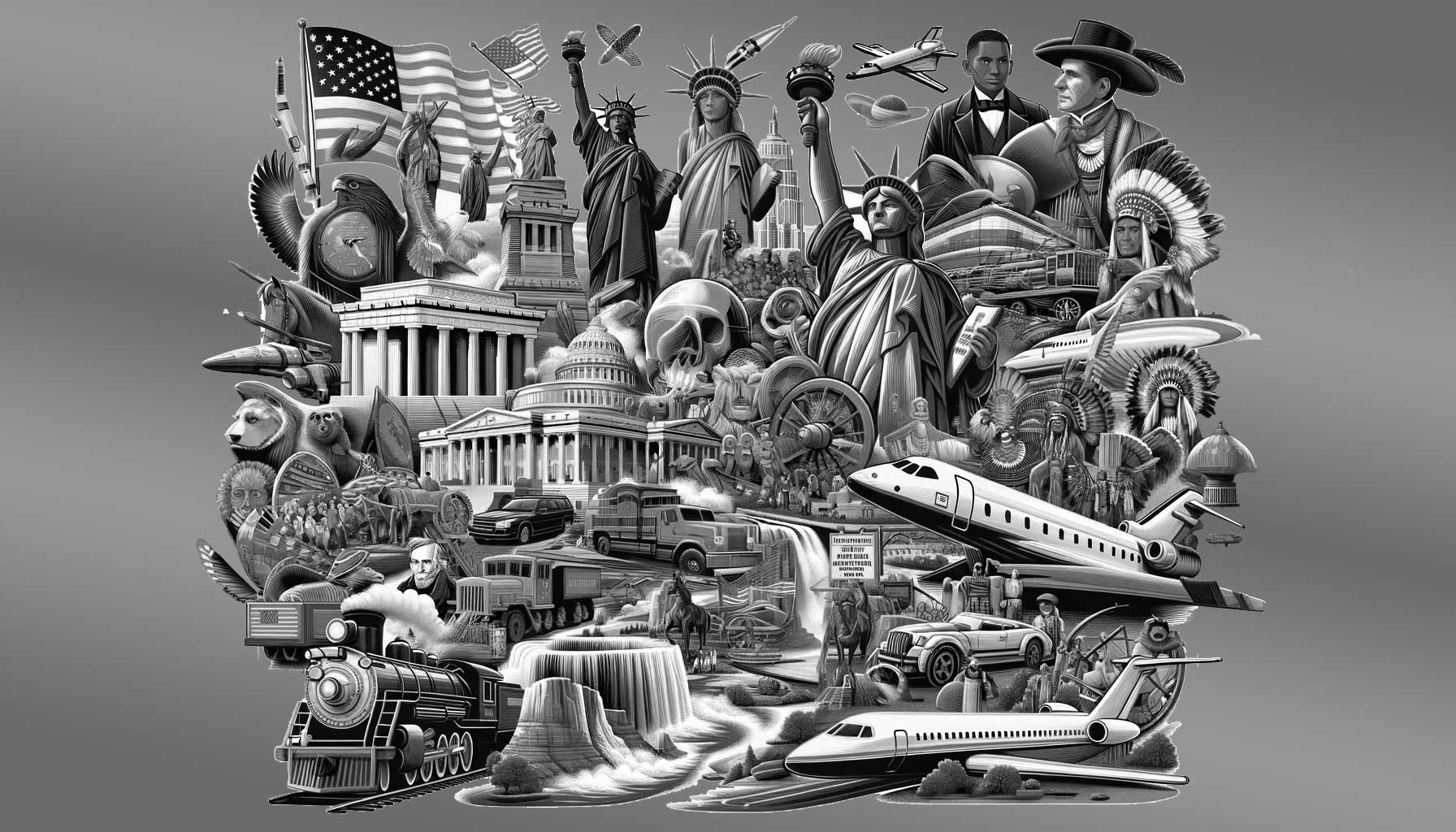
On July 24, 1935, a scorching heat wave swept across the Midwestern United States, with temperatures reaching a staggering 109°F (44°C) in Chicago, Illinois, and 104°F (40°C) in Milwaukee, Wisconsin. This extreme weather event was part of the larger phenomenon known as the Dust Bowl, which caused severe drought and immense dust storms throughout the 1930s. The peak of the heat wave on this particular day served as a grim reminder of the devastating impact of the Dust Bowl on the region.
The Dust Bowl was a period of severe drought that occurred during the Great Depression, primarily affecting the Great Plains of the United States. A culmination of a series of poor land management practices, severe drought, and economic challenges, the Dust Bowl resulted in the displacement of thousands of people and significant damage to agricultural lands.
The heat wave that struck Chicago and Milwaukee on July 24, 1935, intensified the already dire conditions during the Dust Bowl. With temperatures exceeding 100°F (37°C), the excessive heat exacerbated the dry conditions, further drying up crops, soil, and water sources. The high temperatures and lack of rainfall created a perfect recipe for creating dust storms and devastated the local agriculture.
In addition to the economic and agricultural impact, the extreme heat also posed significant health risks to the population. Heat-related illnesses, such as heat stroke and dehydration, became a major concern. The vulnerable, including children and the elderly, were particularly susceptible to the adverse effects of the heat wave. The lack of resources and infrastructure to cope with such extreme conditions made the situation even more challenging for the affected communities.
During the Dust Bowl, the unprecedented combination of drought, heat waves, and dust storms had a profound impact on the landscape and social fabric of the affected areas. The topsoil, essential for agriculture, was eroded due to strong winds carrying away the dust and debris. The resulting dust storms not only affected the agricultural sector but also caused respiratory problems for many residents.
To mitigate the effects of the Dust Bowl, various measures were implemented. The federal government introduced programs such as the Soil Conservation Service and the Civilian Conservation Corps to restore the land, prevent erosion, and promote sustainable agricultural practices. Additionally, the planting of windbreaks, creating shelterbelts, and contour plowing were some of the techniques employed to preserve soil moisture and counteract the effects of the drought.
Although the July 24, 1935 heat wave was a single event within the broader Dust Bowl period, it served as a significant milestone and a reflection of the severity of the environmental crisis at hand. The extreme temperatures experienced in Chicago and Milwaukee highlighted the urgent need for measures to combat the Dust Bowl’s devastating effects.
Today, the Dust Bowl remains a cautionary tale about the consequences of unsustainable land practices, climate change, and their impact on local communities. By studying this period of history, we can learn valuable lessons about the importance of responsible land management, water conservation, and the need for resilience in the face of extreme weather events.
The July 24, 1935 heat wave was a stark reminder of the challenges faced by the people of Chicago, Illinois, and Milwaukee, Wisconsin, during the Dust Bowl era. The scorching temperatures intensified the already dire conditions, leaving a lasting impact on the region’s agriculture, environment, and public health. Remembering this event serves as a call to action to protect our lands, combat climate change, and ensure a sustainable future for generations to come.
We strive for accuracy. If you see something that doesn't look right, click here to contact us!
 Contact Us
Sponsored Content
Apollo program: The ill-fated…
The ill-fated Apollo 13…
Mark W Clark, US…
Mark W Clark, US…
Daniel Smith Donelson Confederate…
Daniel Smith Donelson, a…
