
Flashback to March 18
Sports History

On January 1, 1954, history was made in the world of sports broadcasting. The Rose Bowl and Cotton Bowl became the first-ever sporting events to be colorcasted. This groundbreaking development revolutionized the way people experienced and enjoyed sports from the comfort of their own homes.
Before the introduction of color broadcasting, sports enthusiasts relied solely on radio broadcasts or attending live events to follow their favorite teams. However, the introduction of color television added a new dimension to the viewing experience. It brought the vibrant colors of the game straight into people’s living rooms, creating an immersive experience that had never been seen before.
The Rose Bowl, the annual college football bowl game held at the Rose Bowl Stadium in Pasadena, California, was the first to be colorcasted on January 1, 1954. Viewers were able to witness the iconic Rose Parade and the exciting football game in vivid color for the first time. It was a historic moment that captured the attention of millions across the nation.
Simultaneously, the Cotton Bowl, another prestigious college football bowl game held in Dallas, Texas, also made history by broadcasting their event in color. The matchup between Rice University and the University of Alabama brought the excitement of the game to life on television screens across the country.
The introduction of colorcasting had a significant impact on sports broadcasting as it enhanced the overall viewing experience. The ability to see the vibrant green of the football field, the brightly colored uniforms of the players, and the intensity of the game in real-time elevated the entertainment value for viewers.
Color broadcasting not only enriched the visual experience but also provided valuable insights for fans. Viewers could now easily distinguish players on the field, track the movement of the ball, and gain a deeper understanding of the game. This development allowed fans to engage more actively with the sport and increased their enjoyment and appreciation for the athletes’ skills.
Moreover, the introduction of color broadcasting opened up new horizons for advertisers. The vivid colors on television screens made commercials more visually appealing and captivating to viewers. Advertisers quickly recognized the potential of this new medium and began exploring creative ways to showcase their products during live sporting events.
The success of the colorcasts of the Rose Bowl and Cotton Bowl paved the way for future sporting events to be broadcasted in color. The technology continued to evolve, and by the 1960s, color television sets became more accessible to the general public. This led to a surge in demand for color broadcasts, making it the standard for sports events and other television programming.
The Rose Bowl and Cotton Bowl colorcasts of 1954 marked a significant milestone in the history of sports broadcasting. This technological advancement transformed the way people consumed and experienced sports, offering a more engaging and immersive viewing experience. The legacy of these pioneering colorcasts continues to shape the landscape of sports broadcasting today, where high-definition broadcasts in vivid color are the norm.
the colorcasts of the Rose Bowl and Cotton Bowl on January 1, 1954, were groundbreaking events that revolutionized sports broadcasting. The introduction of color television brought the vibrant colors of the game into people’s homes, elevating the viewing experience and providing valuable insights for fans. This milestone in broadcasting history paved the way for future technological advancements and forever changed the way we enjoy sports from the comfort of our own living rooms.
We strive for accuracy. If you see something that doesn't look right, click here to contact us!
 Contact Us
Sponsored Content
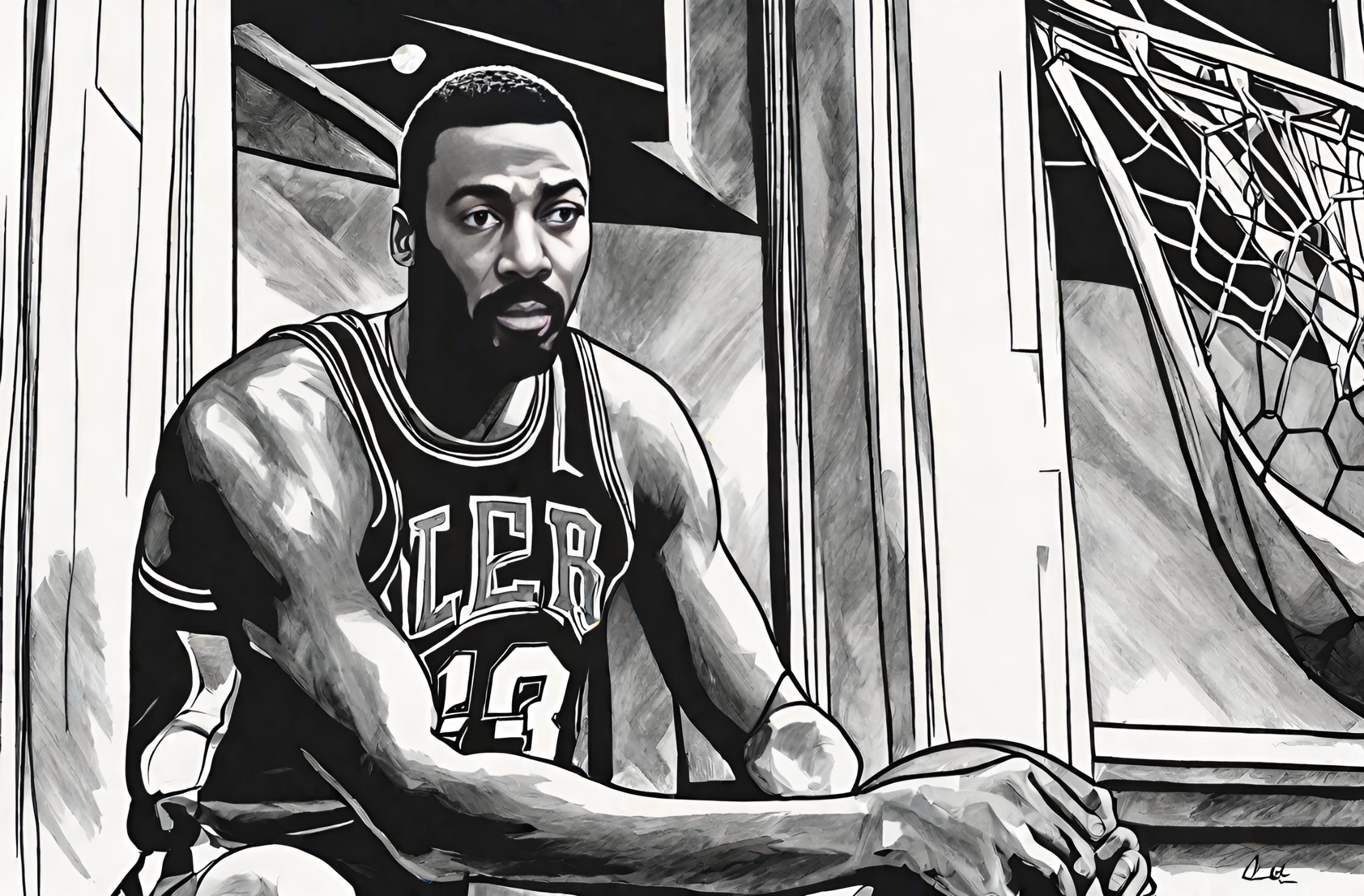
Philadelphia ’76ers retire Wilt…
On 3/18/1991, the Philadelphia…
Ajax (Amsterdam Football Club),…
Ajax (Amsterdam Football Club)…
George Wood, England cricket…
George Wood, a prominent…
