
Flashback to December 8
World History
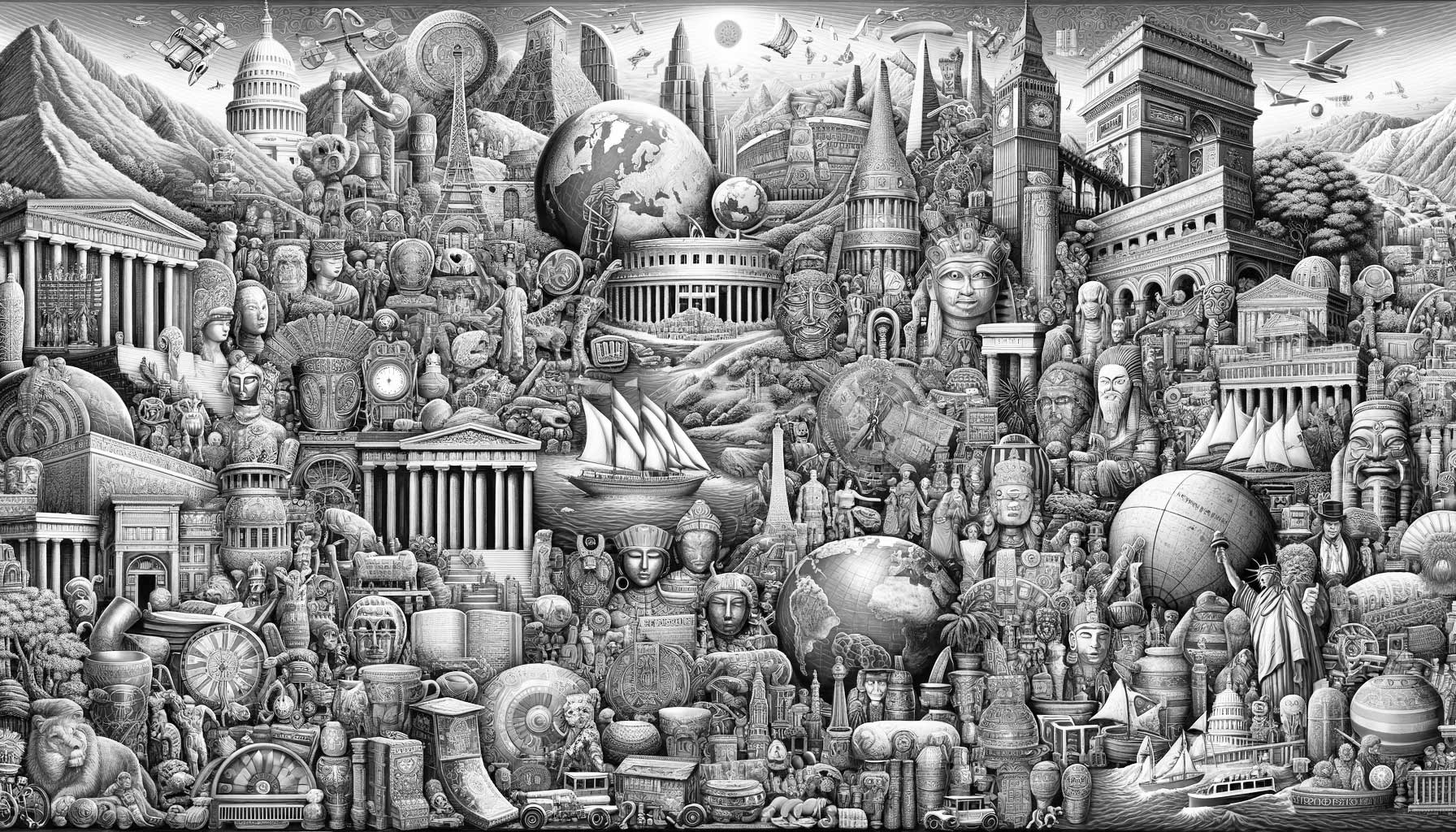
The climactic event on December 29, 1989, when riots erupted in Hong Kong following the government’s decision to forcibly repatriate Vietnamese refugees, is deeply etched in the annals of Hong Kong’s tumultuous history. A broad spectrum of society was embroiled in the resultant chaos that reverberated across the region, bringing into sharp focus the plight of refugees and the unyielding stance of the Hong Kong administration.
Hong Kong’s decision to repatriate the Vietnamese refugees was precipitated by a confluence of factors. The city, already grappling with an influx of asylum seekers, was under tremendous strain to maintain its resources. The decision to repatriate was seen as a measure to alleviate this strain, underscoring the stark reality of the refugee crisis in the city.
The nights following the announcement witnessed an explosion of pent-up frustration, fear, and anger. The streets of Hong Kong, typically bustling with the vibrant hum of city life, took on a different life as rioting crowds spilled out, protesting against the government’s decision. Hong Kong’s decision to repatriate Vietnamese refugees had set off a chain of reactions that culminated in an expression of public fury.
Social media was awash with images of burning barricades, protesters clashing with riot police, and the widespread damage caused by rioters who were sharply critical of the government’s decision. These vivid images became potent symbols of resistance against the Hong Kong government, resonating with broad sections of society who had long been disillusioned with policies perceived as harsh and inhumane.
The streets of Hong Kong echoed with cries of defiance: powerful, poignant, and stirring. Tear gas and water cannons couldn’t stifle these voices; instead, they galvanized broader public sentiment. It was clear the decision to forcibly repatriate Vietnamese refugees had touched a nerve that precipitated these dramatic events.
The forcible repatriation issue was further complicated by the wave of international condemnation that followed the rioting. Global human rights organizations, prominent world leaders, and advocacy groups condemned the Hong Kong government’s decision, igniting a passionate debate about human rights, refugee protection and governmental responsibility.
The world media, too, wasn’t far behind. Churning out op-eds, think pieces, and dispatches straight from the troubled streets of Hong Kong, they provided global audiences with a front-row seat to the unfolding drama. Social media platforms were flooded with hashtags such as #HongKongRiots and #VietnameseRefugees, risking the flame of worldwide discussion.
While the government stood by its decision citing concerns about public order and best use of resources, critics argued that it was a demonstration of the state’s hardline policy against refugees. They countered that the decision was a stark violation of the principle of non-refoulement, a cornerstone of international refugee law that prohibits the expulsion of refugees to a place where their lives or freedom could be threatened.
Forced repatriation not only betrays a dire lack of compassion, critics argued, but it also undermines the spirit of international cooperation in dealing with refugee crises. The forcible repatriation of Vietnamese refugees had served to stir up a hornet’s nest, opening up fresh debates on humanitarian policy, refugees’ rights and state responsibility.
In the wake of the riots, the question remains as to the long-term implications of such an episode. Will this lead to an overhaul in how Hong Kong deals with refugees, or will it merely compound the hostility towards them? This contentious issue continues to stir passions even today, reflecting the deep schisms in society that arise from questions of humanitarianism, state policy, and refugee protection
The legacy of December 29, 1989, still reverberates through the streets of Hong Kong. The image of that night speaks volumes about the sheer ferocity of public discontent, the dire plight of refugees, and the increasingly tense relationship between the state and society. Such an event will continue to serve as a stark reminder of the unintended social and political upheaval that can result from controversial state policies, showcases the power of public protest, and highlights the enduring strength of a society that fights for justice.
We strive for accuracy. If you see something that doesn't look right, click here to contact us!
 Contact Us
Sponsored Content
Galileo Earth-1 Flyby
Witness the spectacular journey…
US and USSR sign…
On December 8, 1966,…
The Romanian Constitution is…
On December 8, 1991,…
Great Britain performs nuclear…
"Great Britain carried out…
Suriname army leader Desi…
On December 8, 1982,…
Holocaust: Gas vans are…
On December 8, 1941,…
