
Flashback to December 8
American History
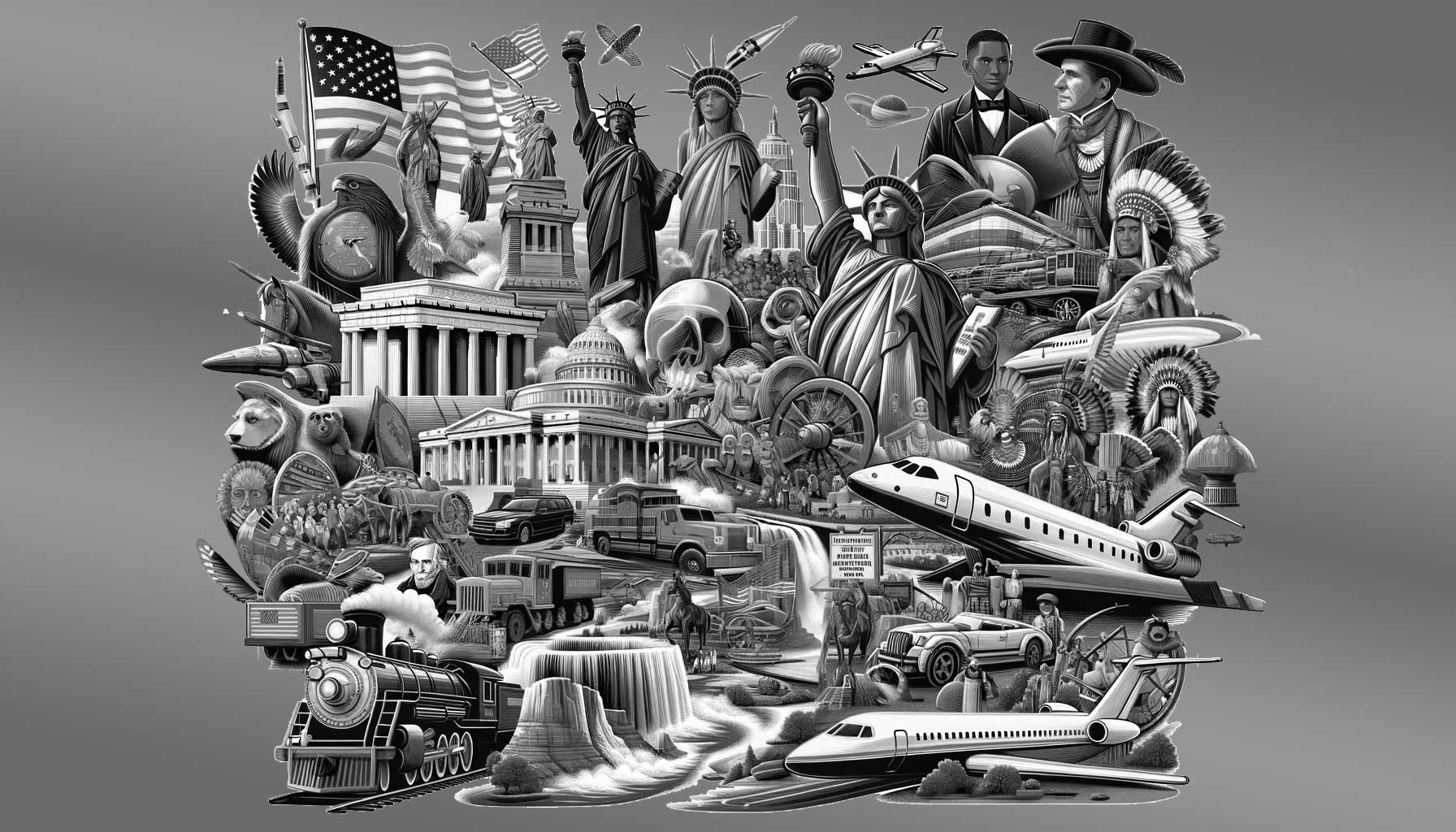
The tumultuous event that occurred on August 11th, 1964 in Paterson, New Jersey, is a significant part of America’s history. The incident is commonly referred to as the “Race riot in Paterson, New Jersey, USA.” It represented a surge of emotional unrest and social inequality that brought about a significant escalation in racial riots across the country.
This incident in Paterson, New Jersey, an industrial city of prominence, was ignited by an event that today seems mundane but, in the 1960s, was laden with racial tension. The arrest of a black man, charged with passing counterfeit bills, was the spark that lit the fuse. There was an immediate outcry in the African American community around perceived unjust treatment, and this quickly gathered momentum, polarizing the inhabitants of Paterson.
The Paterson race riot is often seen in the context of racial tensions that were becoming increasingly visible during the civil rights movement era. Comparable violent outbreaks occurred in other American cities, widely publicized and serving as an urgent call to action for equality, human rights, and social justice.
By deeply examining the event, we can better understand the socio-political dynamics that led to the race riot in Paterson, New Jersey, and its nationwide implications. Comprehensive understanding, executed with an empathetic lens, aids us in fostering a future where such incidents may be entirely prevented.
Unrest began on the fateful day in August 1964 and escalated rapidly, precisely illustrating how volatile racial tension was during this time. Despite the initial trigger—a counterfeit bill—we must understand that underlying systemic racism and social inequities were the real forces propelling the unrest. A grassroots sense of injustice was deeply ingrained in Paterson’s African American community, providing fertile ground for the unprecedented riot that would ensue.
This civil unrest in Paterson was rampant and unsustainable, leading to looting, arson, and damaging property in several parts of the city. It reflected the broader pattern of racial violence and unrest sweeping America, indicative of deeper-rooted issues of systemic racism that were bubbling beneath the surface.
A notable aspect of the race riot in Paterson was the response of authority figures and law enforcement. In many cases, this response exacerbated the situation, leading to further unrest. Protesting citizens were met with a swift and inflexible response, escalating a situation already teetering on the edge of chaos.
The race riot in Paterson propelled conversation about the challenges of racial inequality in America to the forefront. It served as a catalyst for introspection in several communities, prompting constructive dialogue on how to address these issues comprehensively.
Looking back at the race riot in Paterson, New Jersey, in 1964 is a stark reminder of our tumultuous past. Amid the shards of social unrest and the damaged sense of community, there remains a valuable lesson for future generations.
Though the riot was destructive, it also paved the way for essential discussions around race, equity, and social justice. In the years following the event, we can see notable improvements in legal rights, social programs, institutional policy changes, and overarching awareness of racial injustices. It is a testament to the long-standing resilience of grassroots activism and community efforts aiming to build a just society.
In retrospect, the race riot in Paterson, New Jersey, arises not as an isolated incident, but as a part of the broader struggles for civil rights and racial equality throughout American history. Knowing our history, and the steps it took to progress, equips us better to promote unity, foster diversity, and cultivate inclusivity for a brighter and more equitable future. It is a reminder of the continuous fight for justice, equality, and respect for all, which remains as vital today as it did half a century ago.
We strive for accuracy. If you see something that doesn't look right, click here to contact us!
 Contact Us
Sponsored Content
US House Democrats select…
"US House Democrats marked…
Demanding an end to…
On December 8, 1982,…
