
Flashback to March 10
American History
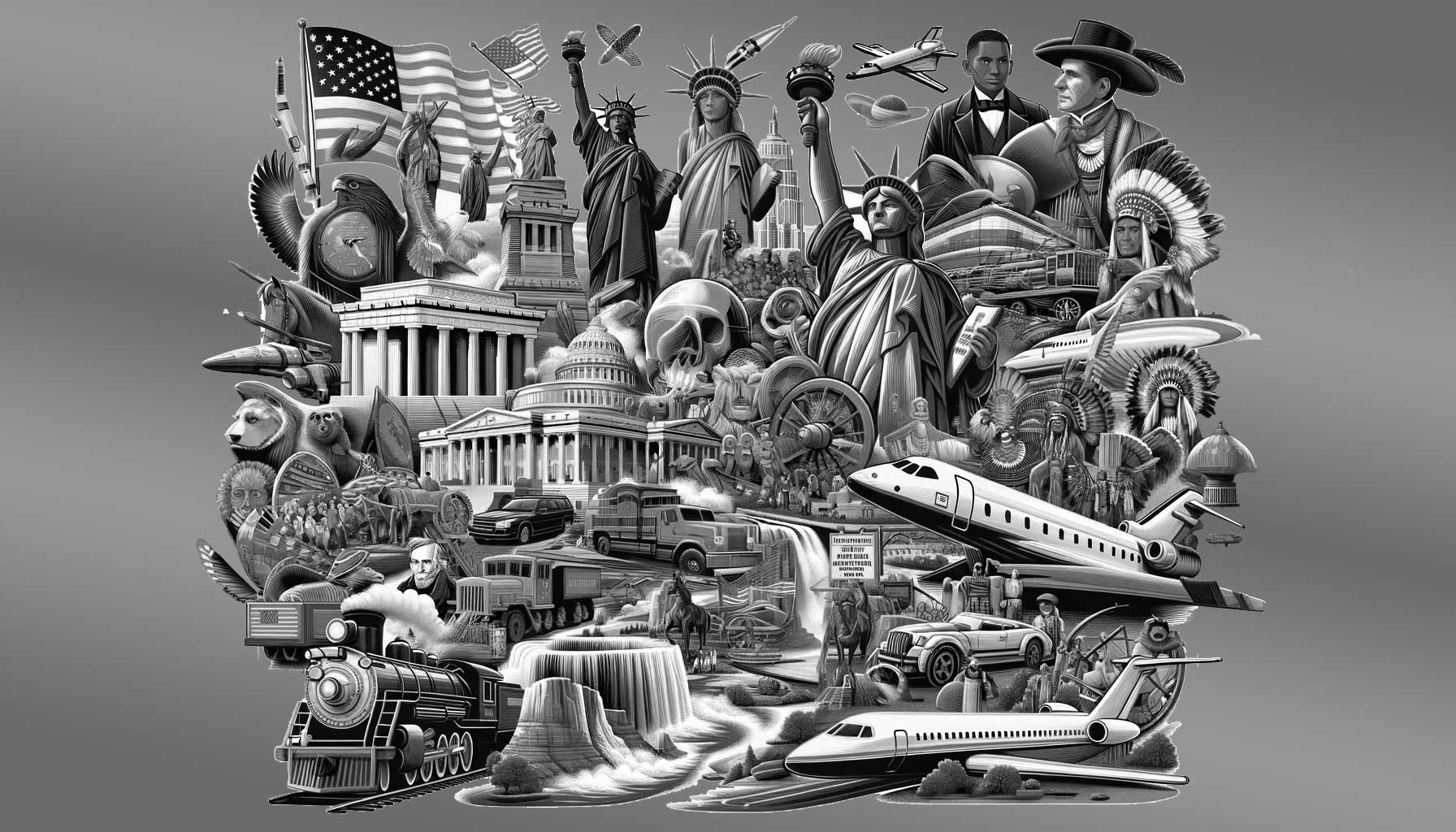
1917
Forty-eight die in rioting in East St. Louis, Illinois, as lower-paid black laborers clash with whites.
Read moreThe year 1917 marked a tumultuous period in the history of East St. Louis, Illinois, as the city became the backdrop for a tragic event that would forever be etched in the memories of its residents. On July 2nd of that year, a riot broke out, resulting in the deaths of forty-eight individuals. This devastating event was characterized by clashes between lower-paid black laborers and white residents, highlighting the deep-rooted racial tensions that plagued the United States at the time.
The East St. Louis riot of 1917 is an important historical event that sheds light on the systemic racism and discrimination faced by African Americans throughout the early 20th century. This tragedy serves as a reminder of the long and arduous journey towards racial equality that our society has undertaken.
The root causes of the riot can be traced back to the Great Migration, during which thousands of African Americans moved from the rural South to urban areas in search of better job opportunities and an escape from the oppressive Jim Crow laws. As the black population in East St. Louis grew, tensions began to simmer as competition for jobs escalated.
The catalyst for the riot was an incident that took place on July 1st, when a car carrying white individuals allegedly fired shots into a black neighborhood, resulting in the death of a black man. This act of violence incited anger among the black community, leading to retaliatory acts against white individuals and property the following day. The violence quickly spiraled out of control, with mobs looting, burning buildings, and attacking innocent individuals, both black and white.
Tragically, the local authorities and law enforcement did little to intervene and prevent the escalation of violence. Their inaction and refusal to respond swiftly created an environment of chaos and lawlessness, allowing the riot to continue unchecked for several days.
During the course of the riot, countless homes were destroyed, businesses were ransacked, and innocent lives were lost. The majority of the victims were black individuals, who bore the brunt of the violence perpetrated by white mobs. In addition to the immediate casualties, many others were injured, and entire communities were left devastated.
In the aftermath of the riot, both local and national attention turned toward the need for civil rights reforms and racial equality. The violence in East St. Louis served as a wake-up call for many Americans, highlighting the urgent need to address the systemic issues of racism and discrimination in the country.
The East St. Louis riot of 1917 marked a turning point in the fight for racial equality, fueling the efforts of civil rights activists and advocacy groups. It galvanized the African American community to demand justice and equal treatment under the law.
Today, as we reflect on the events that transpired on that fateful day, it is important to remember the lives that were lost and the impact that the riot had on shaping our nation’s history. It serves as a stark reminder that the fight against racism and discrimination is an ongoing battle, and that we must continue to work towards a future where such tragic events are not repeated.
In honoring the memory of those who perished in the East St. Louis riot of 1917, we must recommit ourselves to creating a society that values and celebrates diversity, a society where everyone is treated with dignity and respect, regardless of the color of their skin. Only through collective efforts can we strive towards a more equal and just future for all.
We strive for accuracy. If you see something that doesn't look right, click here to contact us!
 Contact Us
Sponsored Content
An earthquake in Long…
On March 10, 1933,…
Purdue University (Indiana) admits…
On March 10, 1874,…
Lucius E Burch Jr,…
Lucius E Burch Jr,…
