
Flashback to March 3
American History
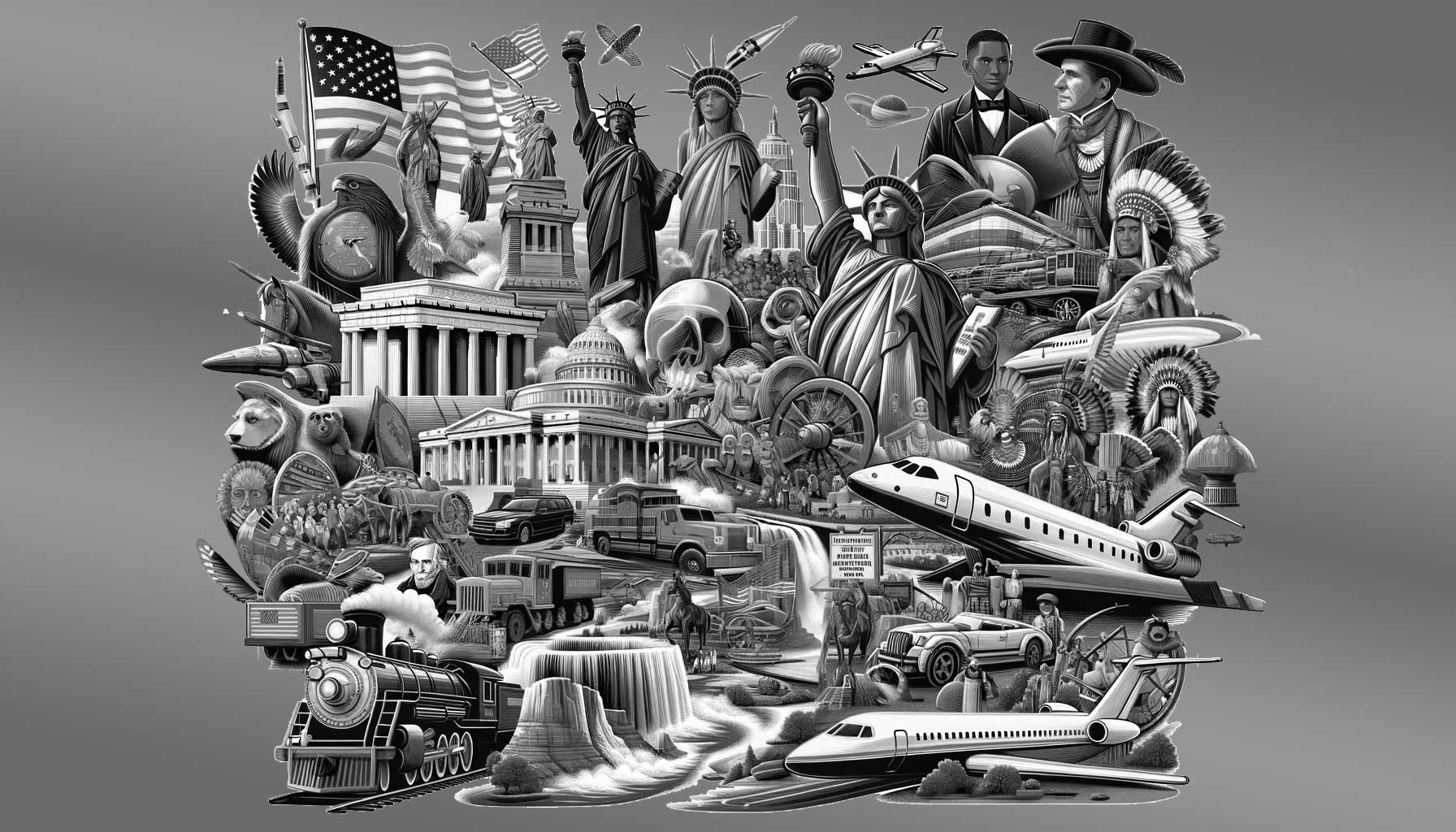
On June 2, 1913, a significant event took place in the history of labor relations – the first strike settlement mediated by the US Department of Labor involving railroad clerks. This event marked a turning point in labor negotiations and highlighted the increasing role of government intervention in resolving labor disputes.
In the early 20th century, tensions between workers and employers were on the rise, with demands for better working conditions, fair wages, and improved benefits. The railroad industry was not immune to these conflicts, and the railroad clerks, who played a vital role in the efficient functioning of the railways, found themselves at the center of this struggle.
The strike, initiated by the railroad clerks, began as a result of their dissatisfaction with long working hours, low wages, and the lack of job security. As the strike gained momentum, it threatened to disrupt railway operations across the country, which would have had a detrimental impact on commerce and transportation.
Recognizing the potential consequences of a prolonged strike, the US Department of Labor stepped in to mediate the dispute and facilitate a resolution. This intervention by the government marked a significant departure from traditional labor relations, where negotiations were primarily between the workers and the employers, often leading to prolonged strikes and sometimes violent conflicts.
The mediation process, led by representatives from the US Department of Labor, involved extensive negotiations between the railroad clerks’ union and the railroad companies. Both parties had their demands and grievances, and the mediators played a crucial role in finding common ground and facilitating a compromise that would serve the best interests of all parties involved.
The settlement reached in this mediated agreement addressed some of the key concerns raised by the railroad clerks. It included provisions for reduced working hours, increased wages, and improved job security. These concessions, on the part of the railroad companies, were seen as a significant victory for the workers and a step towards better working conditions in the industry.
The precedent set by this mediated settlement had a far-reaching impact on labor relations in the United States. It demonstrated the growing influence of the government in labor negotiations and set a precedent for future settlements and collective bargaining efforts. This event paved the way for the establishment of labor laws and regulations that aimed to protect the rights and interests of workers, ultimately leading to the formation of labor unions and the recognition of workers’ rights.
Moreover, the first strike settlement mediated by the US Department of Labor-railroad clerks highlighted the importance of effective mediation and negotiations in resolving labor disputes. It emphasized the benefits of addressing conflicts through peaceful means rather than resorting to strikes or other disruptive actions.
the first strike settlement mediated by the US Department of Labor involving railroad clerks in 1913 marked a defining moment in the history of labor relations. It showcased the increasing role of government intervention in resolving labor disputes, set a precedent for future negotiations, and emphasized the importance of peaceful conflict resolution. This event laid the foundation for improved working conditions and labor protections that workers continue to benefit from today.
We strive for accuracy. If you see something that doesn't look right, click here to contact us!
 Contact Us
Sponsored Content
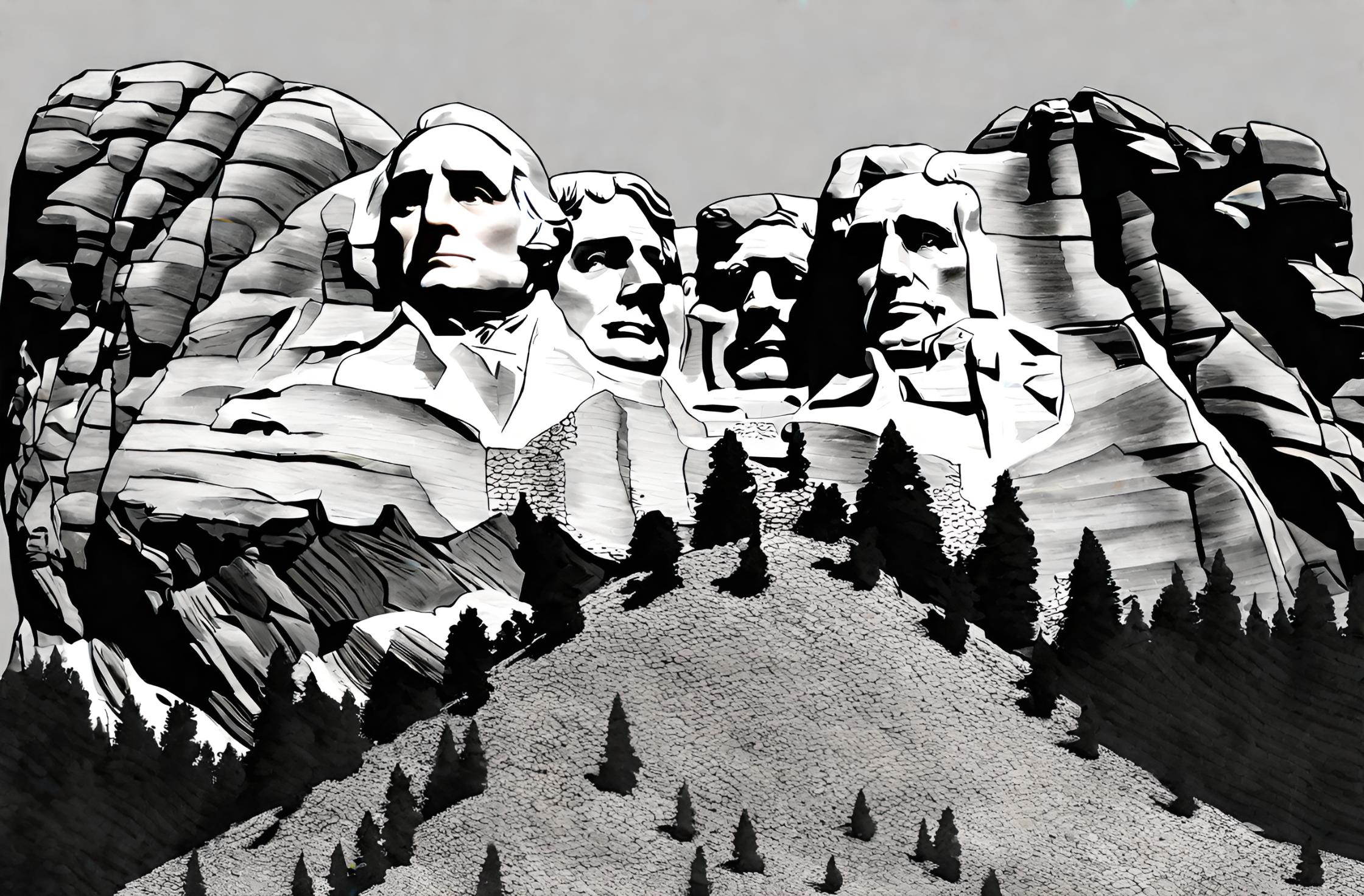
Mount Rushmore is dedicated
On March 3, 1933,…
American Revolution: The Continental…
On March 3, 1776,…
First US law overriding…
On 3/3/1845, the First…
US Congress increases Supreme…
On 3/3/1837, the US…
US performs nuclear test…
On March 3, 1965,…
