
Flashback to March 3
American History
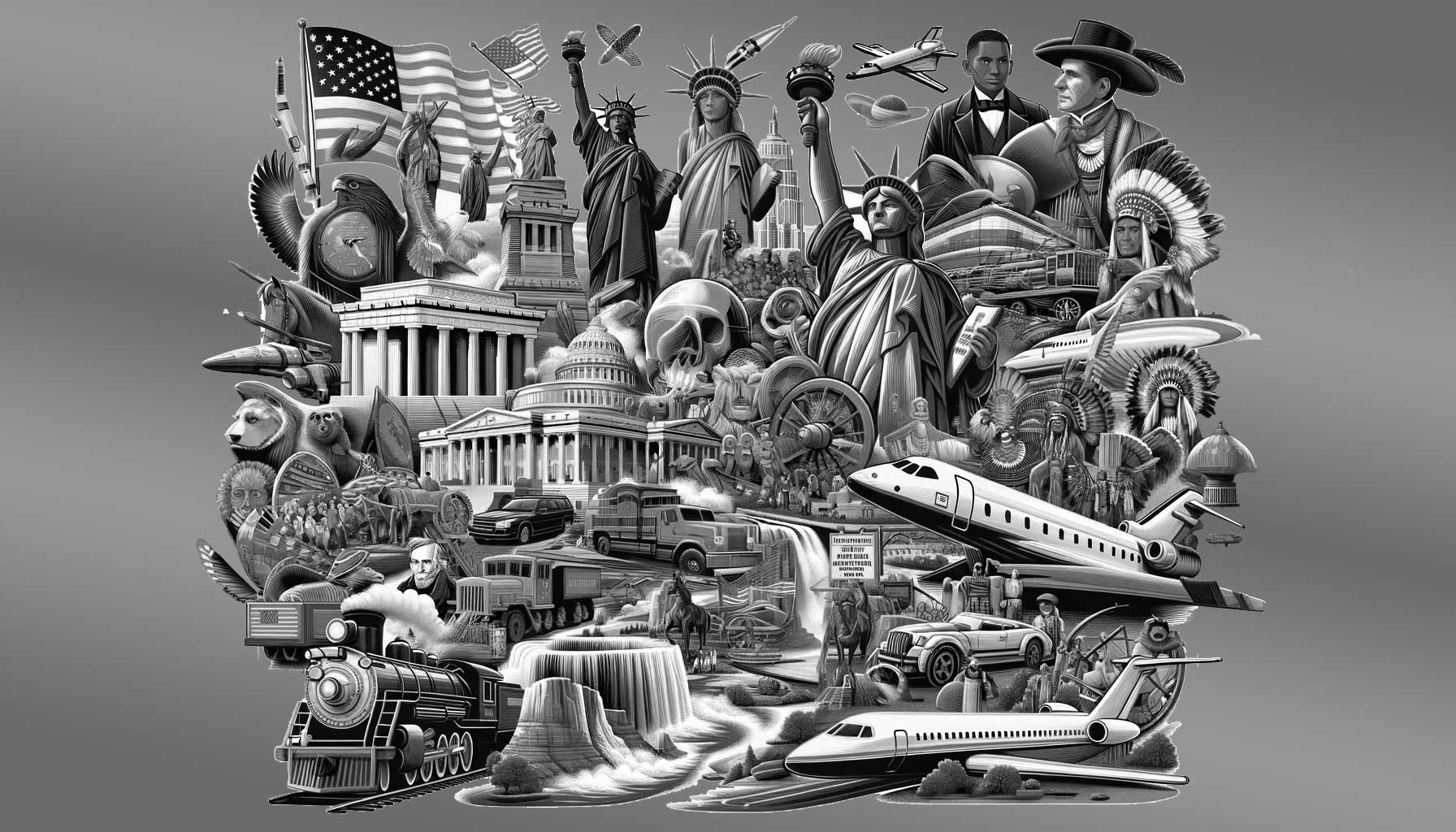
In the annals of American history, December 26, 1917, marks a significant milestone. On this day, amid the upheavals of World War I, the federal government took an intriguingly unprecedented step — taking over the operation of America’s entire railroad system for the extent of the conflict. This stern measure underlined the critical necessity of preserving and maximizing logistical resources during a bitter international struggle.
The decision to take over railroad operations came under the Woodrow Wilson government, amid the escalating necessities of the Great War. President Wilson emphasized that taking control of the railways was a crucial wartime measure, a strategic means to boost the country’s war efforts. It was a move aimed at streamlining, standardizing, and optimizing the rail transportation system to support the demands of swift mobility across the nation.
As soon as the federal government took over the railroads, the United States Railroad Administration (USRA) was born. This newly formed entity was tasked with the management and maintenance of all railroads across the country. The USRA operated approximately 175,000 miles of railroads, managing everything from the movement of goods to the service of over a million railway employees.
The formation and operation of the USRA were rooted in a fundamental premise of solidarity and heightened efficiency. U.S. railroads, traditionally fragmented, competition-driven, and irregular, desperately needed an overhaul to serve the nation’s unified war front. With the federal government’s intervention, the focus shifted from competition to cooperation, consequently promoting an efficient, streamlined transportation model that played a vital role in America’s WWI efforts.
The importance of the railroad system became more pronounced with the entry of the United States into World War I. Rail transportation was integral to carrying troops, ammunitions, and supplies, immunizing the warfront’s transport networks against potential disruptions. This is where the federally run USRA played a pivotal role, transforming logistical inefficiencies into highly streamlined systems that were proactive, agile and robust.
The government’s takeover of American railroads was not merely about control but reinvention. It was an exercise in comprehensive re-engineering, leveraging the strengths of standardization and unification. The USRA standardized locomotive designs, leading to greater efficiency and reduced costs. It also improved labor conditions, making generous wage increases. It is fair to say that the USRA radically reshaped the face of American railways for the duration of the war.
The federal government’s takeover of American railroads proved successful to a great extent. Evidence of this success could be observed in the consistency and reliability of war-related logistical support. It proved that large scale, centralized control could deliver substantial improvements, revolutionizing an industry that was previously anchored on individual corporate interests.
A key takeaway from this historical event is the strategic role of governmental intervention in certain circumstances. Public requirements, such as those demanded by an international war, can necessitate federal takeovers. It also shone a light on the merits of cooperative rather than competitive business operations.
Post-WWI, the control of railroads was returned to private corporations, but with a difference. The legacy of the federal government’s intervention continue to influence operational dynamics, with a more cooperative, centralized approach remaining in place.
As we revisit the history of the American railroad’s operation during WWI, it is a crucial precedent that validates the potential benefits of state intervention in times of crisis. Whether for ensuring the steady movement of goods, a solid logistical network for armies, or enhancing the overall effectiveness of wartime operations, the takeover was a bold strategy designed to maintain national unity and strength. The legacy of this monumental event continues to echo in the corridors of contemporary policy-making discussions, wherein the interplay of public-good and private enterprise is ceaselessly debated.
We strive for accuracy. If you see something that doesn't look right, click here to contact us!
 Contact Us
Sponsored Content
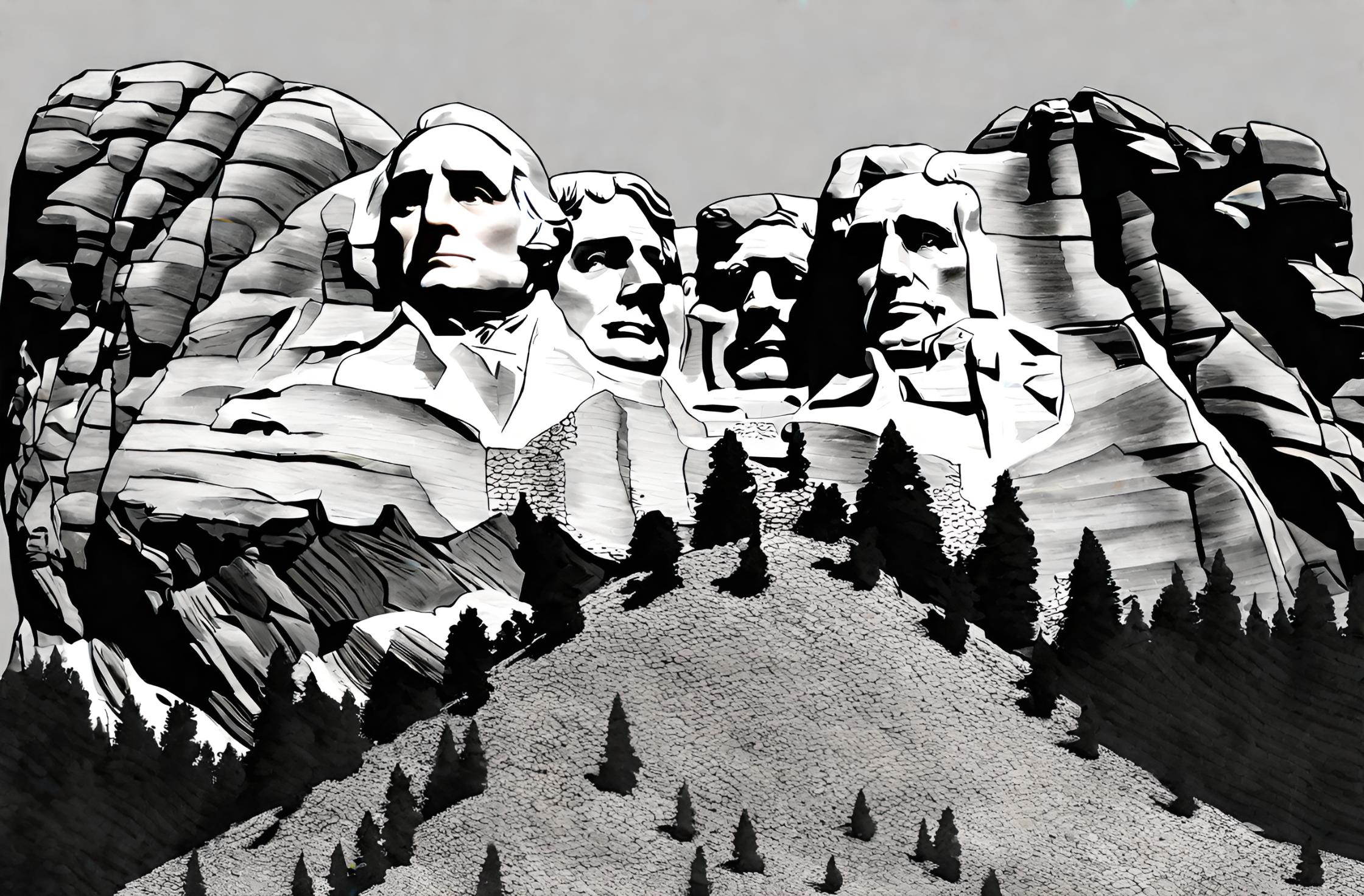
Mount Rushmore is dedicated
On March 3, 1933,…
American Revolution: The Continental…
On March 3, 1776,…
First US law overriding…
On 3/3/1845, the First…
US Congress increases Supreme…
On 3/3/1837, the US…
US performs nuclear test…
On March 3, 1965,…
