
Flashback to December 7
American History

On July 23, 1997, the highly influential Digital Equipment Corporation (DEC) made headlines when it filed antitrust charges against chipmaker Intel. This event marked a significant turning point in the relationship between these two tech giants and had far-reaching implications for the technology industry as a whole.
DEC accused Intel of engaging in anticompetitive practices, specifically alleging that the chipmaker abused its dominant market position to stifle competition. According to DEC, Intel had engaged in a range of anti-competitive behaviors, including unfair pricing practices, withholding technical information from DEC, and pressuring computer manufacturers to exclusively use Intel processors.
The allegations made by DEC were significant because at the time, Intel held a near-monopoly in the microprocessor market. Its chips powered the majority of personal computers and servers worldwide, making it an indispensable player in the industry. DEC, on the other hand, was a respected but struggling technology company that had experienced declining sales and market share.
Digital Equipment Corporation’s decision to take legal action against Intel was a bold move that aimed to challenge the status quo and bring fair competition back to the market. Antitrust laws exist to prevent monopolistic practices and promote healthy competition, and DEC sought to use them to its advantage.
The outcome of the legal battle between DEC and Intel would have profound implications for the entire technology industry. If DEC were successful in proving its allegations of anticompetitive behavior, it could potentially lead to significant changes in the microprocessor market, opening up opportunities for other chipmakers to compete more effectively with Intel.
However, the legal battle between DEC and Intel would prove to be long and complex, lasting for several years. Despite the serious allegations made by DEC, the case ultimately did not deliver the desired outcome for the company. In 1999, DEC was acquired by Compaq, and in 2001, Compaq was acquired by Hewlett-Packard, effectively bringing an end to DEC as an independent entity.
The high-profile case between DEC and Intel serves as a reminder of the challenges faced by smaller companies when trying to take on powerful industry leaders. While antitrust laws are meant to protect competition and prevent abuses of power, the reality is that legal battles can be costly, time-consuming, and ultimately, not guarantee success.
The case also highlights the delicate balance between innovation, market dominance, and fair competition in the technology industry. Intel, as the dominant player at the time, faced scrutiny for its practices, but it was also responsible for driving technological advancements and pushing the boundaries of what was possible in computing.
In the years following the DEC-Intel antitrust case, the technology landscape would continue to evolve rapidly. New players emerged, competition intensified, and the once-monolithic power of Intel began to wane. Today, there is a much greater diversity of chipmakers and processors available, with Intel facing strong competition from companies like AMD, Qualcomm, and Apple.
While the DEC-Intel antitrust case may not have resulted in the desired outcome for DEC, it sparked a broader conversation about fair competition and monopolistic practices in the technology industry. It served as a reminder that even the most dominant players are not immune to legal challenges and the need to respect the principles of fair competition.
the antitrust charges filed by Digital Equipment Corporation against Intel on July 23, 1997, had far-reaching implications for the technology industry. While the legal battle did not end in DEC’s favor, it brought attention to potential anti-competitive behavior and sparked a conversation about fair competition in the microprocessor market. The case serves as a reminder of the delicate balance between innovation, market dominance, and the need for healthy competition in the technology industry.
We strive for accuracy. If you see something that doesn't look right, click here to contact us!
 Contact Us
Sponsored Content
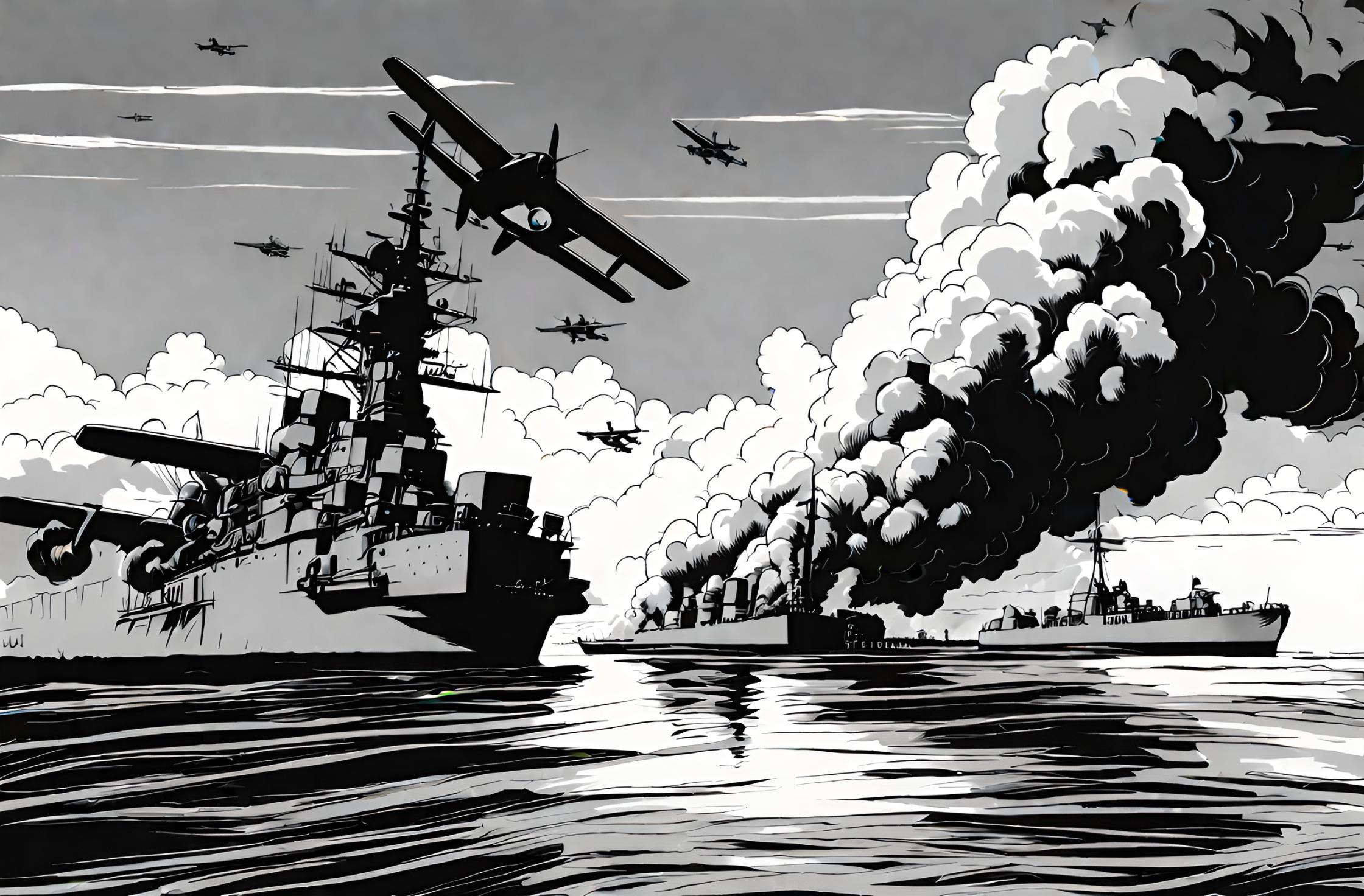
Bombing of Pearl Harbor
Experience the tragic history…
Rigoberto Alpizar shot and…
On December 7, 2005,…
Colin Ferguson opens fire…
"Tragedy unfolded on December…
Fire at Winecoff Hotel…
The infamous Winecoff Hotel…
