
Flashback to February 5
American History
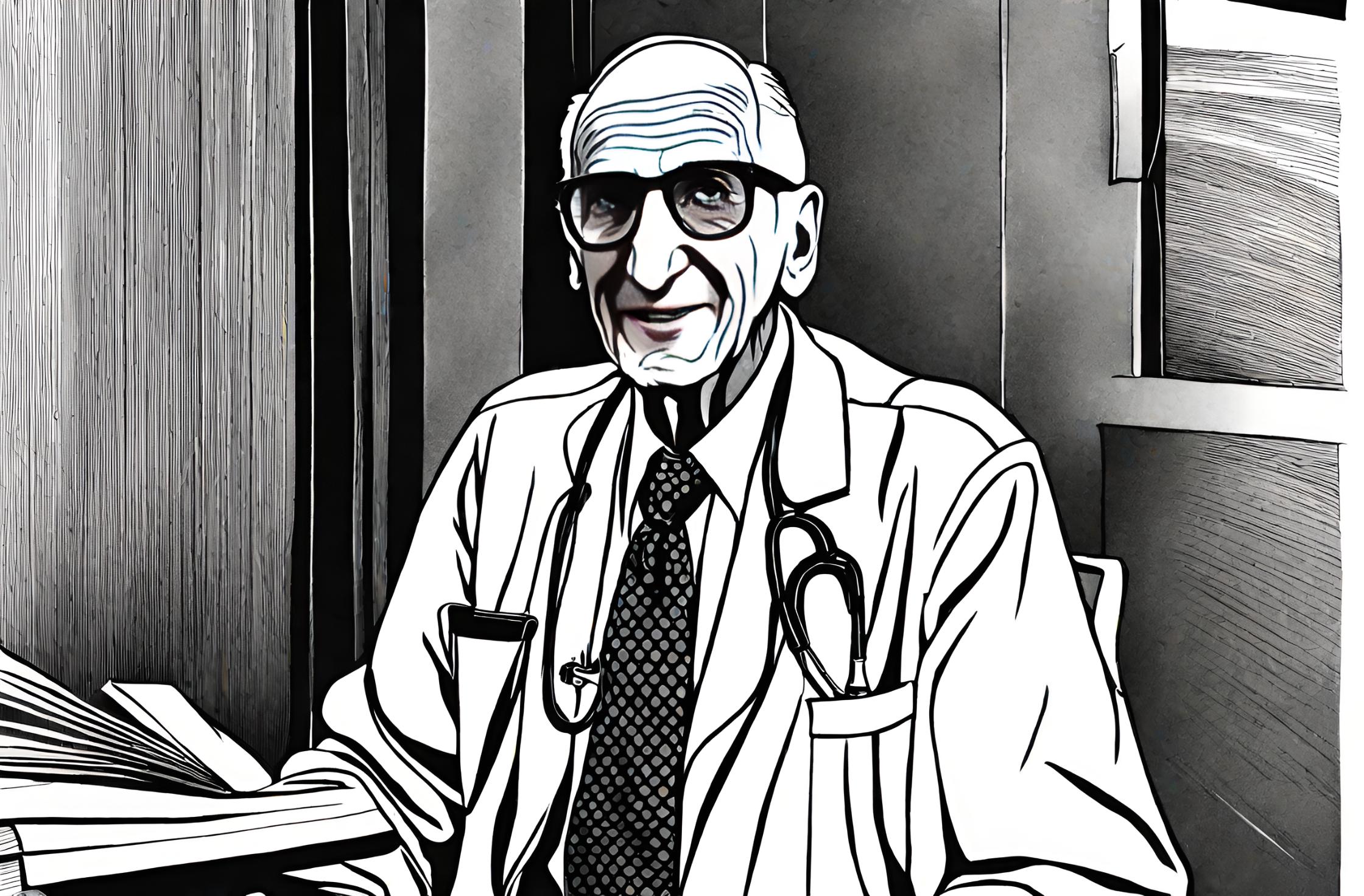
On February 5, 1991, a significant event took place in Michigan that sparked a nationwide debate on medical ethics and assisted suicide. Dr. Jack Kevorkian, a pathologist from Michigan, was barred by a court from assisting in suicides, leaving many questioning the rights of terminally ill patients. This event continues to be a topic of discussion and raises important questions about individual autonomy, medical ethics, and the role of the law in end-of-life decisions.
Dr. Jack Kevorkian gained national attention for his controversial stance on assisted suicide. He invented a device, commonly referred to as the “Mercitron,” which allowed patients to administer a lethal dose of medication to themselves. Kevorkian believed that individuals suffering from terminal illnesses should have control over their own deaths and have the right to end their suffering if they choose to do so.
However, his approach to assisted suicide was met with significant opposition from medical professionals, religious organizations, and the legal system. These opponents argued that assisting in suicide went against medical ethics and violated the sanctity of life. Many believed that it was not within a doctor’s role to end a patient’s life, regardless of their terminal condition.
In 1991, the Michigan court system stepped in to address the growing debate surrounding Kevorkian’s actions. The court barred Dr. Jack Kevorkian from assisting in suicides, ruling that his methods were illegal under Michigan law. This decision was seen as a significant setback for the assisted suicide movement and sparked widespread discussions on the ethical implications of end-of-life decisions.
Supporters of the court’s decision argued that protecting the sanctity of life and preventing potential abuse were essential considerations. They believed that safeguards should be put in place to ensure that vulnerable individuals were not coerced or pressured into making irreversible decisions about their own lives. Additionally, opponents pointed out that advancements in palliative care and pain management could provide alternative solutions for individuals suffering from terminal illnesses.
On the other hand, advocates for assisted suicide maintained that individuals should have the right to choose the manner and timing of their own deaths, especially if they were facing immense pain and suffering. They argued that assisted suicide could offer a compassionate and merciful option for those navigating the difficult journey of a terminal illness. For them, the court’s decision was a blow to personal autonomy and limited the rights of patients over their own bodies.
The court’s decision in 1991 did not put an end to the debate surrounding assisted suicide. In the years that followed, Dr. Jack Kevorkian continued to push the boundaries and advocate for change. In subsequent trials, he was eventually convicted of second-degree murder for assisting in the death of a terminally ill patient.
The case of Dr. Jack Kevorkian brought the issue of assisted suicide to the forefront of public discourse. It ignited conversations about individual autonomy, medical ethics, and the role of the law in end-of-life decisions. The debate continues today, with ongoing discussions on the topic in medical, legal, and ethical circles.
While some states have since legalized assisted suicide under specific circumstances, such as Oregon and Washington, the issue remains highly controversial. The legal, ethical, and emotional complexities of end-of-life decisions persist, and the conversation sparked by the events surrounding Dr. Jack Kevorkian’s actions in 1991 continues to shape the ongoing discourse on assisted suicide in the United States and around the world.
We strive for accuracy. If you see something that doesn't look right, click here to contact us!
 Contact Us
Sponsored Content
A Michigan court bars…
On 2/5/1991, a Michigan…

Arizona House of Representatives…
On February 5, 1988,…
South Carolina becomes the…
On February 5, 1778,…
US Congress overrides Wilson’s…
On February 5, 1917,…
