
Flashback to November 25
American History
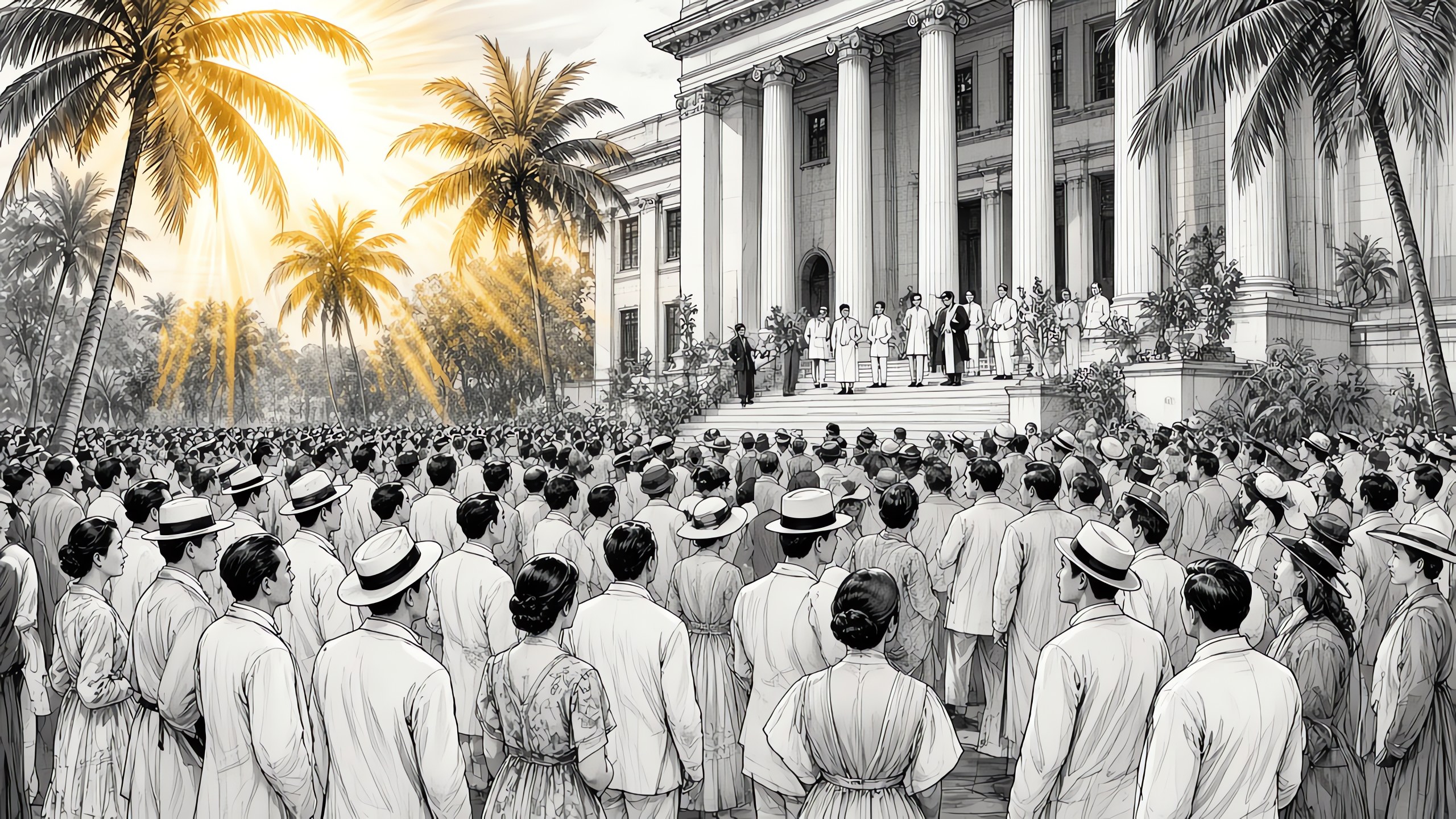
On November 14, 1935, President Franklin D. Roosevelt issued a proclamation establishing the Commonwealth of the Philippines. The next day, in Manila, Manuel L. Quezon was sworn in as the commonwealth’s first president. The new government gave the Philippines broad control of its own affairs and set a date for full independence.
The United States had taken the Philippines from Spain after the Spanish-American War of 1898. Filipino forces who had been fighting for independence then fought the Americans in the Philippine-American War, which lasted from 1899 until 1902 and continued in some regions for years. American rule followed, with a governor-general appointed from Washington.
Over the following decades, under both Republican and Democratic administrations in Washington, Filipinos gained a larger role in government, including an elected legislature, and Filipino leaders pressed for independence. Support in the United States grew for several reasons. Some Americans opposed colonial rule on principle. Farm groups wanted to stop duty-free imports of Philippine sugar and other goods, and labor groups wanted to limit immigration from the islands during the Great Depression.
Congress passed the Tydings-McDuffie Act in March 1934. It provided for a ten-year commonwealth period, after which the Philippines would become independent. Filipino delegates wrote a constitution, which voters approved in May 1935. In September 1935, Quezon, the long-time president of the Philippine Senate, was elected president, with Sergio Osmeña as vice president.
The commonwealth had its own president, legislature and courts. The United States kept control of foreign affairs and defense, and an American high commissioner represented Washington. U.S. Vice President John Nance Garner attended Quezon’s inauguration in Manila on November 15, held before a large crowd outside the Legislative Building.
The transition was interrupted by World War II. Japan attacked the Philippines in December 1941, hours after the attack on Pearl Harbor. American and Filipino troops held out on the Bataan Peninsula and Corregidor until 1942. Quezon’s government went into exile in the United States, where Quezon died in August 1944. Osmeña succeeded him and returned to the islands with American forces under General Douglas MacArthur that October.
Despite the destruction of the war, the original timetable held. On July 4, 1946, the United States recognized the independence of the Republic of the Philippines, with Manuel Roxas as its first president. The Philippines later moved its national independence day to June 12, the date of its 1898 declaration against Spain, but the commonwealth period launched in 1935 remained the bridge between colonial rule and independence.
We strive for accuracy. If you see something that doesn't look right, click here to contact us!
 Contact Us
Sponsored Content
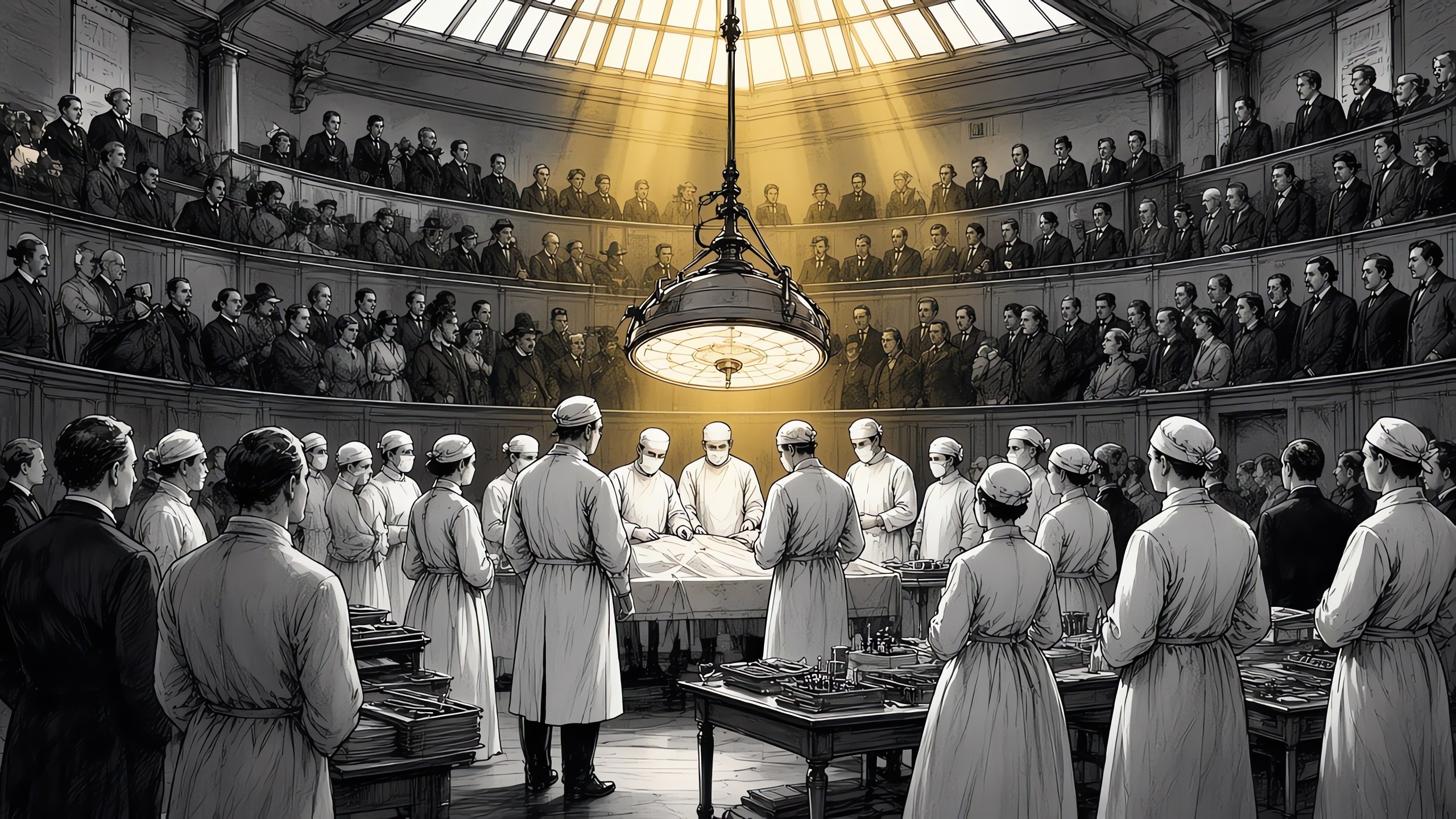
American College of Surgeons…
On November 25, 1912,…
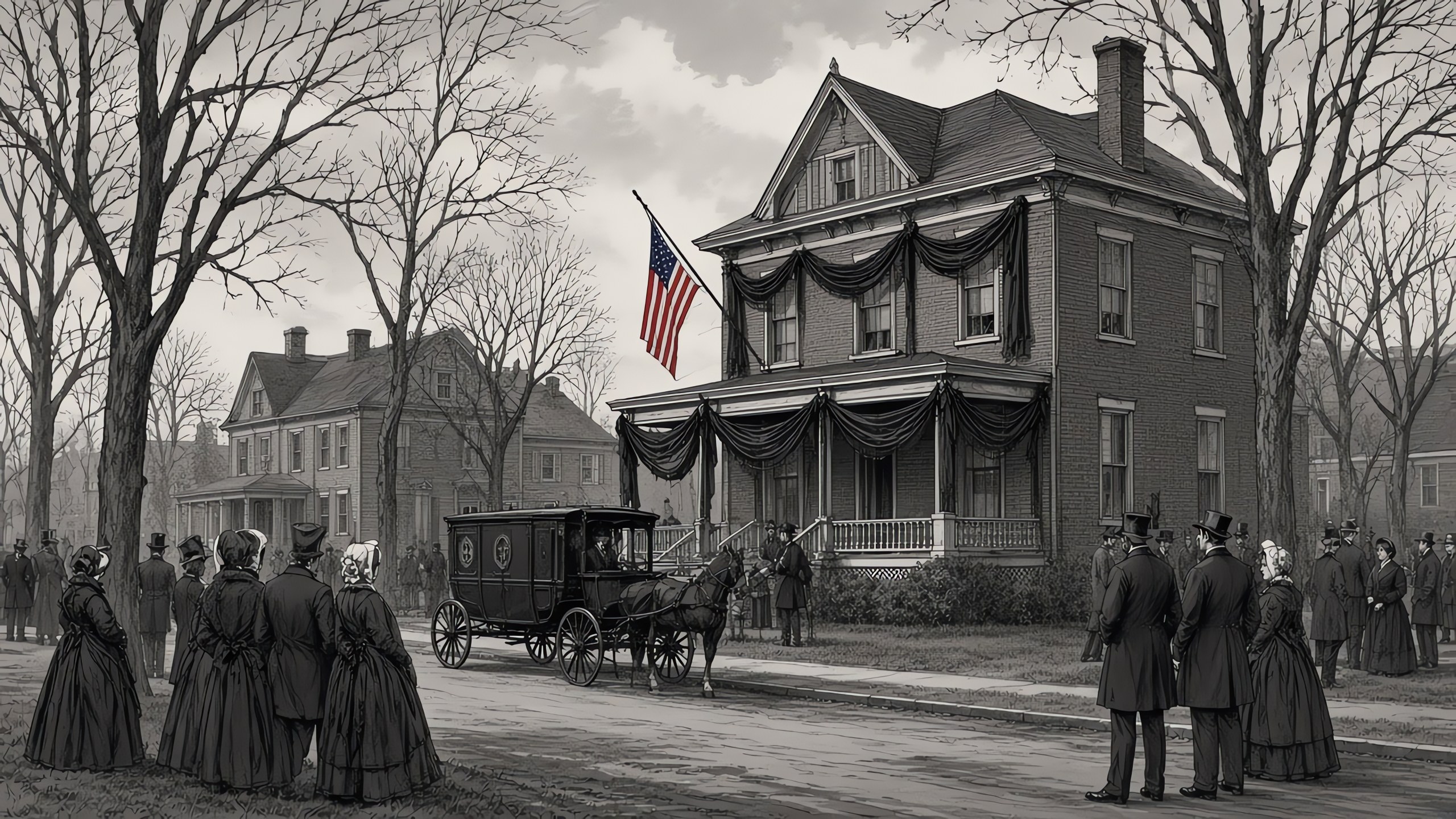
Thomas A Hendricks 21st…
Marking a pivotal moment…
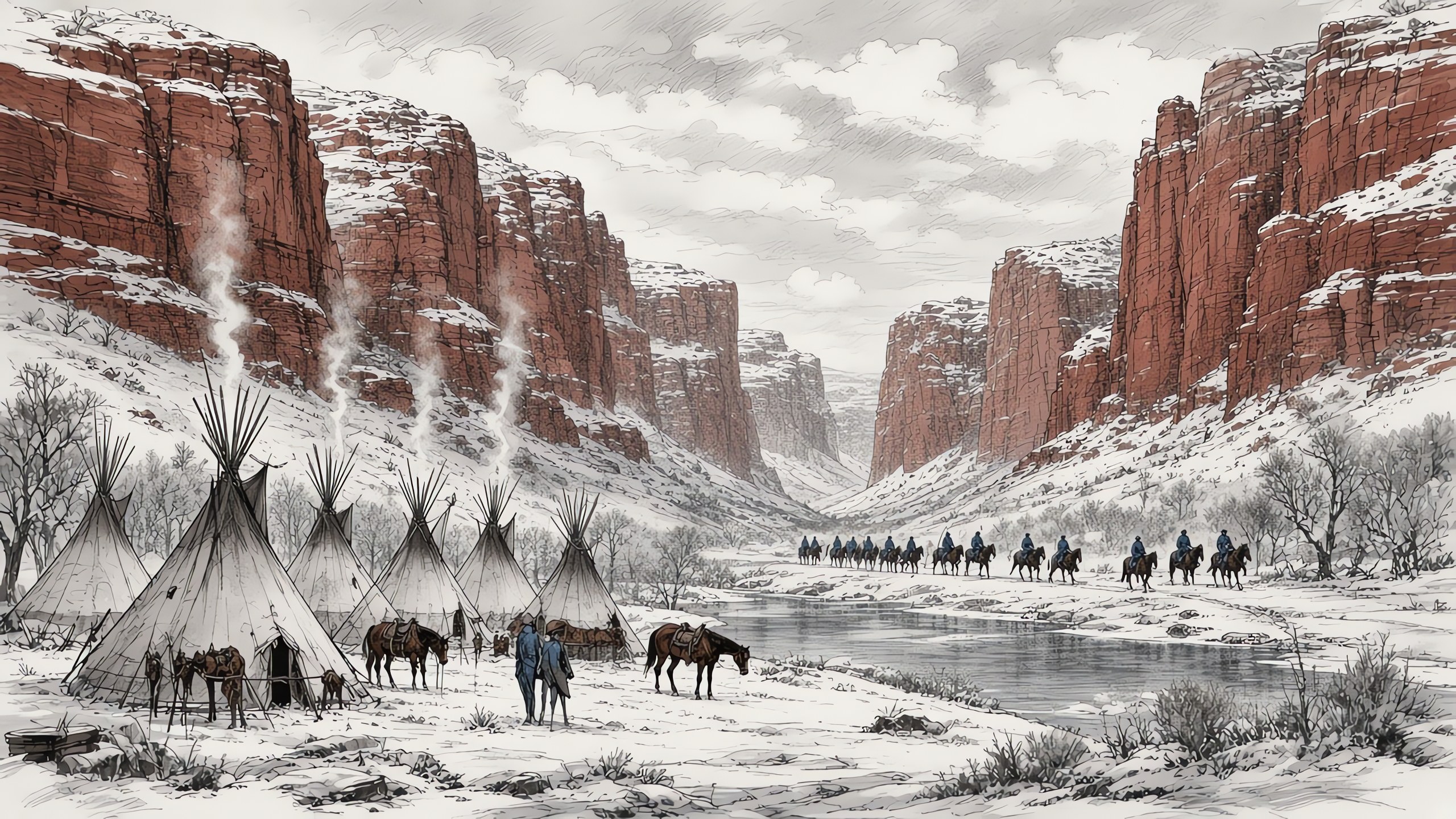
Indian Wars: United States…
Experience the historical event…
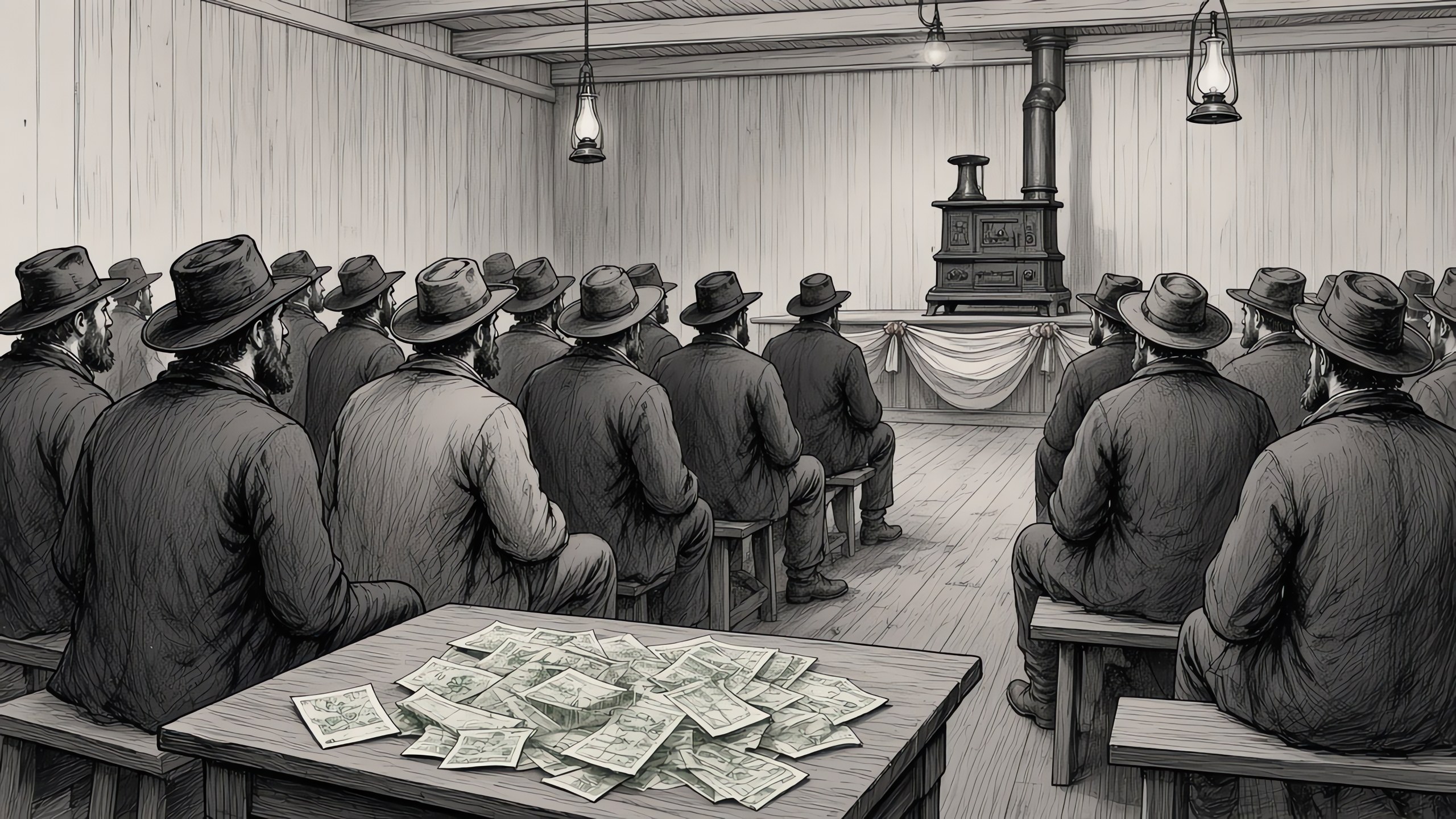
The United States Greenback…
Established on November 25,…
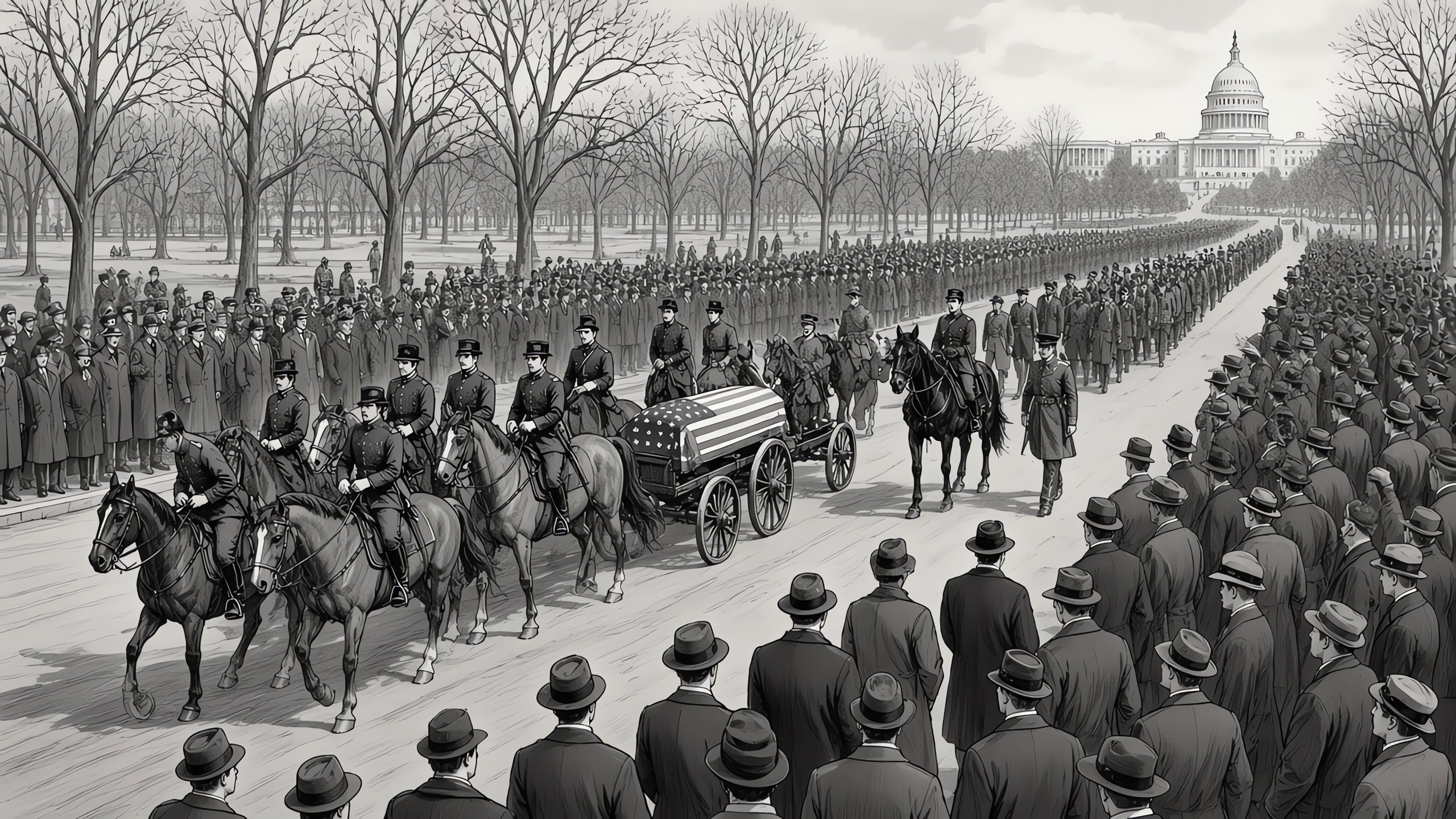
President John F. Kennedy…
On November 25, 1963,…
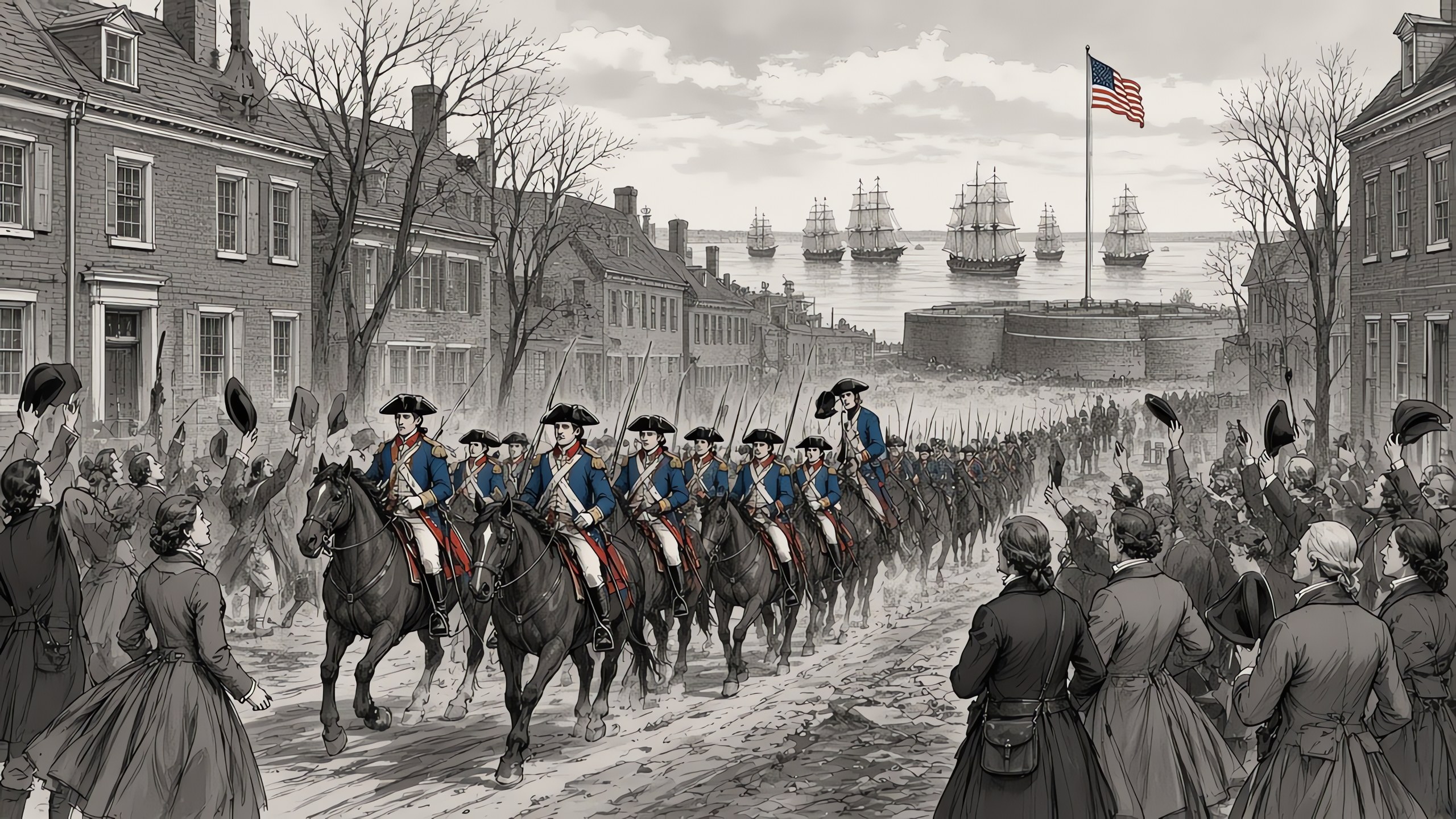
The last British troops…
On November 25, 1783,…
