
Flashback to October 26
American History

On March 5, 1979, a historic event took place in space exploration. Voyager 1, a space probe launched by NASA in 1977, made its closest approach to Jupiter, coming within a mere 172,000 miles of the gas giant. This encounter was a significant milestone in the Voyager mission, providing scientists with valuable data and insights about Jupiter and its moons.
The Voyager program, which included both Voyager 1 and Voyager 2, aimed to explore the outer planets of our solar system. It was a groundbreaking mission that expanded our understanding of the solar system and paved the way for future deep space exploration.
Voyager 1’s closest approach to Jupiter was a highly anticipated event. The spacecraft had been capturing stunning images of the planet and its intricate cloud patterns as it approached its destination. Scientists and space enthusiasts eagerly awaited the data that Voyager 1 would collect during its flyby.
As Voyager 1 entered the Jovian system, it began studying Jupiter’s atmosphere, magnetic field, and radiation belts. The spacecraft’s instruments allowed scientists to measure the planet’s temperature, atmospheric composition, and cloud structure, providing crucial information about Jupiter’s complex dynamics.
One of the most remarkable discoveries made by Voyager 1 was the presence of lightning on Jupiter. The spacecraft detected powerful electrical discharges, similar to thunderstorms on Earth, illuminating the gas giant’s atmosphere. This finding helped scientists better understand the turbulent nature of Jupiter’s weather systems.
Voyager 1 also captured detailed images of Jupiter’s four largest moons: Io, Europa, Ganymede, and Callisto. These moons are known as the Galilean moons, named after the Italian astronomer Galileo Galilei, who first observed them through a telescope in 1610. The close-up images revealed the diverse and geologically active surfaces of these moons, with volcanoes erupting on Io and an icy crust on Europa that hinted at the possibility of subsurface oceans.
The data gathered by Voyager 1 during its closest approach to Jupiter provided a wealth of information for scientists to study and analyze for years to come. It helped refine our understanding of the gas giant’s composition, structure, and weather patterns. The mission also revealed the complexity and diversity of Jupiter’s moons, sparking further interest in the potential for extraterrestrial life beyond Earth.
The success of the Voyager 1 mission paved the way for future space exploration missions, such as NASA’s Galileo spacecraft, which orbited Jupiter from 1995 to 2003 and continued to study the planet and its moons in greater detail.
Even though Voyager 1’s closest approach to Jupiter happened over four decades ago, the data gathered by this pioneering mission continues to be relevant and valuable to scientists. It illustrates the power of human curiosity and perseverance in unraveling the mysteries of the universe.
Voyager 1’s closest approach to Jupiter on March 5, 1979, was a significant event in space exploration. The valuable data and images captured by the spacecraft provided important insights into the composition, weather, and moons of the gas giant. This milestone in the Voyager mission marked a major step forward in our understanding of the outer planets and laid the groundwork for future deep space exploration.
We strive for accuracy. If you see something that doesn't look right, click here to contact us!
 Contact Us
Sponsored Content
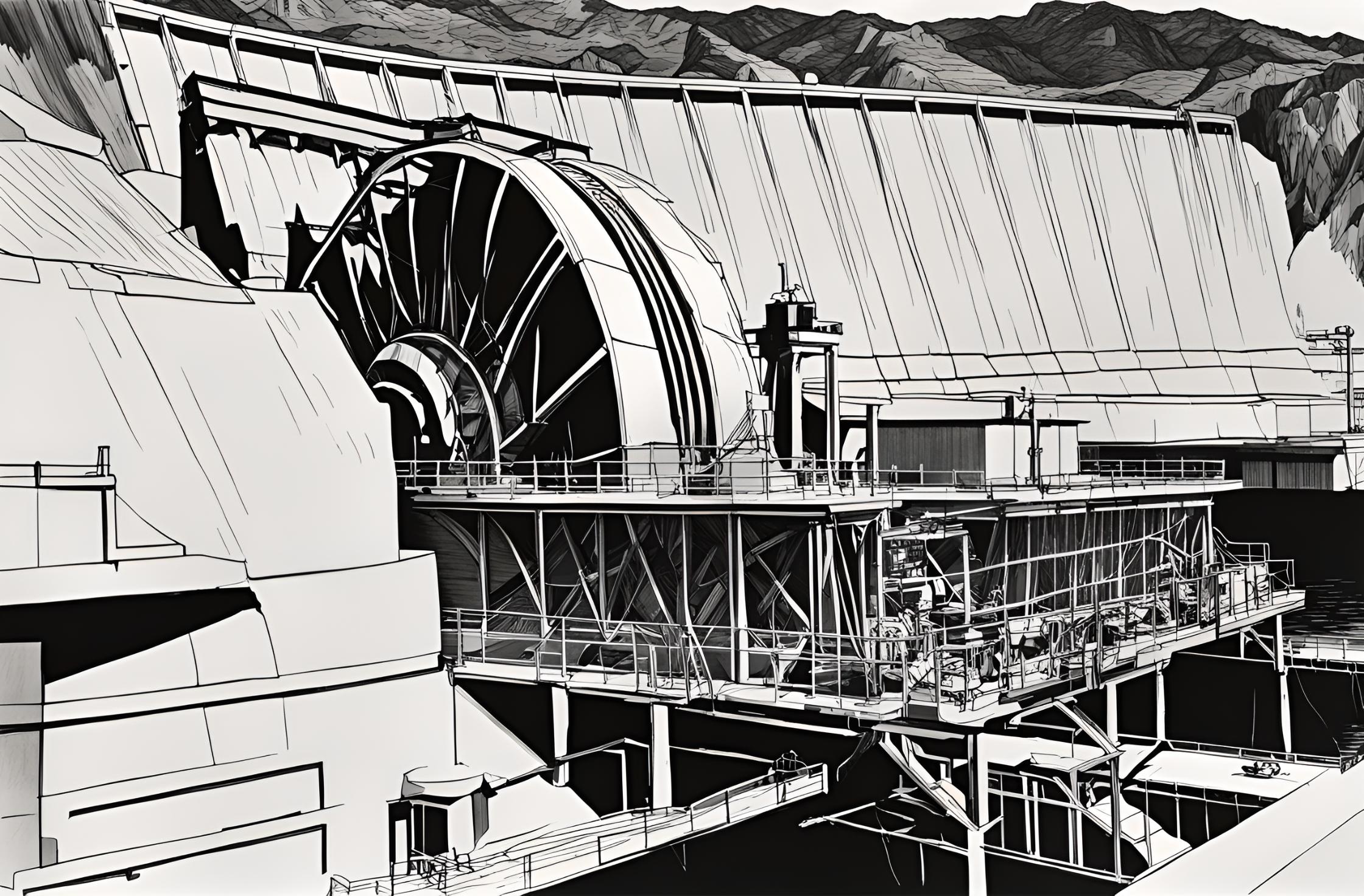
The first electric generator…
On October 26, 1936,…
Henry Kissinger declares “Peace…
"History was made on…
Dr Clifford R Wharton…
Honoring an historic milestone,…
