
Flashback to August 24
American History
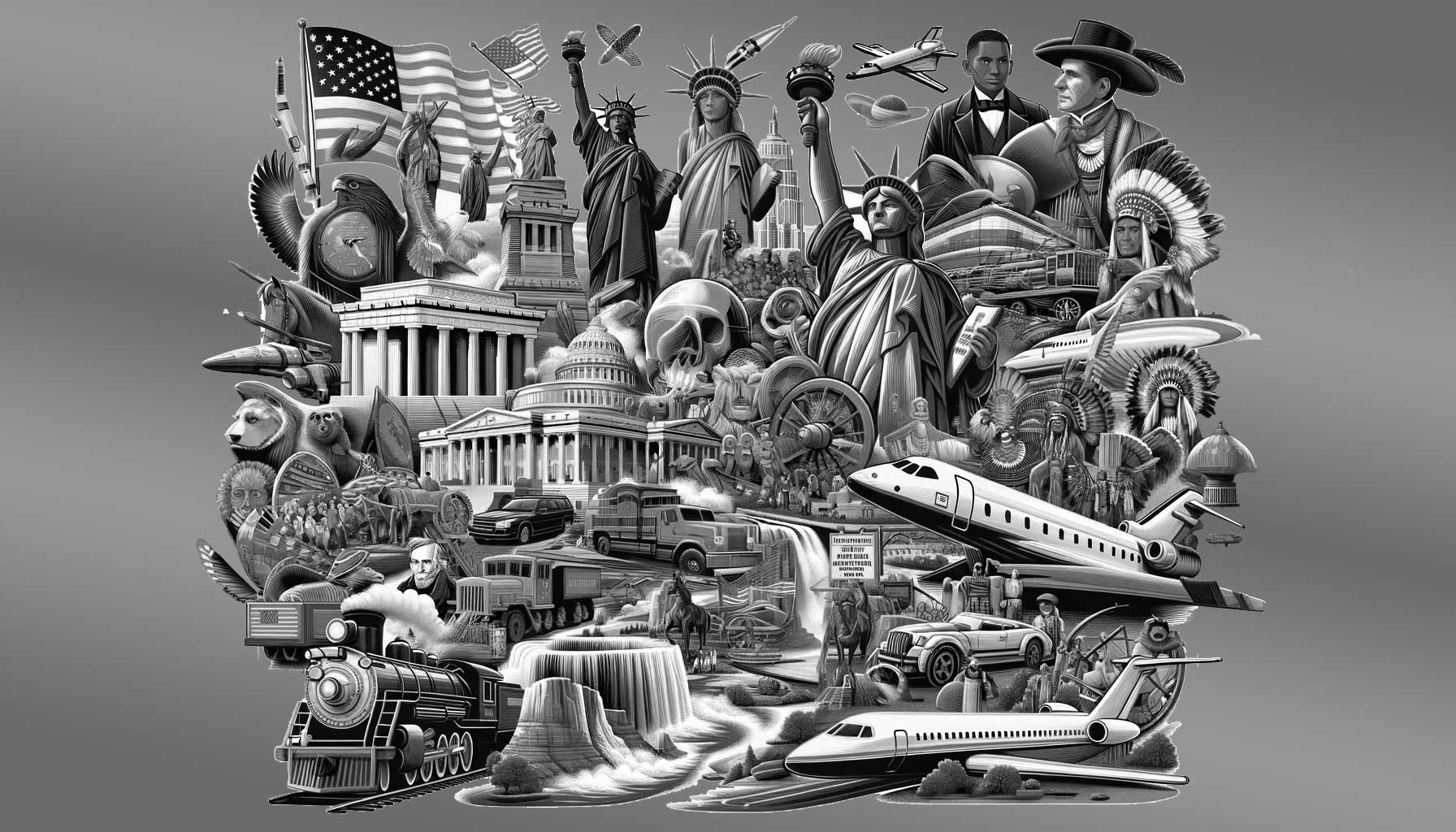
On October 31, 1913, a significant event in the history of American transportation occurred with the dedication of the Lincoln Highway, the first coast-to-coast automobile road stretching across the United States. This marked a watershed moment, one that changed the face of travel and transportation in the country. This article looks back at this momentous occasion and reflects on the riveting journey of the Lincoln Highway.
In the early 1910s, the concept of an automobile road that crossed the country from coast to coast was nothing short of revolutionary. At the dawn of an era characterized by pioneering inventions and relentless progress, the Lincoln Highway emerged as an exciting symbol of modernity and innovation.
Named after the iconic US President Abraham Lincoln, the Lincoln Highway spanned over 3,000 miles, connecting Times Square in New York City to Lincoln Park in San Francisco. The route covered thirteen states: New York, New Jersey, Pennsylvania, Ohio, Indiana, Illinois, Iowa, Nebraska, Colorado, Wyoming, Utah, Nevada, and California.
In 1913, when the Lincoln Highway was dedicated, roads weren’t what we see today. Most of them were unpaved, of dirt, gravel, or brick. Horse-drawn carriages were the predominant means of transport. Cars were relatively expensive, and automobile travel was considered an adventurous novelty. Despite these challenges, the visionaries behind the Lincoln Highway saw what it could become – a testament to human achievement and a drive for new frontiers.
The path for the Lincoln Highway was strategically chosen, passing through numerous cities and towns. This would help stimulate commerce and local economies, as travelers would require lodging, meals, gas, and automobile repairs. On a broader level, the Lincoln Highway was envisioned as a means to foster national unity, linking different regions of the country.
The creation and success of the Lincoln Highway can largely be credited to the Lincoln Highway Association, founded by industry magnates like Carl G. Fisher, Frank Seiberling, and Henry B. Joy. Their goal was not only to create a traversable route but also to campaign for governmental support for road infrastructure, at a time when there were no federal funds for highways.
Building the Lincoln Highway was a substantial financial challenge. Funds were raised through private donations and state-level contributions as no federal funding was available at this initial stage. It was a tremendous public-private project, where private industries and individual citizens showed their willingness to campaign for and contribute to improving America’s infrastructure.
The dedication of the Lincoln Highway marked a turning point in American history. It spurred the development of future highways and contributed to the birth of the American road trip culture. It also played a crucial role in promoting automobile travel, resulting in a boom in the car industry in the United States.
Over the years, the Lincoln Highway has seen countless improvements, adaptations, and changes. It’s no longer the primary transcontinental route, as the introduction of the interstate highway system in the 1950s led to new, faster routes. Yet, even today, the Lincoln Highway holds an iconic status.
Following the historic route provides travelers with a unique journey into America’s past, offering a snapshot of life in the early 20th century. Many parts of the original Lincoln Highway remain to this day, marked with the distinctive signs and offering glimpses of vintage motels, trading posts, bridges, and other historical features symbolizing the highway’s legacy.
On October 31, 1913, the Lincoln Highway was an embodiment of innovation and progress. Today, it serves as a reminder of the country’s rich history and evolution, marking the distance we have traveled and the many miles that we have yet to explore. In essence, that’s what the Lincoln Highway stands for – an unwavering spirit of exploration, unity, and relentless progress.
We strive for accuracy. If you see something that doesn't look right, click here to contact us!
 Contact Us
Sponsored Content
The month-long “cash for…
The "Cash for Clunkers"…
Thomas Edison patents the…
Celebrating the milestone from…
US passes Anti-gag law,…
"Commemorating the historic moment…
The Old Philadelphia Arena…
On August 24, 1983,…
