
Flashback to June 25
World History

2004
War in Iraq: More than 10,000 US troops and a small number of Iraqi army units participate in a siege on the insurgent stronghold of Fallujah
Read moreThe military operation in Fallujah is a crucial event in recent history, marking a pivotal moment in the War in Iraq. On November 8, 2004, more than 10,000 U.S. troops, supported by a handful of units from the Iraqi army, initiated a siege on the once peaceful city of Fallujah, converting it into an insurgent stronghold. This first-string military offensive was later recognized as one of the bloodiest battles of the Iraq war.
Amid the complexities of the Iraq war, the Fallujah offensive represented an aggressive approach taken by Coalition forces to suppress the insurgency and stabilize a region drenched in conflict. The assault on Fallujah, which was a hotbed for insurgents following the controversial dissolution of the Iraqi army, was necessitated by the escalating violence and increasing foreign fighters infiltration.
Strategically located on the western periphery of Baghdad, Fallujah’s control was crucial for overall stability in Iraq. The stage was set for an intense showdown between the insurgency and Coalition forces. The U.S, with aid from allies, undertook a calculated operation to drive out insurgents containing a well-disposed mix of guerrilla fighters, foreign terrorists, and former soldiers of Saddam Hussein’s regime.
The operations saw extensive use of state-of-the-art warfare tools by the U.S. troops. Special Forces, main battle tanks, close air support, artillery, and snipers were tactically utilized to gain control over this insurgent stronghold. Aerial surveillance was employed exhaustively to keep a check on the progress of the operation while minimizing civilian causalities.
The highly trained U.S. troops worked in tandem with small yet effective Iraqi army units. The inclusivity of the Iraqi force in the battle was a strategic move. It was not only to capitalize on their local knowledge and understanding of complex urban warfare terrain but also to exhibit the Coalition’s commitment to an Iraq-led future, thereby fostering local trust.
Amid the siege, there was an intense focus on safeguarding the non-combatants. Despite the unpredictability of urban warfare, the escaping routes were kept open for civilians throughout the operation. The commitment towards minimizing civilian casualties reflects the ethical dimension of the military strategy.
After a week-long battle, Coalition forces successfully seized control of the city from the insurgents. However, the post-battle landscape presented a daunting panorama of damaged buildings, deserted streets, and desolation, underlining the high price of this victory.
Observably, the Fallujah battle remains one of the defining moments of the War in Iraq, providing valuable insights into urban warfare. Considered from a prism of the U.S’s Iraq policy, the offensive was a resolute step towards fighting insurgency and laying the groundwork for a future democratic Iraq. The contribution of a small number of Iraqi army units, albeit vital, reflects the intention for Iraq’s autonomous security arrangements in the future.
Another significant aspect emerging from this military confrontation is the role of modern ground troops in urban war zones. The Fallujah operation illustrates the transition of traditional warfare to contemporary urban warfare where state-of-the-art tools and techniques are indispensable.
the siege on Fallujah, involving more than 10,000 U.S. troops and a small number of Iraqi army units in November 2004, was no ordinary event. It was a turning point in the War in Iraq, depicting the determination of the U.S. and allied forces to counter insurgency and bring peace and stability to a war-torn region. The echoes of this historic battle continue to resonate, shaping the norms and narratives of global military strategies.
We strive for accuracy. If you see something that doesn't look right, click here to contact us!
 Contact Us
Sponsored Content
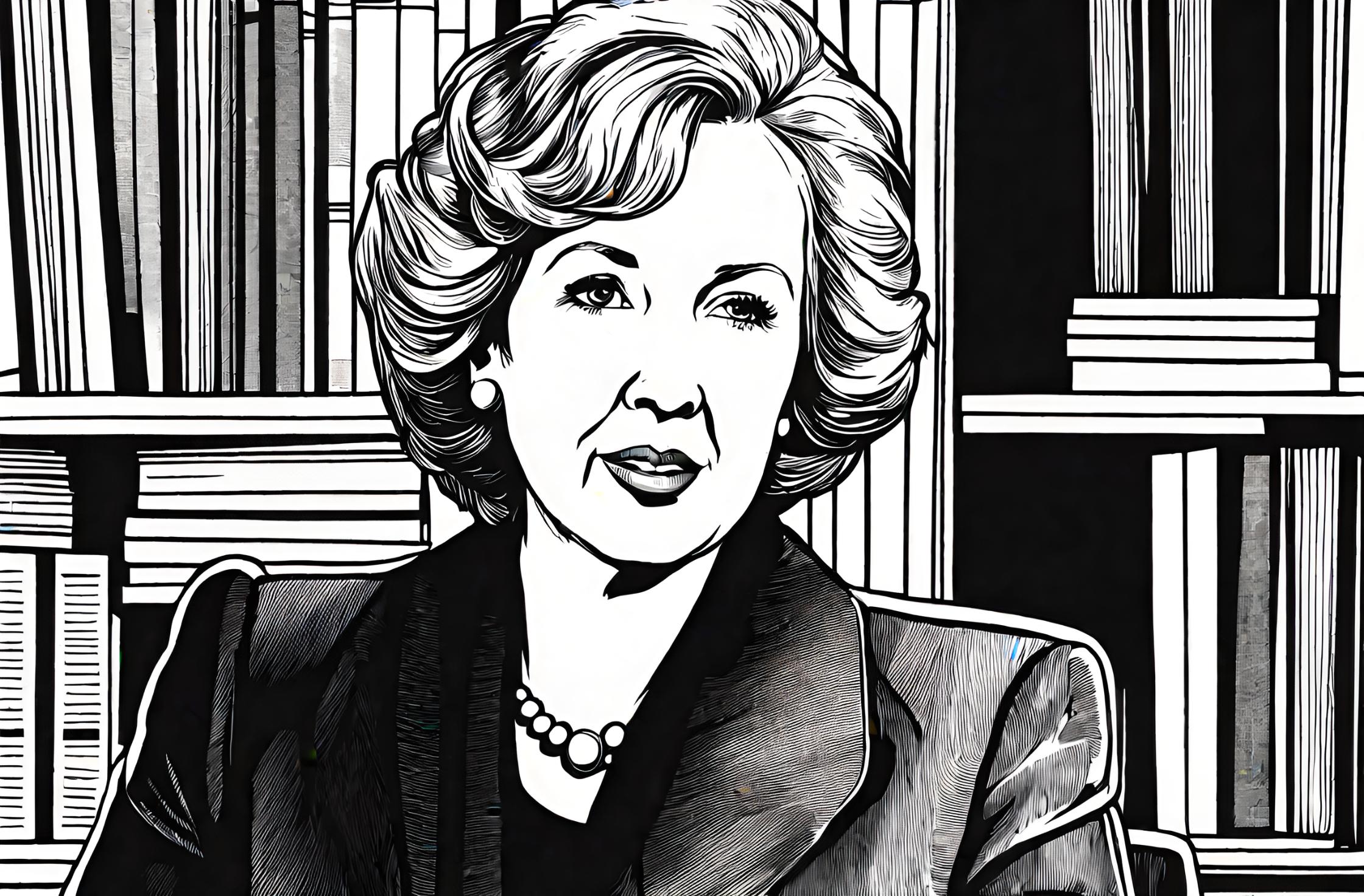
Kim Campbell becomes the…
On June 25, 1993,…
Korean conflict begins; North…
On June 25, 1950,…
Irish police foil an…
On 6/25/1985, Irish police…
Litas currency is introduced…
On 6/25/1993, Lithuania introduced…
Simon de Montfort a…
On 6/25/1212, Simon de…
E F Helin and…
On June 25, 1979,…
