
Flashback to September 21
World History

On the 31st of December 1977, a remarkable event occurred that drew global attention, involving a daring escape from South Africa by Donald Woods, a reputable white editor who was banned by the South African government. Woods was infamously known to strongly disagree and vocalize his opposition against the apartheid regime in South Africa during that era, earning himself a government-imposed ban on practicing journalism. This event signified his brave stand against tyranny and the lengths he was willing to go for freedom of speech.
Donald Woods’ escape from South Africa undeniably plays a significant role in the history of journalism and the country’s long struggle against apartheid. Notably, this event incited global outcry against South Africa’s oppressive regime at the time and brought to light the grievous injustices that were taking place in the country – a mighty impact from a solitary act of dissent.
As a prominent editor of the Daily Dispatch, a South African newspaper, Woods used his platform to challenge the prevailing apartheid regime, despite the color of his skin and the backlash he faced. However, this defiance led to his political banning in 1977. This pronouncement prohibited him from writing or speaking publicly, effectively triggering the need for his daring escape plan.
Donald Woods’ audacious exit from South Africa was not just a flight for personal freedom but a symbol of resistance against systemic brutality. Fascinatingly, he decided to flee the nation on the final day of 1977, providing an intriguing and vital spectacle that drew global attention to the critical issues of the period. Woods, barging through the restrictions imposed on him, managed to capture the gaze of the international community – specifically drawing notice to apartheid South Africa’s suffocating hold on its citizens.
The circumstances that led to Woods fleeing South Africa and his journey thereafter have been sources of inspiration for many. His story exemplifies the power of journalism and media in shaping public opinion and the possible impacts that they can have on society as a whole. Woods’s audacity in fighting against the oppressive regime, despite his ban, underlines his commitment to freedom of speech and his refusal to bow down to the strong-arming tactics of the apartheid government.
His escape also underscored the need for international intervention in the South African situation, thereby providing an impetus for increased international pressure on the apartheid government. Subsequently, his actions served to invigorate movements within South Africa itself. Therefore, the implications of his escape went far beyond just his personal fight for freedom but served as a rallying point for the greater struggle against apartheid.
Moreover, Woods’ journey, following his escape, is a testament to his grit and determination to continue his fight even outside of South Africa. Despite fleeing, he continued to actively campaign against apartheid, contribute to several international dailies, and wrote books recounting his experience. His story from banned white editor to iconic anti-apartheid figure serves as a profound narrative of journalistic resistance against oppressive regimes.
The significance of Donald Woods’ escape from South Africa resonates powerfully to this day. His flight marked a crucial moment in South African history and the continual fight for freedom of speech globally. It highlights the role media and journalists can play in resisting and exposing oppressive regimes, and the importance of international solidarity in the face of such injustice. Though decades have passed, Donald Woods’ story remains a compelling reminder of the need for ceaseless vigilance and courage against systemic oppression. It is a testament to the old adage, ‘the pen is mightier than the sword.’
To reiterate, Woods’s escape was more than just a personal act of evasion. It was a symbolic rally against the apartheid regime, intending to underscore the need for international attention and intervention. This event redefined the state’s relationship with its citizens and the international community, motivating global awareness and action against the atrocities of apartheid. Today, his brave act remains a significant chapter, resonating loud and clear in the annals of journalism and human rights advocacy.
We strive for accuracy. If you see something that doesn't look right, click here to contact us!
 Contact Us
Sponsored Content
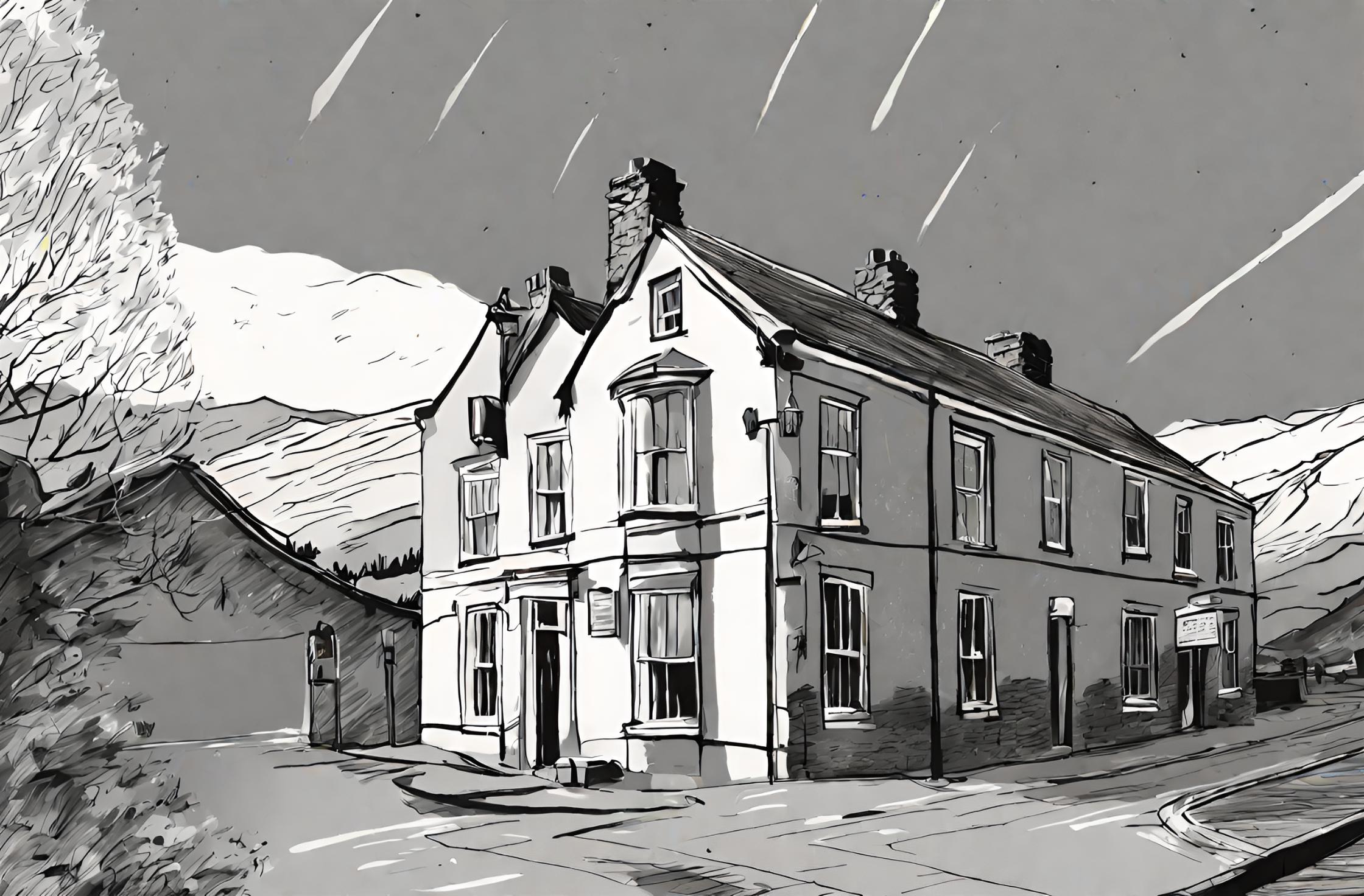
In Beddgelert, Wales, a…
On September 21, 1949,…
Nearly 13,000 children in…
On September 21, 2008,…
McAfee.com and F-Secure researchers…
On September 21, 2000,…
President Warren G Harding…
On September 21, 1922,…
Deep Space 1 flies…
"At the groundbreaking event…
Belize is granted full…
On September 21, 1981,…
