Flashback to November 26
Entertainment History
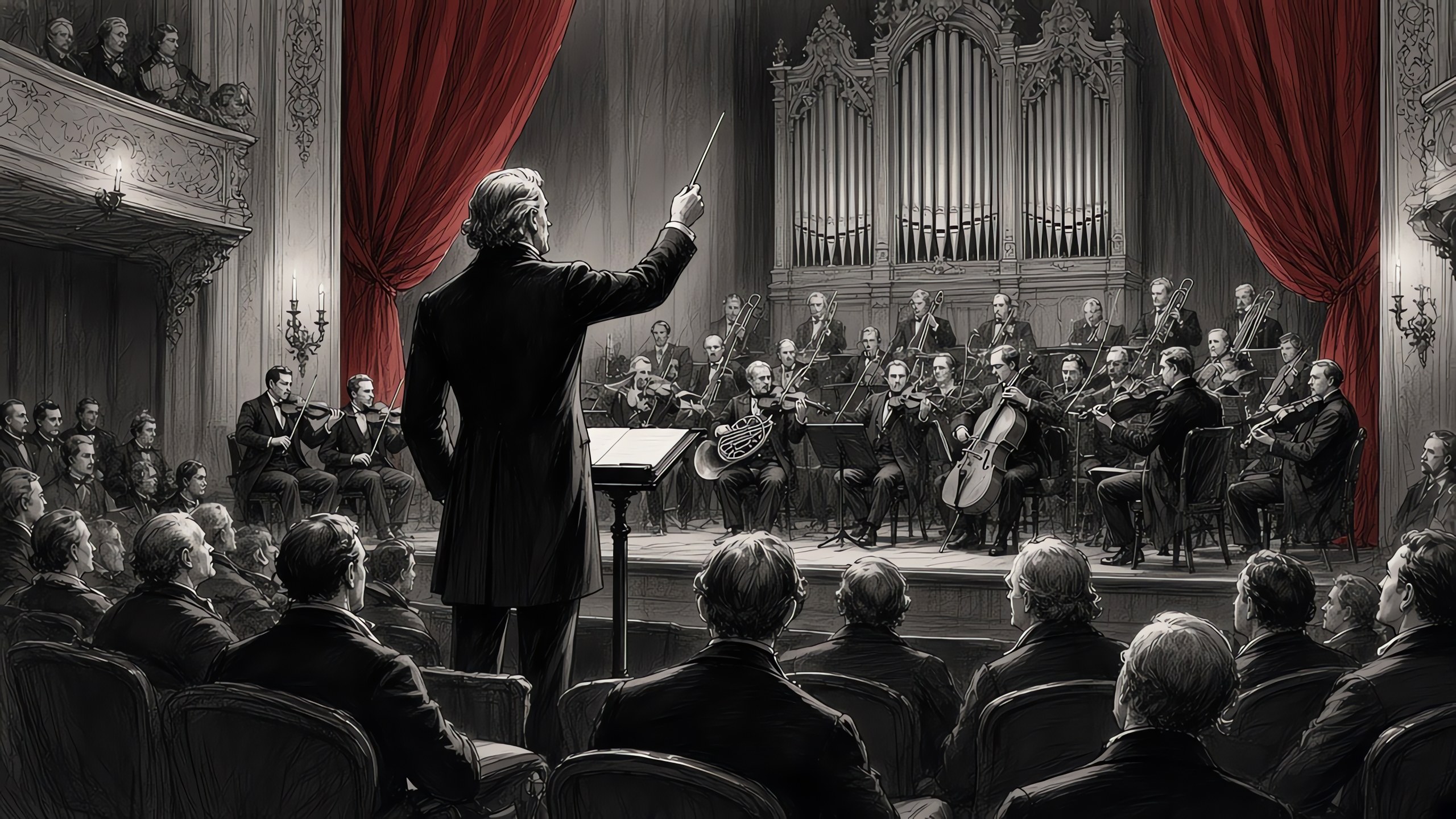
On December 29, 1857, Franz Liszt stood before the court orchestra in Weimar and conducted the first performance of Hunnenschlacht, or The Battle of the Huns. The new symphonic poem turned a famous painting into music and became one of the most vivid of Liszt’s orchestral works.
By the 1850s Liszt had given up his career as a touring piano virtuoso, the most celebrated in Europe, and settled in Weimar as music director to the grand ducal court. There he championed new music, staged works by Richard Wagner and Hector Berlioz, and wrote a series of orchestral pieces he called symphonic poems, a term he coined.
Hunnenschlacht was inspired by a painting by the German artist Wilhelm von Kaulbach. It shows the battle of the Catalaunian Plains in the year 451, when the Huns under Attila fought a Roman and Visigothic army in Gaul. According to legend, the fighting was so fierce that the spirits of the fallen warriors rose from the field and continued the battle in the sky.
Liszt’s music follows the same idea. It opens in darkness, with muted strings that he wanted to sound like ghosts. His instruction to conductors asked that the whole color of the opening be kept very dark, building an atmosphere of dread before the battle breaks out.
The fighting erupts with a battle cry in the horns and a fierce main theme, colored by the so-called gypsy scale that Liszt often used in his Hungarian music. Against the din, the trombones introduce the ancient plainchant hymn “Crux fidelis,” representing the Christian forces. Liszt described the section as two opposing streams of light in which the Huns and the Cross are moving.
As the music goes on, the chant takes over. It is first heard quietly in the strings and then grows in strength until an organ and offstage brass join the orchestra for a triumphant close, depicting the victory of the Cross over the invaders.
The premiere came at a difficult time for Liszt. His bold new works and his support for Wagner divided critics, and the conservative audiences of Weimar were not always sympathetic. A year later the hostile reception of an opera he had promoted led him to give up his post as music director.
Hunnenschlacht has never been as popular as Les Préludes, Liszt’s best-known symphonic poem, but it remains a striking example of his ambition to tell stories and paint pictures with an orchestra.
The symphonic poem itself proved to be one of Liszt’s most important legacies. Composers such as Bedřich Smetana, Camille Saint-Saëns and Richard Strauss took up the form, and its roots can be traced to the experiments he conducted in Weimar in the 1850s.
We strive for accuracy. If you see something that doesn't look right, click here to contact us!
 Contact Us
Sponsored Content
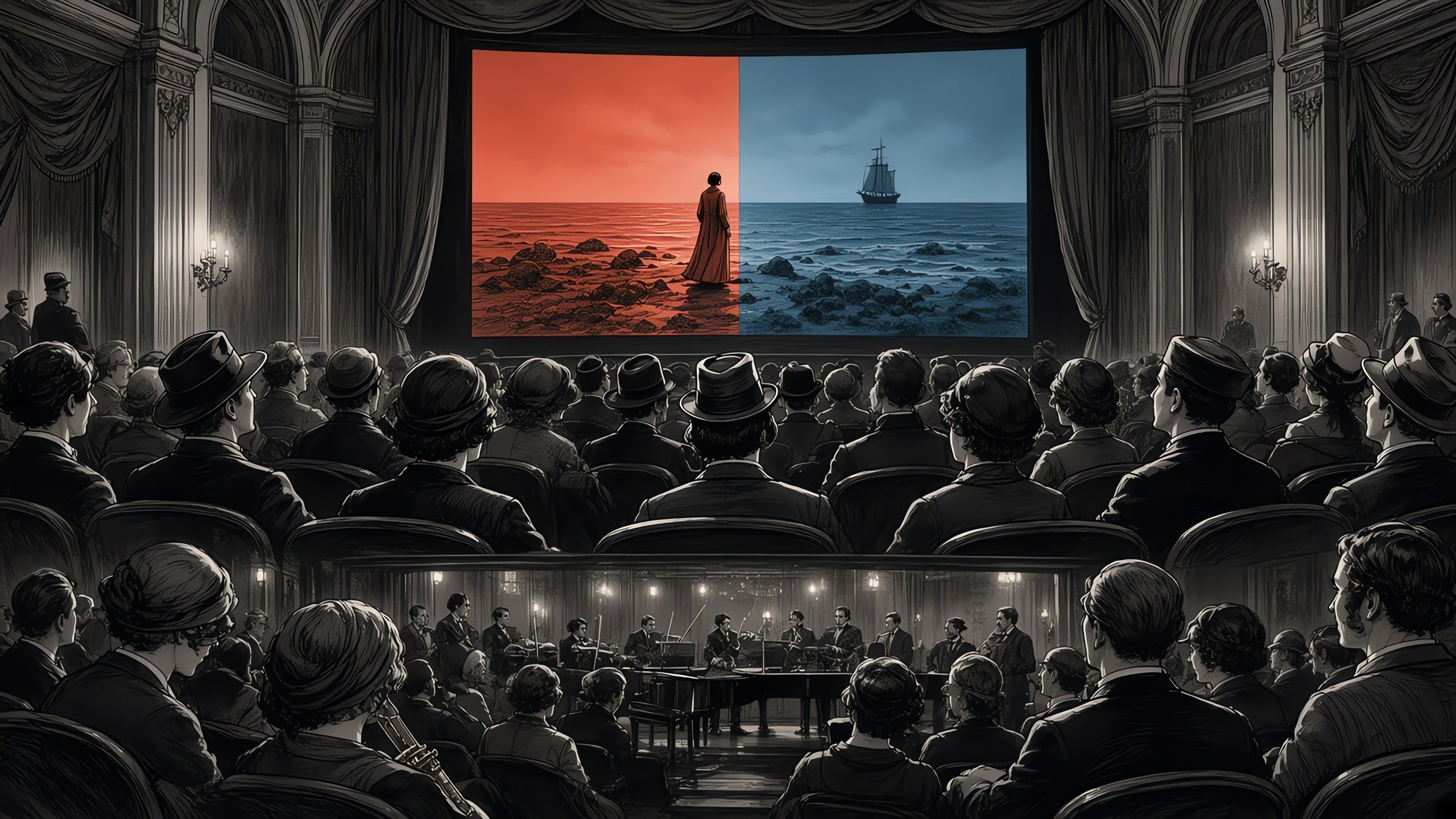
Toll of the Sea…
Witness film history on…

The Sex Pistols release…
On November 26, 1976,…
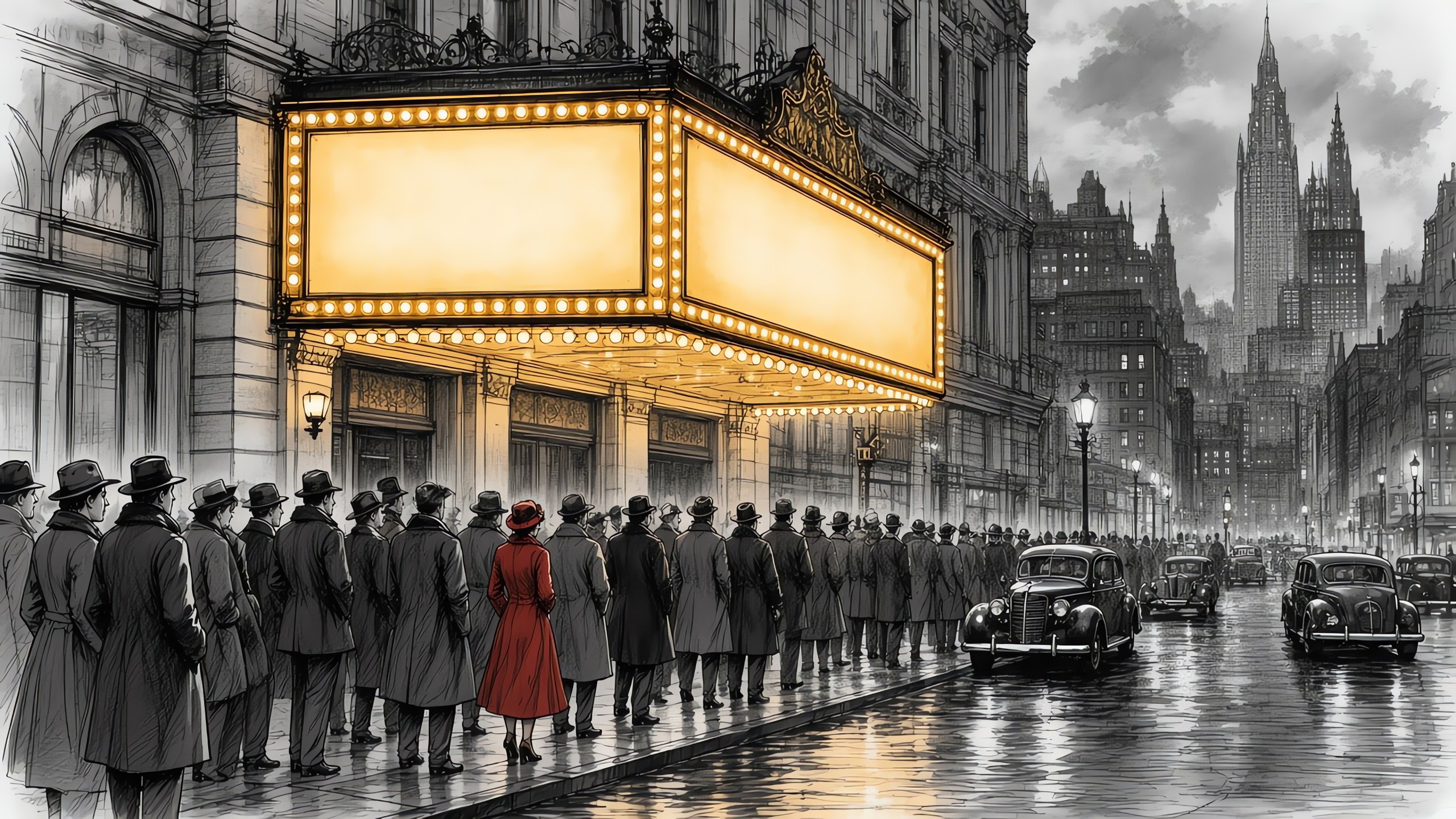
Casablanca has its world…
On November 26, 1942,…

The New Yorker publishes…
Published on 26th November…