
Flashback to November 25
American History
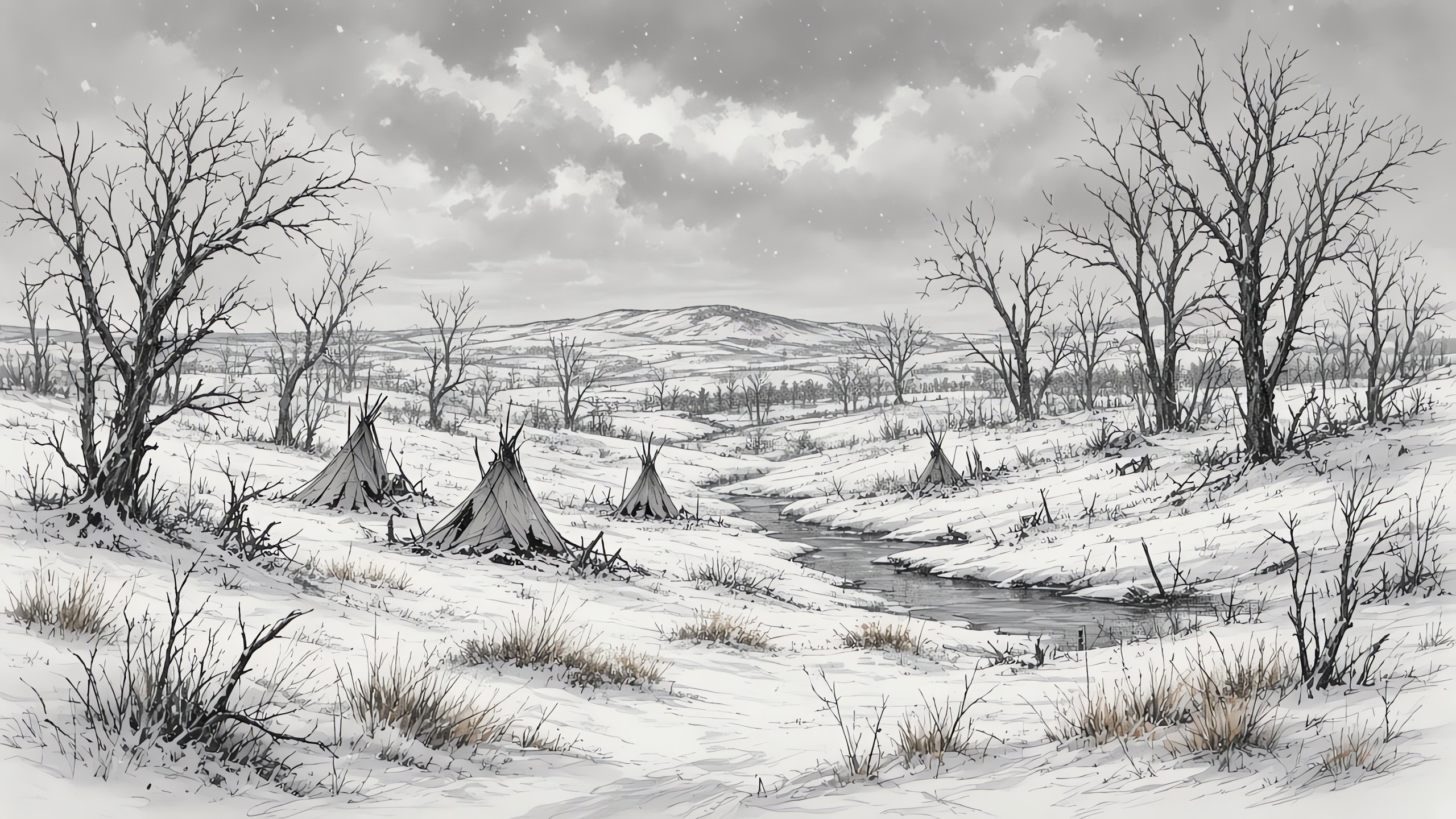
On December 29, 1890, Big Foot, a chief of the Miniconjou band of the Lakota Sioux, was killed at Wounded Knee Creek on the Pine Ridge Reservation in South Dakota. He died along with an estimated 250 to 300 of his people, many of them women and children, when soldiers of the U.S. 7th Cavalry opened fire as they were being disarmed. The massacre is often seen as the end of the armed conflict between the U.S. government and the Plains peoples.
Big Foot, whose Lakota name is usually translated as Spotted Elk, was a respected leader known as a peacemaker. By 1890 the Lakota had been confined to reservations, the buffalo herds on which they depended had been destroyed, and government rations had been cut. Many Lakota turned to the Ghost Dance, a religious movement that promised the return of the old way of life.
Government officials viewed the Ghost Dance with alarm, and troops were sent to the reservations. On December 15, 1890, the famous Hunkpapa leader Sitting Bull was killed by tribal police during an attempt to arrest him. Some of his followers fled to join Big Foot’s band.
Fearing for their safety, Big Foot led his people south toward Pine Ridge, where he hoped the chief Red Cloud could help keep the peace. He was seriously ill with pneumonia and traveled in a wagon. On December 28 the band was intercepted by the 7th Cavalry and escorted to Wounded Knee Creek, where they camped surrounded by soldiers and artillery.
On the morning of December 29, Colonel James Forsyth ordered the Lakota to give up their weapons. During the search, a struggle broke out over a rifle, and a shot was fired. The soldiers began firing at close range, and the Hotchkiss guns on the hill above the camp opened fire on the tipis. Lakota men, women and children fleeing along a ravine were pursued and killed, some of them miles from the camp.
Big Foot was among the first to die. A famous photograph taken days later shows his frozen body lying in the snow. Twenty-five soldiers were also killed, many of them probably struck by their own side’s fire.
After a blizzard, the Lakota dead were buried in a mass grave on the hill where the guns had stood. The Army later awarded 20 Medals of Honor to soldiers who took part, a decision that Native American groups have long asked Congress to reverse.
Wounded Knee became a powerful symbol of injustice. In 1973 members of the American Indian Movement occupied the site for 71 days, and each December Lakota riders retrace Big Foot’s route to the creek in memory of those who died.
We strive for accuracy. If you see something that doesn't look right, click here to contact us!
 Contact Us
Sponsored Content
American College of Surgeons…
On November 25, 1912,…
Thomas A Hendricks 21st…
Marking a pivotal moment…
Indian Wars: United States…
Experience the historical event…
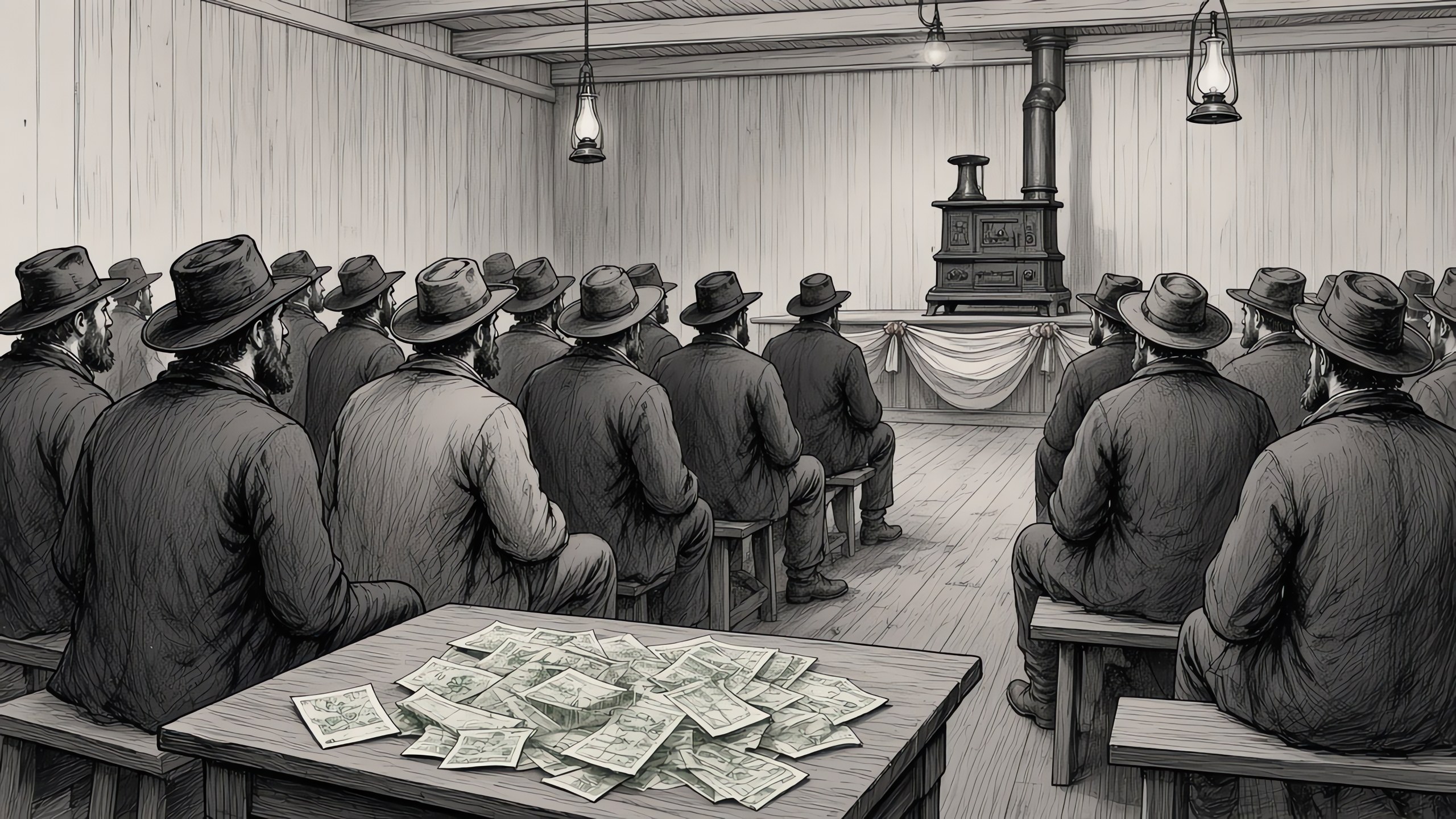
The United States Greenback…
Established on November 25,…
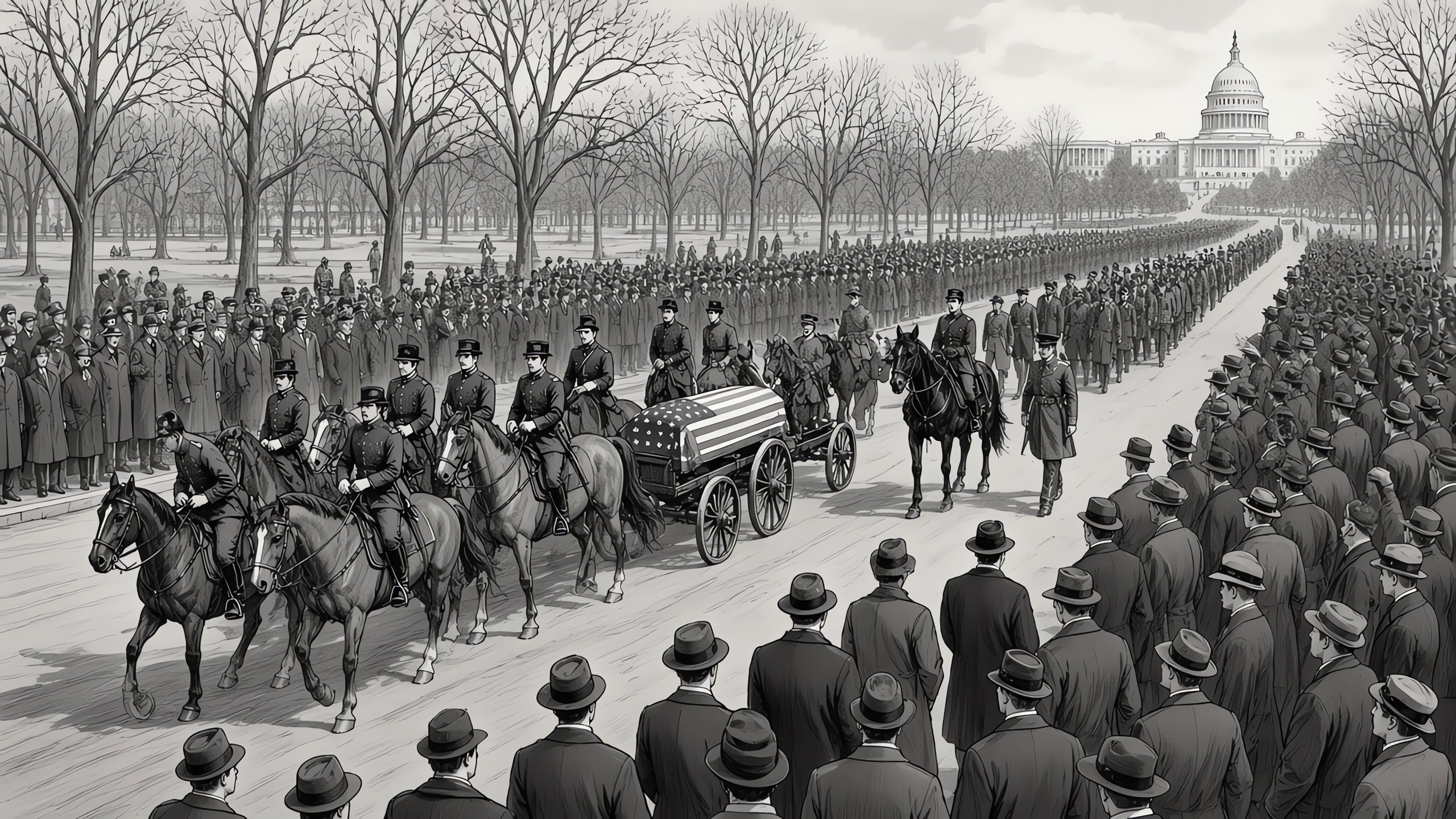
President John F. Kennedy…
On November 25, 1963,…
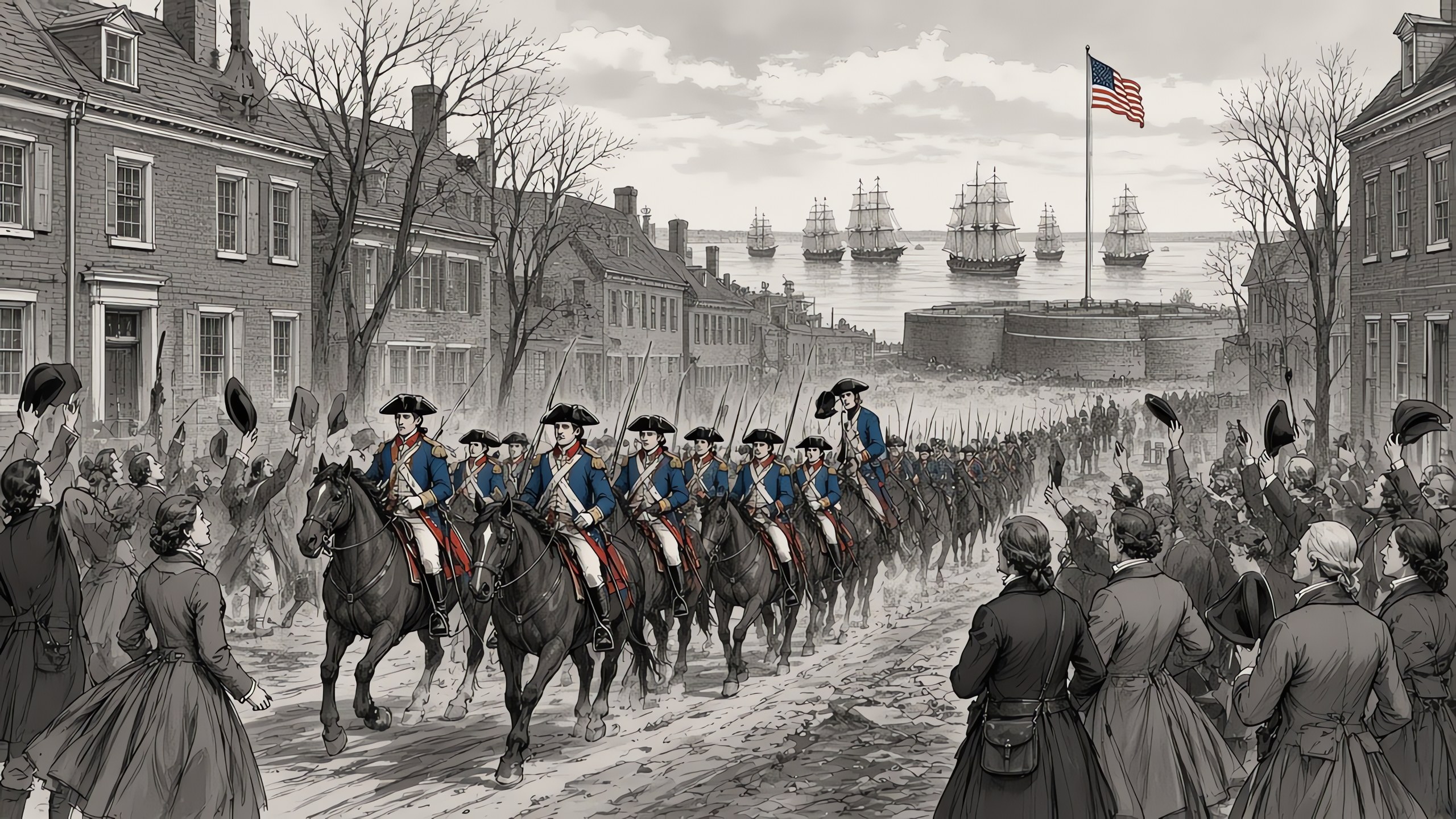
The last British troops…
On November 25, 1783,…
